Over 60% of consumers globally report feeling overwhelmed by the sheer volume of fashion content on social media, making it harder, not easier, to define their personal style. We scroll endlessly, bombarded by sponsored posts and fleeting trends. The quest for authentic fashion inspiration often ends in confusion, not clarity. Finding genuine, inspiring voices amidst the noise remains a significant challenge. This article cuts through that noise, guiding you to the most impactful fashion influencers on Instagram.
The Endless Scroll: Finding Your Aesthetic Amidst Digital Clutter
The digital age promised infinite inspiration. Instead, many find themselves drowning in a sea of perfectly curated, often indistinguishable, images. Every other post seems to feature the latest ‘it’ bag or a fleeting micro-trend. This constant influx leads to decision paralysis, making it difficult to discern what truly resonates with your personal aesthetic. It’s a paradox: more content, less clarity.
The problem isn’t a lack of options; it’s the lack of filters. Algorithms, while powerful, often prioritize engagement over genuine relevance to your evolving style. This creates echo chambers where similar looks dominate, pushing truly unique voices to the margins. You might follow a dozen fashion accounts, yet feel no closer to understanding your own sartorial identity. This constant visual bombardment often leads to impulse purchases driven by perceived necessity rather than genuine desire or fit within a cohesive wardrobe.
The Paradox of Choice in Fashion Content
With millions of accounts tagged with #fashion, the sheer scale of content is staggering. This volume, combined with the rapid cycle of trends, makes it tough to form a stable personal style. One day it’s cottagecore, the next it’s hyper-minimalism. Influencers themselves navigate this pressure, often shifting their aesthetic to capture algorithmic favor. For the follower, this means a constantly moving target, making it hard to commit to any specific direction. Your feed becomes a high-speed fashion show, often without a backstage pass explaining the context or longevity of the looks.
Brands leverage this environment heavily. Sponsored posts, while sometimes disclosed, blend seamlessly with organic content. This blurs the lines between authentic recommendations and paid endorsements. It takes a discerning eye to differentiate, and even then, the constant exposure subtly influences preferences. The result is often a wardrobe full of pieces chosen for a moment, not a lifetime, lacking true coherence or personal connection. This cycle of consumption is not only financially draining but also environmentally unsustainable.
Beyond the Feed: What Real Influence Looks Like
Genuine influence transcends fleeting trends or follower counts. It resides in the ability to inspire, educate, and empower. A truly influential fashion voice offers more than just pretty pictures. They provide context, share styling tips, discuss fabric choices, or delve into the narrative behind a brand. They might challenge conventional beauty standards or advocate for ethical consumption.
Look for creators who engage authentically with their audience, respond to comments, and foster a community. Their content feels personal, not just promotional. They often have a distinct point of view that remains consistent, even as fashion evolves. This consistency builds trust. It allows followers to develop an understanding of the influencer’s taste and apply it to their own choices, rather than simply replicating outfits. Real influence is about guiding, not dictating. It’s about building a foundation for personal style, not just showcasing the latest drops.
Identifying True Influence: Beyond Follower Count

In the crowded world of Instagram fashion, numbers can be deceiving. A high follower count doesn’t always translate to genuine influence or meaningful engagement. What truly matters is the connection an influencer fosters with their audience and the quality of the content they produce. Discerning real impact requires looking past superficial metrics.
- Engagement Rate: This is arguably the most crucial metric. An influencer with 100,000 followers and 5,000 likes per post might be more impactful than one with 1,000,000 followers and only 10,000 likes. A healthy engagement rate, typically above 2-3%, suggests an active, interested audience. This interaction includes comments, shares, and saves, not just passive likes. Look for thoughtful comments, not just emojis.
- Content Quality and Consistency: Does the influencer consistently produce high-quality visuals and thoughtful captions? Is their aesthetic clear and well-defined? Consistency in posting schedule and brand messaging builds trust and keeps an audience engaged. Their content should feel authentic to them, not merely a replication of popular trends.
- Niche and Expertise: Influencers who carve out a specific niche often have stronger, more dedicated followings. Whether it’s sustainable fashion, vintage finds, petite styling, or avant-garde looks, a clear focus demonstrates expertise and attracts an audience specifically interested in that area. This targeted approach results in higher relevance for their followers. For example, an influencer focusing on ethical brands like Patagonia or Everlane will attract a different audience than someone showcasing luxury brands like Hermès.
- Audience Demographics and Authenticity: Examine who their audience is. Do they align with the influencer’s stated niche? Be wary of accounts with a suspiciously high number of followers from irrelevant regions or inactive profiles. Tools exist to identify bot activity, but often, a quick scan of comments reveals genuine interaction versus generic spam. Authentic engagement is difficult to fake.
- Long-Term Partnership and Brand Alignment: How do brands interact with the influencer? Do they form long-term partnerships or simply one-off sponsored posts? Long-term collaborations suggest that brands see genuine value and return on investment, indicating true influence. This also often means the influencer carefully selects brands that align with their personal values and aesthetic, adding to their authenticity.
Engagement Metrics That Matter
Focus on comments and shares. Likes are easy. Comments show actual thought and interaction. Shares mean the content is valuable enough for someone to expose it to their own network. Saves indicate utility – followers want to refer back to the content later. These deeper metrics reveal an audience that actively values and uses the information provided, not just passively scrolls past it. Instagram insights can provide these numbers directly to influencers, but for an outside observer, a quick manual check of a few recent posts gives a good sense.
Authenticity vs. Aspiration
Aspirational content can be inspiring, but authenticity builds trust. Influencers who share not just their wins but also their struggles, or who demonstrate how they truly incorporate fashion into their daily lives, often resonate more deeply. This doesn’t mean sharing every mundane detail, but rather presenting a realistic, relatable perspective. For instance, showcasing how a versatile piece from a brand like Zara can be styled multiple ways across seasons is more authentic than simply featuring a new designer outfit every day. It’s about showing the human behind the perfectly styled image.
Curators of Modern Style: Our Top Picks for 2026
Finding an influencer who truly aligns with your personal style can transform your relationship with fashion. These individuals stand out for their distinct aesthetics, consistent quality, and genuine engagement. They offer more than just outfit photos; they provide a vision, often inspiring creativity and informed choices. Here are some of the most impactful fashion influencers to follow in 2026, each offering a unique perspective on style.
| Influencer | Primary Style Focus | Known For | Why They Stand Out |
|---|---|---|---|
| Chiara Ferragni | High Fashion, Entrepreneurial | Bold luxury, brand collaborations, business acumen | Pioneered the influencer space, consistent high-end curation, runs successful brand (Chiara Ferragni Brand). Often features brands like Dior, Chanel, and Louis Vuitton. |
| Aimee Song (Song of Style) | Accessible Luxury, Interior Design | Eclectic mix, practical styling, lifestyle integration | Blends designer pieces with high-street finds (e.g., Zara, H&M), relatable yet aspirational. Author, interior designer. |
| Leonie Hanne | Maximalist, Bold Colors | Avant-garde styling, vibrant palettes, travel content | Fearless use of color and texture, often features experimental looks from brands like Valentino, Fendi, and Bottega Veneta. High production value. |
| Pernille Teisbaek | Scandinavian Minimalism | Elegant, understated, contemporary classics | Defined the ‘Scandi cool’ aesthetic, focuses on quality basics and sophisticated layering. Works with brands like Totême, Ganni, and Céline. Author. |
| Wisdom Kaye | Men’s Fashion, Unique Styling | Gender-fluid aesthetics, experimental silhouettes, TikTok star | Redefining men’s fashion with creative, unexpected combinations. Collaborates with brands like Coach and uses pieces from Rick Owens, JW Anderson. |
Micro-Influencers Making Waves
While the mega-influencers dominate headlines, micro-influencers (typically 10,000-100,000 followers) often provide more niche, relatable, and accessible content. They tend to have higher engagement rates and foster tighter communities. These creators might focus on specific body types, sustainable shopping, vintage finds, or unique subcultures. For example, someone specializing in ethical capsule wardrobes might feature brands like Reformation or Everlane extensively, offering practical advice for everyday wear.
Their recommendations often feel more genuine because their livelihoods aren’t solely dependent on massive brand deals. They are often driven by passion and a desire to connect with a specific audience. Searching hashtags relevant to your specific interests, like #petitefashion, #plussizefashion, #sustainablefashionblogger, or #vintagefinds, can uncover these hidden gems. Their styling often feels more achievable and less removed from daily life, featuring accessible brands alongside considered investment pieces.
Established Icons and Their Niche
The influencers listed above are established figures, each having carved out a distinct niche over years. Chiara Ferragni, for instance, transitioned from a blogger to a global brand. Aimee Song built her empire on relatable luxury and now extends into home decor. Leonie Hanne brings high-octane glamour. Pernille Teisbaek is the queen of refined minimalism. Wisdom Kaye represents a fresh, gender-fluid approach to men’s fashion. These icons provide consistent inspiration, often shaping trends rather than just following them. They are benchmarks for specific aesthetics, allowing you to quickly identify if their style aligns with your aspirations. They frequently collaborate with major fashion houses, showcasing the latest collections from brands like Prada, Gucci, and Saint Laurent, offering a glimpse into the cutting edge of designer wear.
The Push for Purpose: Fashion Influencers Advocating Sustainability
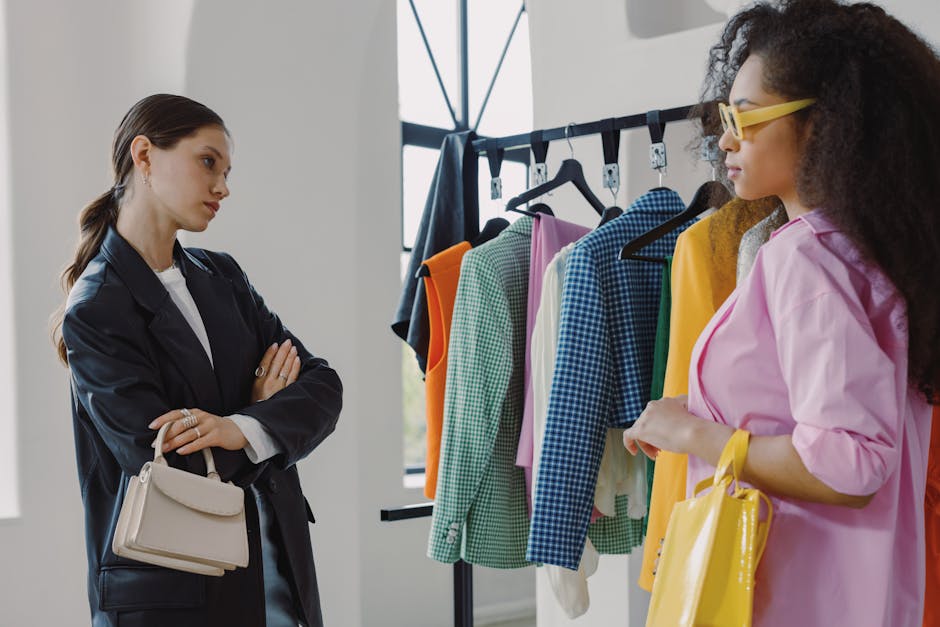
The future of fashion is undeniably tied to sustainability, and certain influencers are at the forefront of this crucial shift. It’s no longer enough for content creators to simply showcase new clothes; there’s a growing imperative to educate and inspire responsible consumption. These individuals are not just style mavens; they are educators, activists, and curators of conscious wardrobes. They are guiding their audiences towards more ethical choices, often challenging the very foundations of fast fashion.
This movement is about more than just reducing waste. It es fair labor practices, transparent supply chains, and the promotion of durable, timeless pieces over fleeting trends. Influencers in this space delve into the environmental impact of textile production, the social conditions of garment workers, and the myriad ways consumers can make a positive difference. They advocate for brands like Reformation, Everlane, and Patagonia, which prioritize ethical production and sustainable materials. Their content moves beyond mere aesthetics, focusing on the story and impact behind each garment.
Beyond Fast Fashion: Sustainability Advocates
Influencers like **Venetia La Manna** (known for her anti-fast fashion advocacy) and **Dominique Drakeford** (who champions eco-friendly and inclusive fashion) are leading this charge. They provide actionable advice on how to shop ethically, promote second-hand and vintage clothing, and encourage clothing repair and upcycling. Their feeds are filled with educational content, brand reviews focusing on sustainability metrics, and discussions around circular fashion economies. They often feature brands that use recycled materials, organic cotton, or implement closed-loop production systems.
They challenge the notion that sustainable fashion is inaccessible or unfashionable, showcasing stylish outfits composed of ethically sourced items or pre-loved pieces. This approach demystifies sustainable shopping, making it feel achievable for a broader audience. They don’t just tell you what to wear; they tell you why it matters, fostering a deeper connection to clothing choices. This often involves detailed breakdowns of fabric types, certifications (like GOTS or Fair Trade), and discussions about a brand’s corporate social responsibility initiatives. They’re effectively creating a new standard for fashion content.
Identifying Greenwashing vs. Genuine Commitment
With the rise of sustainable fashion, so too comes the risk of greenwashing – brands making misleading claims about their environmental practices. Ethical fashion influencers play a critical role in helping their audience navigate this. They often research and vet brands, sharing their findings and calling out deceptive marketing tactics. Look for influencers who provide evidence, cite sources, and encourage critical thinking rather than just endorsing every ‘eco-friendly’ claim.
A genuinely committed influencer will discuss a brand’s entire lifecycle, from sourcing to disposal, rather than just highlighting one ‘green’ aspect. They will talk about certifications, transparency reports, and the challenges brands face in becoming truly sustainable. For example, they might critically analyze a large retailer’s ‘conscious’ collection, asking if it truly aligns with their overall business model. They empower their followers to ask tough questions and make informed decisions, ensuring that their pursuit of style contributes positively to the planet and its people, promoting a deeper understanding of responsible consumption.
Maximizing Your Feed: Practical Strategies for Style Discovery
Navigating Instagram for fashion inspiration doesn’t have to be overwhelming. With a few intentional strategies, you can curate a feed that genuinely reflects and enhances your personal style, rather than leaving you feeling lost or pressured. It’s about being an active participant in your style journey, not a passive consumer of content. Start by recognizing what you truly enjoy and what feels authentic to you, then seek out creators who align with that vision.
How can I find influencers matching my personal style?
Start with specific keywords. Instead of just “fashion,” try “minimalist street style,” “boho chic,” “vintage workwear,” “plus size fashion,” or “ethical clothing brands.” Explore hashtags related to specific aesthetics, body types, or values. Instagram’s “Suggested For You” feature can be helpful, but refine it by actively ‘unfollowing’ accounts that don’t resonate and ‘liking’ or ‘saving’ posts that do. The more you interact with content you genuinely love, the better the algorithm becomes at showing you similar accounts. Also, look at who your favorite smaller accounts follow – often, they have excellent taste and uncover other niche creators. Don’t be afraid to experiment with different accounts, even if they’re outside your usual comfort zone; sometimes, unexpected inspiration comes from unlikely places.
What are common pitfalls to avoid?
A major pitfall is chasing trends blindly. Just because an outfit looks good on an influencer doesn’t mean it suits your body type, lifestyle, or personal aesthetic. Avoid the ‘buy now, think later’ mentality. Take time to consider how a piece would integrate into your existing wardrobe. Another trap is comparing yourself too harshly to perfectly curated feeds. Remember that influencers’ lives are often highly edited. Focus on drawing inspiration and adapting ideas, rather than direct replication. Finally, be wary of accounts with generic, non-engaging comments or unusually high follower-to-engagement ratios, as these can indicate inauthentic activity. Prioritize genuine connection and relevant content over sheer popularity.
The Evolving Landscape of Digital Style
The role of fashion influencers continues to evolve, shifting from mere display to a more nuanced blend of education, advocacy, and genuine connection. Tomorrow’s most impactful voices will be those who empower their audience to make informed, personal style choices. They will offer more than inspiration; they will deliver tangible value and foster a deeper understanding of fashion’s place in our lives and the world.
To truly elevate your personal style in 2026, prioritize influencers who offer thoughtful commentary, a consistent and authentic aesthetic, and a commitment to transparency. Seek out creators who inspire you to explore your own taste, rather than simply replicating theirs. This conscious approach will lead to a more fulfilling and sustainable fashion journey. Start by engaging with the ethical advocates and diverse style curators listed here; their insights will undoubtedly enrich your daily feed and your wardrobe.