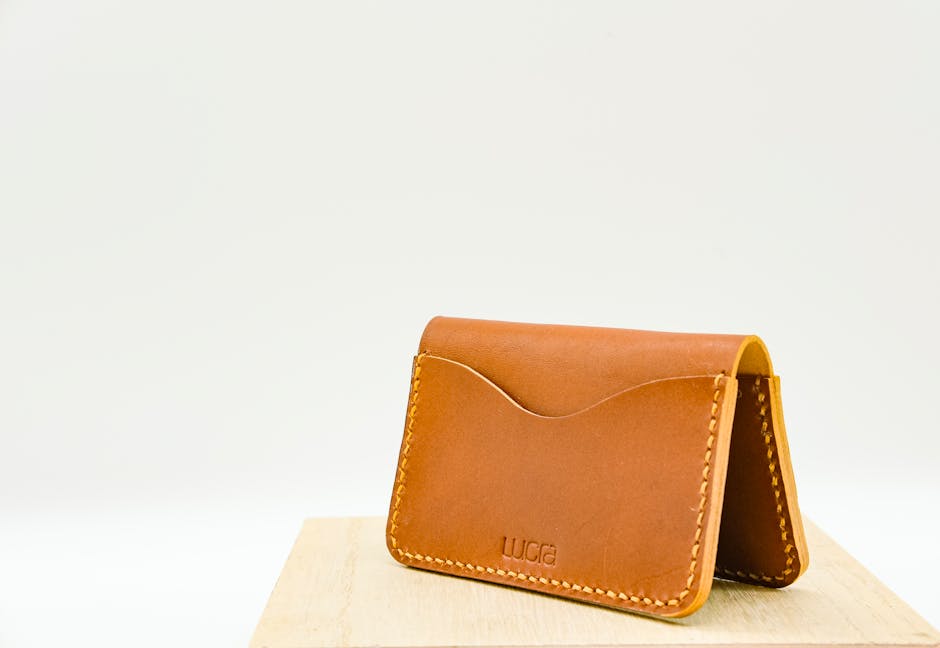
For those prioritizing lasting quality and ethical production, American-made wallets stand out. They offer superior craftsmanship and robust materials. This means a wallet built to endure years of daily use, not just months. We recommend focusing on brands committed to traditional methods and premium domestic sourcing for the best investment.
The Case for USA-Made Wallets: Quality and Craftsmanship
Choosing a wallet made in the USA often means investing in a product with a story. It reflects a commitment to skilled labor, fair wages, and meticulous attention to detail. This isn’t just about patriotism; it is about tangible quality differences. American manufacturers frequently higher-grade materials and more durable construction techniques than their offshore counterparts.
This focus on quality translates directly to the lifespan of the wallet. Where mass-produced wallets might show wear and tear within a year, an American-made piece often develops a rich patina and character, becoming more appealing with age. Think of it as a tool, not just an accessory. A well-made tool performs reliably, day in and day out, for a very long time.
The value proposition extends beyond simple longevity. It includes the peace of mind that comes from supporting local economies and artisans. These companies often have transparent manufacturing processes, allowing consumers to understand exactly where and how their products are made. This transparency builds trust, a critical factor when purchasing items intended for daily, intimate use.
Understanding Material Sourcing
Many American wallet makers pride themselves on sourcing materials domestically. This often means working with historic tanneries like Horween Leather Company in Chicago or other smaller, specialized tanneries across the country. Using local leather ensures a consistent quality standard and often results in superior hides. These materials are chosen for their strength, aesthetic appeal, and how well they age. It is a fundamental difference: material is not a cost-cutting measure but a core component of the wallet’s long-term performance.
The Longevity Advantage
Durability is not accidental; it is engineered. American workshops frequently employ techniques like saddle stitching, which uses two needles to create a strong, interlocking stitch that resists unraveling far better than machine stitching. Edges are often meticulously burnished or painted to prevent fraying and provide a smooth, resilient finish. These details, while subtle, collectively contribute to a wallet that withstands constant handling, bending, and friction without failing. A truly durable wallet handles everyday abuse and still functions perfectly.
Top Materials for American-Crafted Wallets
The material defines a wallet’s character and durability. American manufacturers excel in working with specific high-quality leathers and other resilient fabrics. Understanding these options helps in selecting a wallet that aligns with your lifestyle and preferences for feel and longevity.
- Full-Grain Leather: The Standard. This is the highest quality leather available, utilizing the entire grain of the hide. It retains the natural imperfections and texture, which makes each wallet unique. Full-grain leather develops a beautiful patina over time, gaining character as it ages. It is incredibly durable and resistant to wear and tear. Brands like Tanner Goods frequently use full-grain leathers for their robust construction.
- Horween Leather: A Heritage Choice. Horween Leather Company, based in Chicago, is renowned globally for its exceptional leathers. Their leathers, such as Chromexcel or Dublin, are often found in premium American-made wallets. Chromexcel, for instance, is a pull-up leather, meaning its color changes when folded or creased, offering a rich, dynamic appearance. It is known for its incredible strength, flexibility, and resistance to water. Ashland Leather Co. specializes in wallets made from various Horween leathers.
- Waxed Canvas: Rugged Alternatives. For those seeking a non-leather option, or a more casual, rugged aesthetic, waxed canvas is an excellent choice. This material is inherently water-resistant and develops a unique creased and worn look over time, similar to leather. It is tough, lightweight, and offers a different texture and feel. Some manufacturers combine waxed canvas with leather accents for added structure and style.
- Vegetable-Tanned Leather: Artisanal Appeal. This type of leather is tanned using natural tannins found in bark, wood, and other plant matter. The process is slow and environmentally friendlier than chrome tanning. Vegetable-tanned leather is stiff initially but softens beautifully with use, molding to its contents and developing a deep, rich patina. It is often favored by artisan wallet makers for its natural characteristics and ability to be carved or tooled.
Full-Grain Leather: The Standard
Full-grain leather stands as the benchmark for quality in wallet construction. It retains the full, untouched hide, showcasing its natural strength and resistance to moisture. This material is not sanded or buffed, preserving the strongest fibers and allowing the leather to breathe. A full-grain wallet like the Tanner Goods Journeyman holds its shape and structure even after years of daily compression in a pocket, offering unmatched resilience.
Horween Leather: A Heritage Choice
Horween Leather represents a pinnacle of American tanning heritage. Their specific tanning processes, often taking weeks to complete, imbue the leather with exceptional qualities. Horween Chromexcel, for example, is infused with a proprietary blend of oils and waxes, making it incredibly supple yet strong. It is a material that not only lasts but actively improves in appearance and feel, conforming to your carry habits and developing a unique sheen. The Ashland Leather Co. John the Bastard wallet exemplifies the beauty and durability of Horween leathers.
Waxed Canvas: Rugged Alternatives
When leather isn’t the preferred material, waxed canvas provides a robust and stylish alternative. This heavy-duty cotton fabric is impregnated with wax, making it highly water-resistant and durable. It develops a distinct, broken-in look over time, often referred to as ‘crazing,’ which adds to its character. Waxed canvas wallets are lighter and often more flexible, suitable for those who appreciate a utilitarian aesthetic and robust performance without the animal-hide component. They offer an accessible entry point to durable, American-made carry.
Comparing Popular American Wallet Styles
American wallet makers offer a range of styles, each designed for different preferences regarding capacity, bulk, and carry method. Understanding these distinctions helps you select the best fit for your daily needs.
| Wallet Style | Typical Capacity | Pocket Location | Primary Advantage | Typical Dimensions (Closed) |
|---|---|---|---|---|
| Bifold | 4-8 cards, cash | Back pocket | Classic, balanced capacity | 4.5″ x 3.5″ x 0.5″ |
| Trifold | 6-12 cards, cash | Back pocket | High capacity in a compact form | 4″ x 3″ x 1″ |
| Cardholder | 2-6 cards, folded cash | Front pocket | Minimalist, low bulk | 4″ x 2.75″ x 0.25″ |
| Minimalist/Slim | 3-7 cards, folded cash | Front or back | Extremely thin profile | 4″ x 3″ x 0.3″ |
Bifold vs. Cardholder: Capacity Differences
A traditional bifold wallet is the most common choice, offering a good balance of card slots and a dedicated bill compartment. It suits those who carry a moderate number of cards (typically 4-8) and prefer to keep cash unfolded. A bifold typically sits in the back pocket, though slim versions can work in a front pocket. In contrast, a cardholder is designed for minimal carry. It usually has just a few card slots and a central pocket for a couple of folded bills. This style is ideal for front pocket carry, reducing bulk and improving comfort, especially for those who pay primarily with cards.
Minimalist Appeal vs. Traditional Utility
The minimalist wallet trend prioritizes slimness and reduced bulk. These wallets often sacrifice extensive card slots and cash compartments for a sleek profile. They force you to carry only essentials. Brands like Rogue Industries specialize in minimalist designs that focus on ergonomic front-pocket carry. Traditional wallets, like standard bifolds or even trifolds, offer more utility with greater capacity for cards, receipts, and unfolded cash. The choice depends on your daily carry habits: do you need to carry everything, or can you streamline?
Leading Brands in American Wallet Manufacturing

When seeking an American-made wallet, certain brands consistently deliver exceptional quality and design. These companies have established reputations for craftsmanship, durable materials, and thoughtful construction. They are the clear leaders in this niche.
We highly recommend starting your search with Tanner Goods, Ashland Leather Co., and Rogue Industries. These brands exemplify the best of American wallet manufacturing, each with a distinct approach to quality and style.
Tanner Goods: Built to Last
Tanner Goods, based in Portland, Oregon, focuses on heritage-inspired designs with modern functionality. Their wallets are renowned for their robust construction using premium full-grain leathers sourced from American tanneries. The edges are often hand-burnished, and the stitching is precise. Their Journeyman wallet, for example, is a popular choice for its slim profile and durable build, designed to age beautifully over decades. Tanner Goods wallets are not just accessories; they are tools crafted for longevity.
Ashland Leather Co.: Horween Specialists
Ashland Leather Co., operating out of Chicago, Illinois, specializes exclusively in wallets made from world-renowned Horween leathers. This dedication means their products showcase the unique characteristics and exceptional quality of leathers like Chromexcel, Dublin, and Shell Cordovan. Their designs are often classic and understated, allowing the quality of the leather to speak for itself. The John the Bastard is a prime example of their minimalist bifold, celebrated for its robust Horween construction and superb finish. Each wallet is a testament to the beauty and durability of American-tanned hides.
Rogue Industries: Front Pocket Focus
Rogue Industries, based in Maine, distinguishes itself with a focus on innovative front pocket wallet designs. Their signature curved shape, found in products like the Front Pocket Wallet, is specifically engineered to fit comfortably in the front pocket, reducing bulk and strain typically associated with back pocket carry. They use a range of leathers, including moose and bison, as well as more traditional cowhide, all sourced and manufactured in the USA. Rogue Industries offers a practical solution for those seeking a comfortable, low-profile carry that also prioritizes security.
Essential Construction Details for Lasting Quality
Beyond the choice of material, the way a wallet is constructed dictates its true durability. A well-made American wallet will exhibit specific features that ensure it withstands years of use. These details separate a truly long-lasting product from one that simply looks good initially.
Pay close attention to how the pieces of leather or fabric are joined and finished. These aspects are often overlooked but are critical indicators of a wallet’s overall quality and expected lifespan. Inferior construction can lead to premature wear, fraying, and breakdown, even if the primary material is good. The stitching, edge work, and overall alignment of panels are direct reflections of the manufacturer’s commitment to durability.
A wallet should feel solid and substantial, but not overly stiff. The components should move smoothly, and there should be no loose threads or uneven cuts. Running your fingers over the edges and seams can often reveal potential weaknesses. Investing a moment to inspect these details can save considerable frustration later, ensuring your American-made wallet lives up to its promise of longevity.
Stitching Techniques and Thread Choice
Stitching is the backbone of a wallet’s structure. Look for strong, consistent stitching. Saddle stitching, often done by hand, creates a highly durable, interlocking seam where each stitch is independent. If one stitch breaks, the rest remain secure, preventing unraveling. Machine stitching can be strong if done with high-quality, bonded nylon or polyester thread and sufficient stitches per inch (SPI). Weak thread or loose stitching will be the first point of failure. Threads like ritza tiger thread, known for its strength and UV resistance, are common in premium American-made wallets.
Edge Finishing: Durability and Aesthetics
The edges of a wallet are subjected to constant friction. How they are finished significantly impacts durability. Raw, unfinished edges are prone to fraying and wear. High-quality wallets typically feature burnished, painted, or rolled edges. Burnishing involves rubbing the leather with a tool and wax or gum to create a smooth, sealed surface. Edge paint, when applied correctly in multiple layers and sanded between coats, creates a resilient, flexible barrier. Rolled edges, where the leather is folded over and stitched, offer another highly durable and refined finish. Each method, when executed skillfully, protects the wallet’s integrity and enhances its aesthetic appeal.
Investing in an American-Made Wallet: Value Over Cost
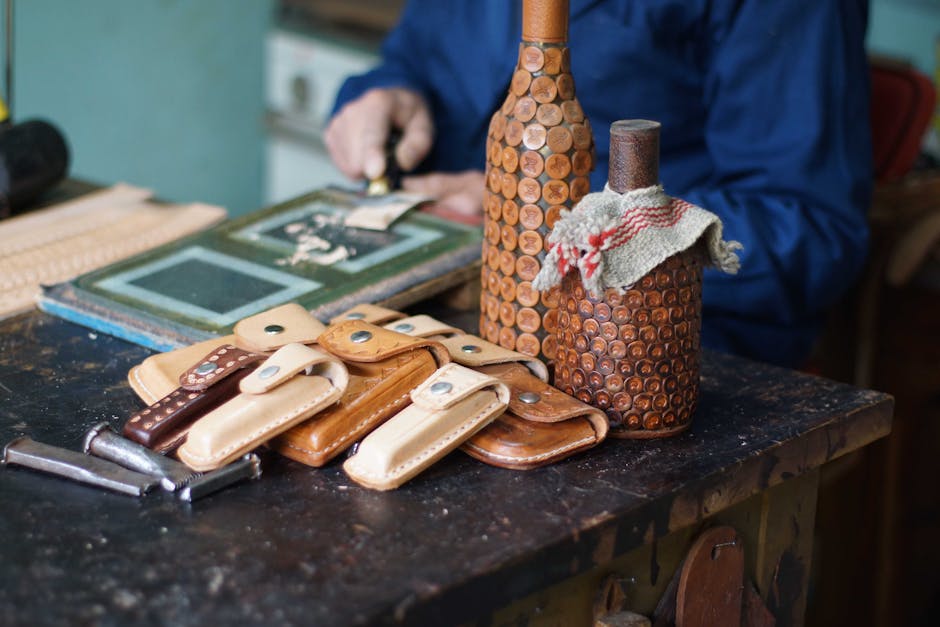
The initial price of a high-quality American-made wallet often exceeds that of mass-produced alternatives. This higher cost is not merely a markup; it reflects the investment in premium materials, skilled labor, and ethical manufacturing practices. When evaluating these wallets, shifting focus from initial cost to long-term value provides a clearer perspective. A wallet that lasts a decade, or even a lifetime, delivers far greater value than a cheaper one needing replacement every year or two.
This is a purchase rooted in durability and sustainability. Fewer replacements mean less waste and a reduced environmental footprint over time. The craftsmanship ensures the wallet performs reliably day after day, avoiding the frustrations of tearing seams or worn-out card slots. It becomes a reliable part of your daily routine, a piece that you don’t think about failing because it simply doesn’t.
Initial Price vs. Lifetime Value
A wallet costing $100-$200 might seem expensive at first glance. However, if that wallet lasts for ten years, its annual cost is $10-$20. Compare this to a $30 wallet that needs replacement every 18 months; its annual cost is $20. Over a decade, the cheaper wallet would cost $200 and likely contribute to more waste. The American-made wallet offers consistent performance and often comes with a strong warranty, making its lifetime value significantly higher. It is a one-time investment in reliable, high-performing gear.
Warranty and Repair Options
Many reputable American wallet manufacturers stand behind their products with robust warranties. These often cover manufacturing defects for the lifetime of the product, or at least for many years. Some brands even offer repair services for wear and tear, extending the wallet’s life further. This commitment to customer satisfaction and product longevity is a testament to their confidence in their craftsmanship. Before purchasing, review the warranty policy; it provides a strong indicator of the brand’s dedication to quality and service, adding another layer of value to your investment.
Finding Your Perfect American-Made Daily Carry
Selecting the right American-made wallet involves more than just aesthetics; it means matching its features to your specific habits and needs. The best wallet for you is one that seamlessly integrates into your daily routine, providing both functionality and style for years to come.
Consider how you use your current wallet. What are its strengths? What are its weaknesses? Do you constantly struggle with too many cards, or perhaps not enough space for cash? Answering these questions provides valuable insight into the ideal design and capacity for your next wallet. A thoughtful selection ensures that your new American-made carry truly enhances your everyday experience.
How many cards and cash do you need?
This is the most critical question. Count the exact number of cards you carry daily: credit, debit, ID, transit, loyalty. If it’s consistently less than five, a minimalist cardholder might be perfect. If you carry eight or more, a bifold with ample card slots or even a compact trifold will be more practical. For cash, decide if you prefer bills unfolded (requiring a bifold or similar) or if folding them into a small pocket is acceptable (common in cardholders and slim wallets). Matching capacity to need prevents both overstuffing and wasted space.
What is your preferred carry location?
Do you always keep your wallet in your back pocket, or do you prefer the front pocket for security and comfort? Back pocket carry generally allows for thicker wallets, like traditional bifolds or trifolds. Front pocket carry necessitates a much slimmer profile, favoring cardholders or specialized front-pocket designs like those from Rogue Industries. The choice impacts both the wallet’s size and its overall design, ensuring it fits comfortably without creating awkward bulges or discomfort.
Are specific features important to you?
Beyond basic storage, consider other features. Do you need RFID blocking for security, a clear ID window for quick display, or a coin pocket? While many American-made wallets focus on minimalist designs, some offer these additional features. Think about how often you would use them. A coin pocket might be essential for some, while others find it adds unnecessary bulk. Prioritize the features that genuinely enhance your daily efficiency and comfort, ensuring your American-made wallet is truly tailored to your lifestyle.