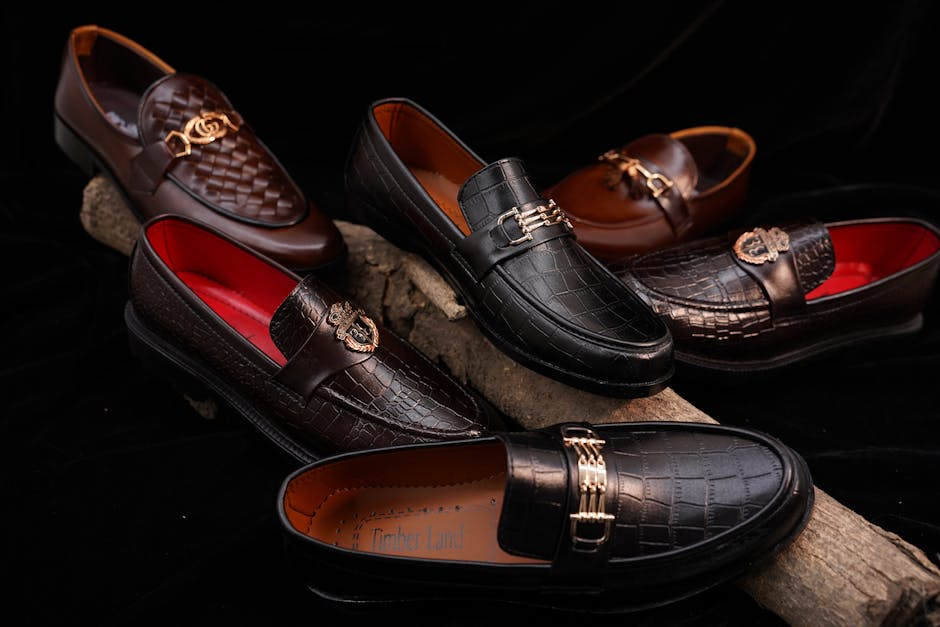
Finding a quality loafer that doesn’t empty your wallet feels like a hunt sometimes. The truth is, genuinely good, affordable loafers exist, but you need to know where to look and what compromises are acceptable. Forget the notion that anything under $200 is trash; there are excellent value picks out there. My top conclusion after digging deep: focus your search on classic penny loafers from heritage brands when they hit sales or outlet stores. They typically offer the best blend of construction, material, and timeless style for the price.
The Smart Buy: Why Moccasin-Stitched Penny Loafers Offer the Most Value
When searching for affordable loafers, the moccasin-stitched penny loafer often represents the peak of value. This style, with its distinctive apron toe and saddle strap, is not just a classic; its construction lends itself well to mass production while maintaining a respectable level of durability. The key is to look for models that use real leather, even if it’s corrected grain or a less expensive cut, over full synthetics. The way these shoes are put together, often with a Blake stitch or cemented construction on budget models, is more robust than the flimsy designs found in fast fashion. They are also incredibly versatile, pairing effortlessly with anything from tailored trousers to casual chinos or shorts. This versatility means you get more wear out of them, making the initial investment, even a small one, go further.
Top Pick: G.H. Bass Weejuns (Outlet Prices)
Without question, the G.H. Bass Weejuns are the benchmark for affordable, classic penny loafers. While their full retail price might push past the strict ‘cheap’ threshold for some (often $120-$180), they frequently appear on sale or at outlet stores for $70-$120. At this price, you’re getting a shoe with decades of history, known for its comfortable fit and surprisingly durable leather upper. They are often made with corrected grain leather, which is still real leather, just treated to create a uniform look. The sole is typically cemented, not Goodyear welted, but it’s a solid enough construction for everyday wear. For the price point, the comfort and classic silhouette are unmatched, making them a clear winner if you catch them on discount.
Runner-Up: Cole Haan Venetian Loafers (Sale Finds)
Cole Haan, particularly their GrandPro or Amalfi series Venetian loafers, offers another strong contender if you prioritize sleekness and modern comfort. These are rarely cheap at full price (expect $150-$200+), but their sales are legendary. You can often find them for $80-$130. They excel in lightweight construction and cushioned insoles, often incorporating sneaker-like comfort technology. The leather quality is generally good for the price, though it might lean towards softer, more supple types that show wear more readily than a stiff, traditional loafer. If your goal is a comfortable, minimalist loafer for business casual or smart casual looks, and you have the patience to wait for a sale, Cole Haan is an excellent choice.
The Material Compromise: Real Leather vs. Synthetics
This is where many budget loafers cut costs. Real leather, even corrected grain or split leather, will always outperform synthetic alternatives in terms of breathability, moldability to your foot, and overall longevity. Synthetics, while initially cheaper, tend to crack, scuff easily, and trap heat, leading to discomfort. For under $100, expect corrected grain leather or a mix of leather and synthetic components. Aim for at least a leather upper. The sole and lining might be synthetic, which is an acceptable compromise for the price. However, a fully synthetic shoe, especially in the upper, is a red flag for durability and comfort. Pay attention to the product description; ‘genuine leather’ can be vague, but it still beats ‘vegan leather’ or ‘PU leather’ for actual wear.
Essential Tips for Spotting a Quality Cheap Loafer

- Examine the Stitching: Good budget loafers will have neat, even stitching, particularly around the apron toe and the sole attachment. Loose threads or inconsistent stitch lines are signs of poor craftsmanship and indicate the shoe won’t hold up. Look closely at where the upper meets the sole; this area is a common failure point.
- Check the Sole Construction: Many affordable loafers use a cemented sole, where the upper is glued to the sole. While not as durable as a Goodyear welt, a well-cemented sole can be quite strong. Test the flex – it should bend where your foot bends naturally, not feel overly stiff or like it will separate. Rubber outsoles tend to be more durable and provide better grip than thin synthetic ones.
- Understand Liner Materials: A full leather lining is a luxury in budget loafers, but a partial leather lining (like the heel counter) or a breathable textile lining is preferable to a full synthetic one. Synthetic linings trap moisture, leading to odor and discomfort. If the lining feels slick or plasticky, expect sweaty feet and a shorter lifespan for the interior of the shoe.
Loafer Styles: What to Look For Under $100
Different loafer styles offer varying levels of formality and often come with different price points, even within the budget category. Understanding what each style brings to the table helps in making a focused purchase. For under $100, certain styles are more prevalent and generally offer better value than others. Penny loafers remain a strong contender due to their classic appeal and robust construction for the price. Driving loafers often provide excellent comfort but are less formal. Venetian loafers bridge the gap with a sleek, minimalist design.
| Loafer Style | Typical Price Range (<$100) | Best Use Case | Key Feature to Look For |
|---|---|---|---|
| Penny Loafer | $50 – $99 (on sale) | Versatile: business casual, smart casual, dressy casual | Sturdy leather upper, classic saddle strap, moc-toe stitching |
| Driving Loafer | $40 – $80 | Casual wear, comfortable travel, summer outfits | Soft, flexible upper; rubber nub sole; often unlined |
| Venetian Loafer | $45 – $90 (on sale) | Modern casual, minimalist smart casual | Sleek, unadorned vamp; often softer leather; good for no-socks look |
| Bit Loafer | $60 – $99 (rare) | Dressier casual, smart casual with tailored trousers | Metal hardware (bit) on the vamp; harder to find quality under $100 |
While bit loafers can be stylish, finding a well-made one under $100 is challenging. The metal hardware adds to the cost, and cheaper versions often use flimsy, discolored metal that quickly looks cheap. Stick to penny, driving, or Venetian styles for the best budget value. These three styles are the most readily available in quality budget versions.
The Absolute Cheapest: Fast Fashion Options and Their Trade-Offs

For those looking for loafers in the $30-$50 range, fast fashion brands like H&M, Zara, or ASOS Design are often the first stop. These options deliver on immediate trendiness and an incredibly low price point. However, the trade-off is significant: expect synthetic materials, poor construction, and a very short lifespan. They might look good for a few wears, but they typically fall apart quickly, lack breathability, and offer minimal comfort. They are not an investment; they are a disposable fashion item. If you absolutely need a specific trend for one event, they work, but don’t expect them to last beyond a season.
Common Loafer Problems Solved: A Q&A Guide
Why do my cheap loafers hurt my feet?
Affordable loafers often hurt for a few key reasons. First, they might use cheaper, stiffer materials that don’t break in properly. Second, they often lack adequate arch support or cushioning, leading to foot fatigue. Lastly, inconsistent sizing or a poorly designed last can cause pressure points. To mitigate this, consider adding gel insoles for cushioning and support. Wear them with thin socks initially to stretch them out, or use a shoe stretcher for problem areas. If they are made of real leather, they will soften over time, but synthetic materials will likely remain uncomfortable.
How can I make affordable loafers last longer?
Making any shoe last longer involves proper care, and this is especially true for budget loafers. The first step is rotation; don’t wear the same pair every day. Give them at least 24 hours to air out and dry. Use cedar shoe trees to absorb moisture and maintain their shape. Clean them regularly with a damp cloth, and if they’re leather, apply a leather conditioner every few months to prevent drying and cracking. Store them away from direct sunlight and extreme temperatures. These small habits can significantly extend the life of even the most inexpensive pair.
Are synthetic loafers ever worth it?
Synthetic loafers are generally a poor investment if durability and comfort are priorities. However, there are niche cases where they might be ‘worth it.’ If you need a specific color or style for a single event and never plan to wear them again, a very cheap synthetic option might suffice. They can also be acceptable as a ‘beater’ shoe for situations where you expect them to get wet or heavily soiled, protecting your nicer leather pairs. But for regular wear, breathability, and long-term comfort, the answer is usually no. Even a slightly more expensive corrected-grain leather loafer will offer a vastly superior experience.
Best Budget Brands and Models to Watch For
Beyond the heritage brands often found on sale, a few labels consistently offer solid value in the under $100 loafer category. These brands understand the market for accessible, stylish footwear and often deliver on comfort and decent construction for their price point. They might not use the highest-grade leather or traditional construction methods, but they prioritize wearability and aesthetics.
Sperry Gold Cup Loafers (On Sale)
While Sperry is most known for boat shoes, their Gold Cup line occasionally features excellent penny and Venetian loafers. At full price, they are usually $160-$200, but sales can bring them down to $90-$150. The Gold Cup collection stands out for its exceptionally soft leather, genuine lambskin linings, and cushioned footbeds, offering a step up in comfort. They are typically unlined or partially lined, making them great for summer and wearing sockless. If you find a Gold Cup loafer on deep discount, it’s a wise purchase for casual to smart-casual wear, offering surprising comfort for extended periods.
Aldo Woven Loafers (Seasonal Discounts)
Aldo often has a wide variety of loafer styles, and while their quality can be hit or miss, their woven or standard leather loafers frequently land in the $60-$100 range during seasonal sales. Look for their genuine leather options, as they offer better durability than their synthetic counterparts. Aldo’s designs are very trend-forward, making them a good option if you want a more contemporary look without a high price tag. Their comfort is generally adequate for casual wear, but don’t expect all-day support like a higher-end shoe. They are a good choice for adding a stylish touch to an outfit without heavy investment.
Goodfellow & Co. (Target) Loafers
For true budget options, the Goodfellow & Co. line at Target consistently surprises. Priced around $30-$50, these are often synthetic leather but occasionally feature mixed materials that mimic a more premium look. They offer surprisingly comfortable insoles for the price and come in classic styles like penny and Venetian loafers. While not built for years of heavy wear, they are an excellent choice for someone needing an affordable, stylish loafer for occasional use or to test out a style without commitment. They often come in versatile colors like black, brown, and tan, making them easy to integrate into a wardrobe.
Caring for Your Affordable Loafers: Maximizing Their Lifespan
- Clean Regularly: Wipe down leather loafers with a damp cloth after wearing them, especially if they’ve been exposed to dirt or dust. For synthetic materials, a simple wipe with a soapy cloth usually suffices.
- Use Shoe Trees: Cedar shoe trees absorb moisture and maintain the shape of your loafers. This is critical for preventing creasing and odors. Insert them immediately after taking your shoes off.
- Condition Leather: If your loafers are leather, even corrected grain, use a leather conditioner every few months. This keeps the material supple and prevents cracking.
- Avoid Wet Conditions: Budget loafers often have less water-resistant construction. Try to avoid wearing them in heavy rain or wet grass. If they do get wet, stuff them with newspaper and let them air dry naturally, away from direct heat.
- Rotate Your Shoes: Never wear the same pair of loafers two days in a row. Giving them a day to rest allows moisture to evaporate and helps them retain their shape. This simple practice doubles or triples the lifespan of most shoes.
- Protect the Soles: If the soles are particularly thin or made of a less durable material, consider having a cobbler add a thin protective rubber sole. This is an extra cost but can significantly extend the life of an otherwise good upper.