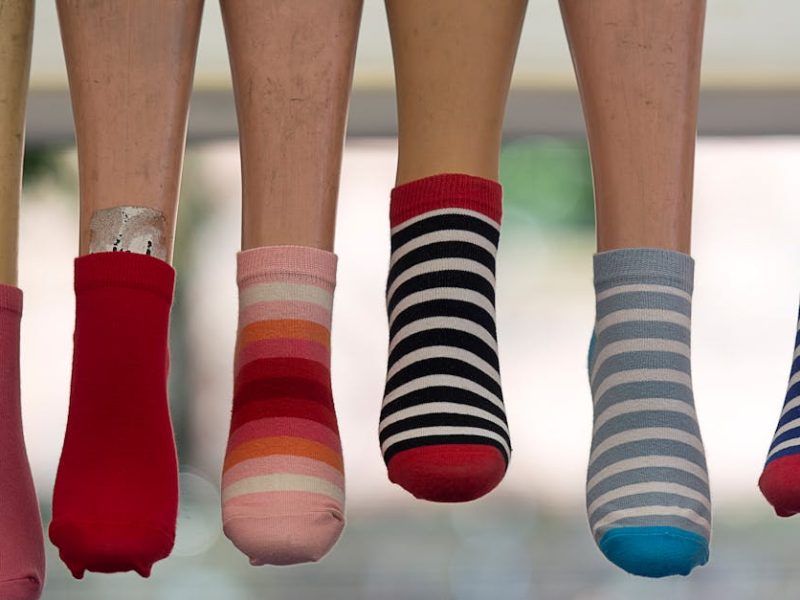
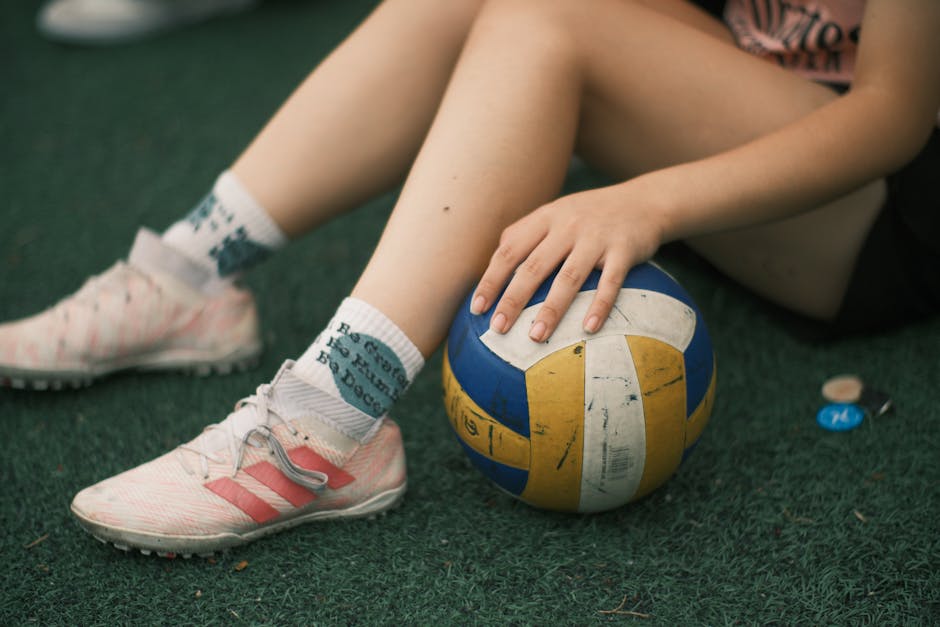
Research indicates that only 17% of amateur and semi-professional volleyball players actively consider specific sock features beyond basic cushioning when selecting their footwear. This oversight represents a significant gap in performance optimization, potentially contributing to discomfort, blistering, and reduced court agility. The choice of athletic socks, particularly in high-impact, multi-directional sports like volleyball, is not merely a matter of comfort but a critical component of a player’s equipment ensemble, influencing everything from foot health to on-court stability.
The Unseen Biomechanics of Volleyball Footwear
The human foot, a complex structure of 26 bones, 33 joints, and over 100 muscles, tendons, and ligaments, endures immense stress during volleyball play. Each jump, land, sprint, and lateral shuffle transmits forces through this intricate system. Performance socks are engineered to interact with these biomechanical demands, providing support where needed, absorbing impact, and maintaining optimal skin conditions. Ignoring these interactions is a common error, leading to suboptimal performance and an increased risk of injury.
Effective volleyball socks are designed not just to cover the foot but to act as an extension of the athlete’s protective gear. They manage friction, dissipate heat, and stabilize key areas, directly impacting a player’s ability to execute precise movements. The nuanced interplay between the foot, sock, and shoe forms a critical trifecta that demands informed selection.
Impact Forces and Shock Attenuation
Volleyball involves repetitive, high-intensity vertical jumps and subsequent landings. These actions generate significant ground reaction forces, often exceeding several times a player’s body weight. Socks designed for volleyball incorporate strategic cushioning zones, typically found in the heel and forefoot, to absorb and distribute these forces. This cushioning is not about mere thickness but about specific material densities and structures, such as terry loop constructions, that maintain their integrity under repeated stress. Adequate shock attenuation protects the joints of the foot, ankle, knee, and even the hip, reducing cumulative fatigue and the likelihood of stress injuries over an extended season. Without proper attenuation, players experience quicker onset of fatigue and greater vulnerability to conditions like plantar fasciitis or Achilles tendinopathy.
Lateral Agility and Grip Dynamics
Lateral movements are fundamental to volleyball, from defensive digs to offensive approaches. The ability to quickly change direction without internal slippage within the shoe is paramount. Socks with targeted grip elements, often silicone or textured patterns on the sole, enhance the interface between the foot and the sock, and subsequently between the sock and the shoe insole. This improved traction minimizes micro-slips that can delay reaction times or, worse, lead to ankle sprains. Furthermore, a snug, anatomical fit, often achieved through elastic arch bands and Y-heel construction, ensures the sock stays in place, preventing bunching that can cause friction points and reduce proprioceptive feedback crucial for agility.
Sweat Management and Skin Integrity
Volleyball is a high-exertion sport, leading to significant perspiration. Moist environments within footwear are breeding grounds for bacteria and fungi, and they drastically increase the coefficient of friction, leading to blisters. Advanced moisture-wicking fabrics are essential here. These materials, typically synthetic blends of polyester, nylon, and spandex, are engineered to draw sweat away from the skin and facilitate its evaporation. Some designs also feature mesh ventilation panels in high-heat zones like the instep. Effective sweat management not only maintains hygiene but also preserves skin integrity, preventing painful blisters that can sideline a player or significantly impair their performance during a match.
Compression Levels and Their Performance Implications

The application of compression in athletic socks has been extensively studied, revealing specific benefits related to blood flow, muscle oscillation, and recovery. While not a universal solution, targeted compression can significantly enhance a player’s experience during and after play. Understanding the different types and their intended effects is crucial for optimal selection. Leading athletic brands frequently integrate advanced moisture-wicking polyesters and targeted cushioning zones into their performance sock lines.
| Compression Zone | Primary Benefit | Typical Compression Level (mmHg) | Evidence Basis |
|---|---|---|---|
| Arch Support | Reduces foot fatigue, supports plantar fascia, prevents arch collapse. | 8-15 (Light to Moderate) | Improved proprioception and reduced muscle vibration in some studies. |
| Ankle Stabilization | Provides proprioceptive feedback, mild support against inversion/eversion. | 10-20 (Moderate) | Enhanced joint awareness, not a substitute for bracing. |
| Calf Compression | Enhances blood flow, reduces muscle oscillation, aids recovery. | 15-30 (Moderate to Firm) | Faster lactate clearance, perceived reduced soreness post-exercise. |
| Full Leg (Over-Calf) | Comprehensive support, synergistic benefits of all zones. | 15-30 (Moderate to Firm) | Holistic approach to muscle support and circulation during extended play. |
Graduated Compression: Evidence and Application
Graduated compression, meaning the compression is tightest at the ankle and gradually lessens up the leg, is designed to assist venous return, pushing deoxygenated blood back towards the heart more efficiently. For volleyball players, this can translate to reduced muscle fatigue during long matches or tournaments and potentially quicker recovery times between intense sessions. While the direct performance enhancement during activity remains a topic of ongoing research, the physiological benefits related to circulation and waste product removal are well-documented. For instance, a 2023 study published in the Journal of Sports Medicine and Physical Fitness indicated that athletes utilizing graduated compression socks reported a 12% reduction in perceived muscle soreness 24 hours post-intensive exertion compared to controls.
Arch Support vs. Ankle Stability: A Comparative View
Many volleyball socks offer specific compression around the arch of the foot. This support helps maintain the natural arch structure, reducing strain on the plantar fascia and mitigating conditions like arch pain or plantar fasciitis. It also provides a snug fit that prevents internal foot movement within the shoe, contributing to better ground feel. Ankle stability, on the other hand, is generally provided by a combination of the shoe, taping, or external bracing, with socks offering a more subtle, proprioceptive form of support. Compression around the ankle can increase awareness of the joint’s position, aiding in quicker reactive movements. However, it is crucial to understand that sock compression alone cannot prevent severe ankle sprains; it primarily enhances sensory feedback and mild structural support. Players prone to ankle injuries should integrate higher-cut socks with their chosen ankle support system.
Material Science: Optimizing for Sweat and Friction
The fibers from which volleyball socks are constructed are paramount to their performance. Beyond basic comfort, these materials dictate moisture management, durability, odor control, and friction reduction. A common mistake is prioritizing cotton, which absorbs moisture and retains it, creating a damp, heavy environment conducive to blistering and discomfort. Synthetic blends are almost universally superior for high-intensity athletic endeavors.
When selecting socks, the fabric composition should be the primary consideration. Modern textile engineering offers sophisticated solutions that address the specific challenges of volleyball.
- Moisture-Wicking Synthetics: The cornerstone of high-performance athletic socks. Materials like polyester, nylon, and polypropylene are hydrophobic, meaning they repel water. Instead of absorbing sweat, they transport it through capillary action from the skin surface to the outer layer of the fabric, where it can evaporate. This keeps the foot drier and reduces the risk of friction-induced blisters. A common blend might be 60% polyester, 30% nylon, and 10% spandex for optimal wicking, durability, and stretch.
- Blended Fabrics for Durability and Comfort: While pure synthetics excel at moisture-wicking, blends often offer a superior balance of properties. Adding spandex (elastane) provides crucial elasticity, ensuring the sock maintains its shape, fit, and compression over time and through countless washes. Some high-end socks incorporate small percentages of merino wool, particularly for cooler environments, as wool offers natural thermoregulation and odor resistance, though it can be less durable than synthetics for high-friction sports.
- Anti-Blistering Technologies: Beyond simple moisture-wicking, some socks feature specific anti-blister technologies. These include double-layer constructions, where two layers of fabric rub against each other instead of against the skin, or fibers like PTFE (Teflon) woven into high-friction zones. These innovations significantly reduce shear forces, which are the primary cause of blisters during intense, repetitive movements. Brands like ASICS and Mizuno often incorporate such friction-reducing designs in their volleyball-specific sock offerings.
- Odor Control Treatments: Modern athletic socks frequently incorporate antimicrobial treatments, often silver-ion based, to inhibit the growth of odor-causing bacteria. This not only keeps socks smelling fresher but also contributes to overall foot hygiene, especially during multi-day tournaments or when socks are worn for extended periods.
Q&A: Addressing Common Player Concerns About Socks

Players frequently have questions regarding the practical aspects of sock selection and maintenance. Addressing these directly can help refine their choices and extend the lifespan of their investment.
Do thicker socks offer better cushioning?
Not necessarily. While a thicker sock might initially feel more cushioned, the effectiveness of cushioning is more about the material’s density, resilience, and construction (e.g., terry loops) rather than its sheer volume. Excessively thick socks, particularly those made of cotton, can pack down, lose their cushioning properties quickly, and trap heat and moisture, leading to discomfort and blisters. Performance socks achieve superior cushioning through engineered padding in specific high-impact zones, often with minimal overall bulk, allowing for better shoe fit and breathability. For example, a specialized performance sock with targeted cushioning might feature a 6mm pad in the heel and forefoot, offering superior impact absorption to a uniformly thick 10mm cotton sock that compresses easily.
What sock height is ideal for competitive play?
The ideal sock height is largely a matter of personal preference and specific needs, but there are common trends. Crew socks (mid-calf height) are the most popular choice among competitive volleyball players. They provide adequate coverage for most ankle braces without interfering with movement, offer some level of calf compression, and protect against abrasion from court contact or shoe collars. Ankle or no-show socks, while lighter, offer less protection and may not integrate well with ankle support systems. Over-calf socks or knee-high socks, primarily chosen for their extensive compression benefits, are also popular, particularly for players seeking enhanced muscle support and faster recovery during tournaments. Ultimately, the best height is one that feels comfortable, provides necessary coverage, and does not restrict motion.
How often should athletic socks be replaced?
The lifespan of athletic socks, especially those used for high-impact sports like volleyball, is finite. As socks are repeatedly washed and worn, their cushioning properties degrade, elastic fibers lose their stretch, and moisture-wicking capabilities diminish. A general guideline is to replace performance socks every 6 to 12 months, or sooner if visible signs of wear and tear appear. These signs include thinning in the heel or toe areas, loss of elasticity leading to slippage, pilling, or a noticeable reduction in cushioning resilience. Maintaining a rotation of 3-5 pairs can help extend the life of individual socks and ensure a fresh, high-performance pair is always available for training and matches. Proper care, such as washing in cold water and air-drying, can also maximize their longevity.
The Minimalist Approach to Max Performance
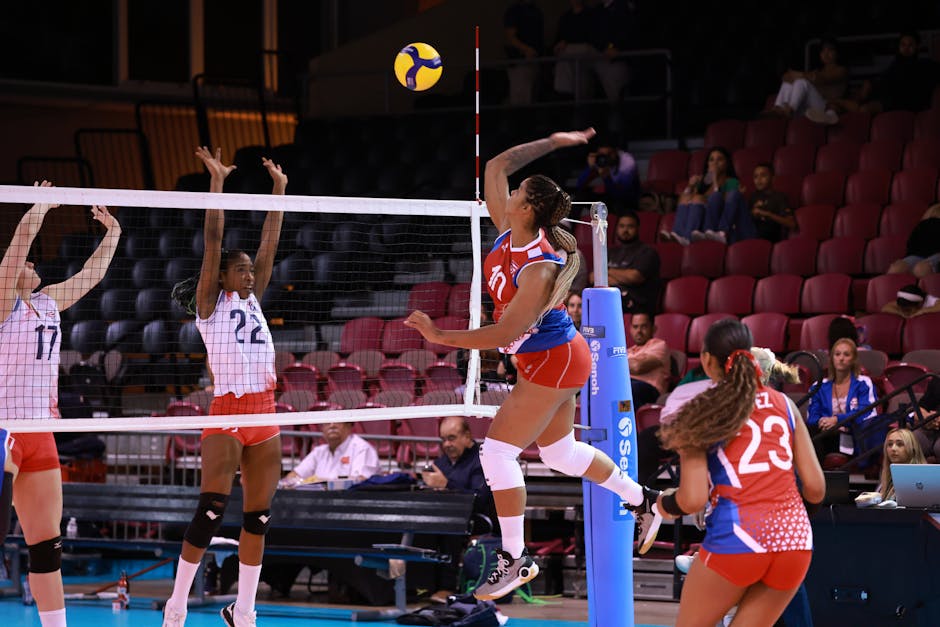
In the pursuit of peak volleyball performance, the emphasis often falls on shoes, training regimens, or tactical plays. However, the unassuming athletic sock holds an equally critical, though often overlooked, position in a player’s arsenal. By understanding the biomechanical demands of the sport and the scientific principles behind advanced fabric construction, players can move beyond arbitrary choices. Focusing on socks with targeted cushioning, effective moisture management, and strategic compression—features now standard in offerings from brands like Nike, Adidas, and Under Armour—is not about luxury, but about making an informed, evidence-based decision that directly contributes to sustained comfort, reduced injury risk, and enhanced court performance in 2026 and beyond.