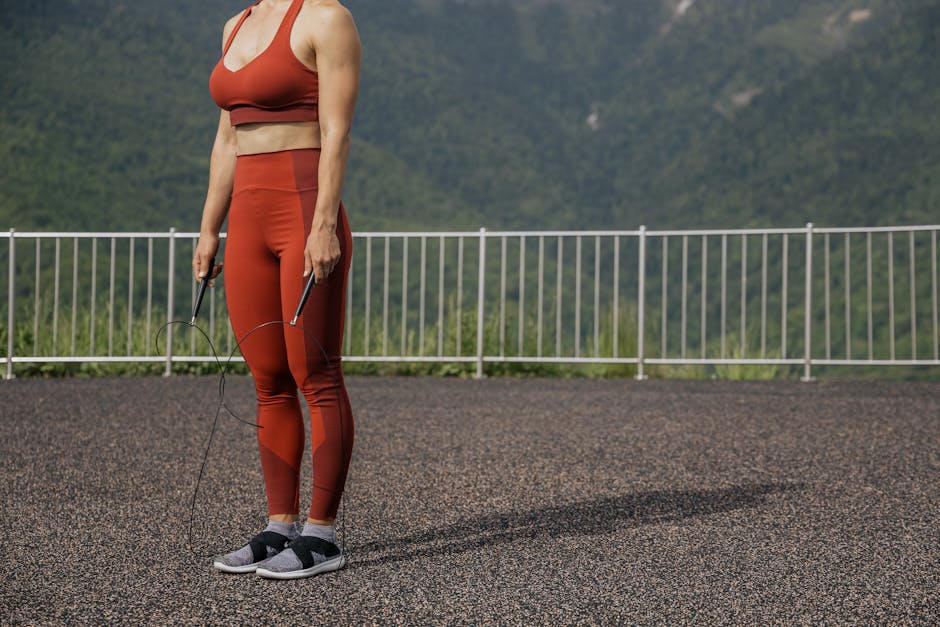
I used to be a staunch believer in the traditional cargo hiking pant. There was something about the tactical aesthetic and the sheer number of pockets that made me feel prepared for the apocalypse, or at least a very long walk in the woods. But after a particularly humid trip through the Appalachian Trail where my heavy canvas trousers felt like wet cardboard against my skin, I made the switch to leggings. It wasn’t an immediate success. My first pair of standard gym leggings was shredded by granite scrambles within three hours. That failure taught me that hiking leggings are a distinct category of gear, requiring a specific balance of abrasion resistance, compression, and functional storage that your average yoga pants simply don’t possess.
Best hiking leggings for durability and rough terrain
When you are bushwhacking or sliding down a scree slope, the fabric between you and the earth needs to act like a second skin, not a fragile veil. Most people assume that because leggings are thin, they are inherently weak. That is a mistake. High-end trekking tights are often more durable than cheap hiking pants because they use high-density nylon weaves and reinforced panels in high-wear areas like the seat and knees.
Fjällräven Abisko Trekking Tights Pro
If I had to pick one pair of leggings to survive a literal trek across a continent, these would be it. The Fjällräven Abisko Trekking Tights Pro (Approx. $175) are built differently. They feature Cordura reinforcements on the knees and the rear, which is essentially the same stuff used in high-end motorcycle gear. I have sat on jagged limestone and crawled through thorny underbrush in these, and they didn’t even pill. The main body is a dense, moisture-wicking stretch fabric that feels substantial without being stifling.
- Pros: Incredible abrasion resistance, map pockets on the thighs, highly sustainable materials.
- Cons: Very expensive, the compression can feel restrictive during high-output climbs.
Patagonia Pack Out Tights
For those who find the Fjällräven pair a bit too “industrial,” the Patagonia Pack Out Tights (Approx. $109) offer a softer alternative that still holds up to trail abuse. They use a recycled polyester/spandex blend that feels more like traditional activewear but has a much tighter knit to prevent snags. I particularly like the zippered pocket on the side, which is a rarity in the legging world. It provides peace of mind for car keys or a small multi-tool that you absolutely cannot afford to lose.
- Pros: Extremely comfortable for all-day wear, Fair Trade Certified sewn, excellent pocket placement.
- Cons: Not as wind-resistant as nylon-heavy options, fabric can show sweat marks in lighter colors.
Arc’teryx Essent High-Rise Legging
Arc’teryx approaches apparel with a minimalist, almost clinical precision. The Essent High-Rise (Approx. $120) is their answer to the hiking legging. It uses Chira fabric, a nylon-elastane blend that is surprisingly tough for how thin it feels. These are the leggings I reach for when I’m doing technical scrambles where I need maximum range of motion. There are no bulky seams to cause chafing under a climbing harness or a heavy pack’s hip belt.
- Pros: Sleek aesthetic, exceptional mobility, very breathable.
- Cons: Lack of reinforced panels means they will eventually wear out faster than the Abisko Pro if used exclusively for rock sliding.
Material science: Why some leggings snag and others don’t

The secret to a good hiking legging lies in the fiber content. Most cheap leggings are made of a high percentage of polyester. While polyester is great for wicking sweat in a climate-controlled gym, it is a relatively soft fiber that shears easily when rubbed against rock or bark. Nylon, on the other hand, is significantly tougher. It has a higher tensile strength and better resistance to abrasion. When I look for new gear, I check the tag. If it isn’t at least 70% nylon, I generally won’t take it on a serious hike.
Then there is the matter of the knit. A “double-knit” fabric is what you want for the backcountry. This construction creates a thicker, more opaque material that won’t go see-through when you’re bending over to adjust your boot laces or squatting to filter water. It also provides a mechanical barrier against insects. I’ve found that mosquitoes have a much harder time biting through a dense nylon knit than a loose polyester mesh. It is a small detail that becomes massive when you’re standing in a bog at dusk.
| Material Type | Durability | Breathability | Best Use Case |
|---|---|---|---|
| Nylon Blend | High | Moderate | Off-trail trekking, rock scrambling |
| Polyester Blend | Moderate | High | Groomed trails, summer day hikes |
| Merino Wool Blend | Low | Extreme | Multi-day trips, odor control |
Weight also plays a role. We talk about “denier” in the outdoor world, which is a unit of measure for the linear mass density of fibers. A higher denier means a thicker thread. Most standard leggings don’t list their denier, but you can feel it. If the fabric feels “papery” or light, it’s likely a low-denier polyester. If it feels cool to the touch and has a bit of weight—like a heavy swimsuit—it’s likely a high-denier nylon. That weight is your insurance policy against a wardrobe malfunction three miles from the trailhead.
Essential features for multi-day trekking
A legging can have the best fabric in the world, but if the waistband slides down every ten steps, it is useless. When you’re wearing a 30-pound backpack, the hip belt of that pack is going to be in constant conflict with the waistband of your leggings. I have learned the hard way that a “low-rise” or even a “mid-rise” legging will inevitably be pushed down by the pack, leading to a frustrating cycle of hiking for five minutes and then hitching up my pants.
High-rise waistbands and backpack hip belts
A true hiking legging must be high-waisted. This allows the waistband to sit comfortably under the hip belt of your pack, providing a layer of cushioning between the webbing and your skin. Look for waistbands that are wide and reinforced with an internal drawstring. The drawstring is vital because, over the course of a long trip, you might actually lose a little water weight or find the fabric stretching out. Being able to cinch the waist ensures you aren’t fighting gravity all day. The Outdoor Research Ferrosi Leggings (Approx. $99) are a masterclass in this design, featuring a wide, flat waistband that stays put even when you’re high-stepping over fallen logs.
Drop-in pockets and security
Pockets are the most debated feature in the hiking community. In my experience, a pocket on the side of the thigh is superior to a pocket at the small of the back. Why? Because you can access a thigh pocket while wearing a backpack. If your phone or map is in a back-waistband pocket, it’s trapped under your pack’s weight. The best pockets are deep enough that a smartphone won’t pop out when you sit down. I look for a “drop-in” style with a slightly elasticized top edge. Some brands, like Black Diamond, have started adding small zippered security pockets inside the larger thigh pockets for things like credit cards or an ID. It is a smart addition that I’ve come to rely on.
A quick tip: Before you commit to a pair, put them on and do ten deep lunges. If you have to pull them up even once, they will be a nightmare on the trail. The fabric should move with you, not away from you.
Seasonal considerations for winter and summer hiking
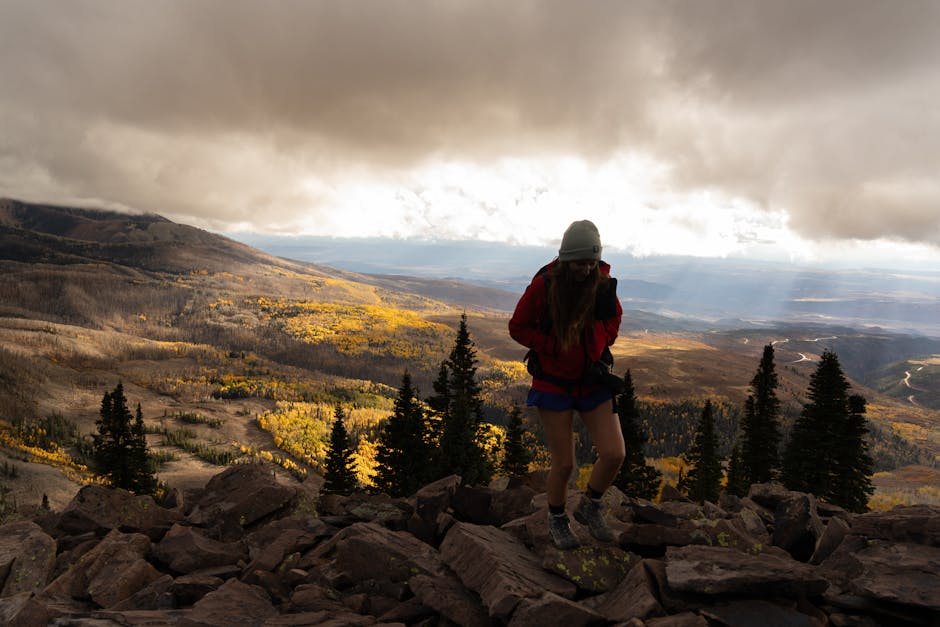
Leggings are not a monolith. The pair I wear for a July hike in the desert is radically different from what I wear for a January snowshoe trek. In the heat, you want something with a high “cool-to-touch” factor. This usually means a thinner nylon with plenty of laser-cut perforations or mesh panels behind the knees to allow heat to escape. UV protection is also a factor. Many technical leggings now carry a UPF 50+ rating, which is far more effective (and less messy) than trying to apply sunscreen through a layer of sweat and trail dust.
Thermal leggings for sub-zero temperatures
When the temperature drops, standard leggings become heat sinks. They are so tight to the skin that there is no room for a layer of warm air to get trapped. For winter, you need brushed fleece interiors. The Smartwool Classic Thermal Merino Base Layer Bottom (Approx. $115) isn’t technically a standalone legging—it’s a base layer—but for high-output winter hiking, it’s my go-to. If I need something more wind-resistant, I look for “hybrid” leggings that feature wind-block panels on the front of the thighs and breathable fleece on the back. This protects your muscles from the biting wind while allowing moisture to evaporate from the back of your legs, preventing that clammy, frozen feeling.
One thing to watch out for in winter leggings is the “saggy crotch” syndrome. Fleece-lined fabrics tend to have less recovery than standard spandex blends. This means they can start to sag after a few hours of movement. Again, a drawstring is your best friend here. I’ve also found that wearing a pair of lightweight running shorts over thermal leggings can help keep them in place while providing an extra layer of warmth for your core.
Ethical choices and long-term gear maintenance
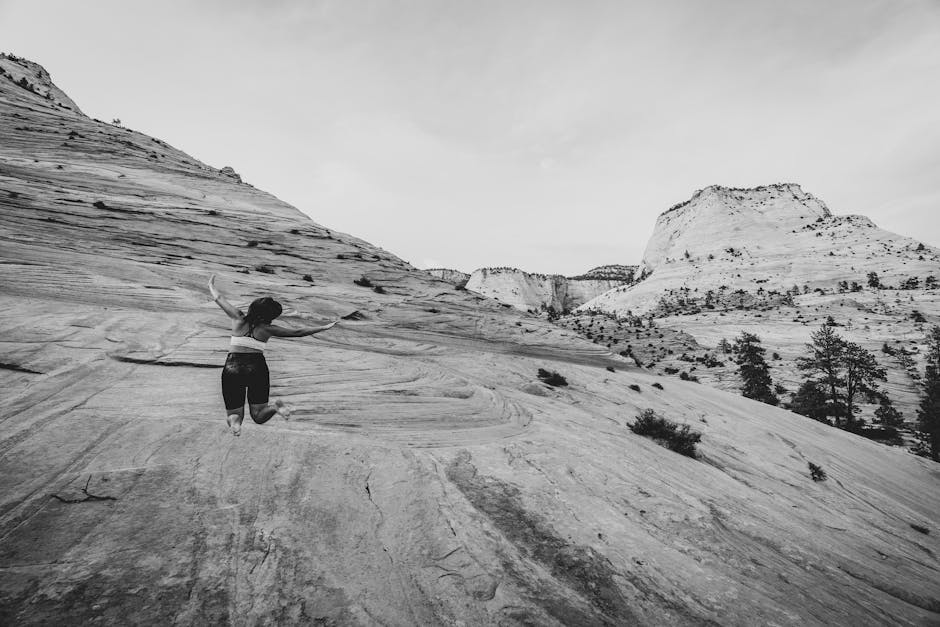
The outdoor industry has a complicated relationship with plastic. Leggings are, by definition, made of synthetic plastics. However, many brands are making strides in using recycled ocean plastics or post-consumer waste. Patagonia is the obvious leader here, but brands like Prana and even REI’s in-house line are increasingly using bluesign® approved fabrics. These certifications mean the chemicals and dyes used in production meet strict environmental and safety standards. As someone who spends their free time enjoying nature, I find it hard to justify buying gear that actively harms the places I love to visit.
How to wash leggings to preserve elasticity
If you spend $150 on a pair of trekking tights, you want them to last five years, not five washes. The biggest killer of leggings is the dryer. High heat destroys the elastane fibers that give leggings their stretch. Once those fibers snap, you get that rippled, “bacon” look on the waistband, and the compression is gone forever. I wash all my hiking gear on a cold, gentle cycle with a specialized technical wash like Nikwax Tech Wash. This removes the oils and salts from sweat without stripping the fabric’s natural water repellency. Then, I hang them to air dry. It takes longer, but it doubles the lifespan of the garment.
Another thing to avoid is fabric softener. Softener works by coating fibers in a thin layer of wax to make them feel soft. This wax clogs the pores of the fabric, effectively killing its ability to wick moisture. If you’ve ever felt like your leggings are suddenly making you feel swampy and hot, it might be because of your laundry detergent. Stick to the simple stuff, and your gear will perform exactly how it was designed to. At the end of the day, hiking leggings are an investment in your comfort and safety. Treat them like the technical equipment they are, and they will take you through hundreds of miles of wilderness without a single complaint.