Imagine standing in a brightly lit showroom, surrounded by rolls of Italian wool and rows of mannequins that seem to wear their clothes with more confidence than most humans. You are there because a wedding invitation—perhaps your own—is sitting on your desk. The choice of a coat pant for a marriage ceremony is rarely just about aesthetics. It is an exercise in structural engineering, social signaling, and, most importantly, comfort during a twelve-hour event. The garment you choose will be immortalized in photographs for decades, yet many men approach the purchase with less research than they would put into buying a mid-range smartphone. Understanding the nuances of lapel widths, fabric weights, and the subtle differences between a ready-to-wear garment and a bespoke creation is the difference between looking like the guest of honor and looking like you borrowed your father’s work suit.
Popular Coat Pant Styles for Grooms and Wedding Guests
The landscape of wedding attire has shifted significantly over the last few years. While the traditional black suit remains a safe harbor, modern weddings often demand more specific silhouettes. The first major contender is the Tuxedo (Black Tie). Characterized by satin or grosgrain facings on the jacket’s lapels and buttons, and a similar stripe along the outseam of the trousers, the tuxedo is the pinnacle of formal evening wear. It is designed to create a clean, streamlined look that emphasizes the wearer’s height and shoulder width. For a wedding, a midnight blue tuxedo often performs better than pure black under artificial lighting, as black can sometimes appear slightly green or grey in photography.
Alternatively, the Three-Piece Suit offers a layer of versatility that is hard to beat. By adding a waistcoat (vest), you ensure that even when the heat of the dance floor forces you to shed your jacket, you still maintain a formal, put-together appearance. The waistcoat also serves a functional purpose: it keeps the necktie tucked neatly against the chest and provides a slimming effect around the midsection. For marriage ceremonies, the three-piece suit in charcoal, navy, or even a deep forest green has become a standard for those who want to balance tradition with a touch of personal flair.
For those attending or hosting a traditional South Asian or fusion wedding, the Jodhpuri Suit (Bandhgala) is an essential consideration. This style features a high, closed collar and a button-down front, blending the structure of Western tailoring with Eastern heritage. It is often regarded as the “Prince Coat” of the East. The Jodhpuri is particularly effective for men who prefer a more regal, structured look without the need for a necktie. It requires a precise fit around the neck and shoulders to avoid looking restrictive, making it a prime candidate for custom tailoring rather than off-the-rack purchases.
Comparison of Primary Wedding Suit Silhouettes
| Style Name | Key Characteristics | Best Occasion | Typical Price Range (INR) |
|---|---|---|---|
| Classic Tuxedo | Satin lapels, no belt loops, bow tie required. | Formal evening receptions. | ₹15,000 – ₹85,000 |
| Three-Piece Suit | Matching waistcoat, notch or peak lapel. | Daytime or evening ceremonies. | ₹12,000 – ₹65,000 |
| Jodhpuri / Bandhgala | Mandarin collar, structured shoulders. | Traditional rituals and dinners. | ₹18,000 – ₹1,20,000 |
| Double-Breasted Suit | Overlapping front flaps, 4 or 6 buttons. | High-fashion wedding themes. | ₹14,000 – ₹55,000 |
Cost Breakdown for Wedding Suits Across Different Budget Tiers
When discussing the price of a coat pant for marriage, we must differentiate between the three main methods of acquisition: Ready-to-Wear (RTW), Made-to-Measure (MTM), and Bespoke. Each tier offers a different level of personalization and, consequently, a different price floor. RTW is what you find on the racks of major retailers. These are mass-produced to fit a generic size profile. If you have an athletic or non-standard build, you will almost certainly need to budget an additional ₹1,500 to ₹3,000 for alterations to the sleeve length and trouser hem.
The Budget Tier (₹7,000 – ₹18,000): Brands like Peter England, Van Heusen, and Louis Philippe dominate this space. At this price point, you are typically looking at poly-viscose blends. While these fabrics are durable and resist wrinkling, they do not breathe as well as natural fibers. A Peter England wedding suit might cost roughly ₹8,500. It looks sharp for the first few hours, but you may find it uncomfortably warm in a crowded hall. The construction is usually “fused,” meaning the inner lining is glued to the outer fabric, which can lead to bubbling over time if not dry-cleaned carefully.
The Mid-Range Tier (₹20,000 – ₹45,000): This is where you find brands like Blackberrys and Raymond Ready-to-Wear. Here, the fabric quality jumps to wool blends or “Super 100s” wool. A Blackberrys Phoenix suit, often priced around ₹22,000, offers a significantly better drape and a more modern, slim-fit cut. Many men find this to be the “sweet spot” for a wedding guest outfit—it feels premium without the extreme cost of custom tailoring. The stitching is more reinforced, and the internal canvas (the structure of the chest) is often partially sewn rather than entirely glued.
The Premium and Bespoke Tier (₹50,000 – ₹2,00,000+): If you are the groom, this is likely your territory. Raymond Custom Tailoring or luxury designers like Manyavar (for Indo-Western styles) offer services where a pattern is created specifically for your body. A high-end Raymond wool-silk blend suit can easily reach ₹75,000. For this price, you are paying for the hand-stitched details, the “full-canvas” construction that allows the jacket to mold to your body over time, and the ability to choose every detail from the button material (horn or mother-of-pearl) to the silk lining pattern. It is an investment in a garment that, if cared for, will last a lifetime.
A common mistake is spending the entire budget on the suit itself while ignoring the cost of the shirt, tie, and shoes. A ₹50,000 suit paired with a poorly fitted ₹1,000 shirt will look like a cheap ensemble. Always allocate at least 20% of your total budget for accessories.
Choosing the Right Fabric and Cut for Marriage Occasions
The success of a coat pant style depends heavily on the environment of the wedding. A heavy wool suit in a tropical climate is a recipe for physical misery, regardless of how much you paid for it. For summer weddings or beach ceremonies, linen and cotton-silk blends are the logical choice. However, pure linen wrinkles instantly. If you want to maintain a crisp look throughout the ceremony, look for a linen-wool blend. This provides the breathability of linen with the shape-retention of wool. These blends typically start at around ₹25,000 for a decent MTM set.
The “cut” of the suit is equally vital. We generally categorize cuts into three styles: Italian, British, and American. The Italian cut (often seen in brands like Canali or high-end Blackberrys lines) is slim, with high armholes and a shorter jacket. It is trendy and youthful but can be unforgiving on larger frames. The British cut is more traditional, featuring padded shoulders and a nipped-in waist, usually with two side vents. This is the most versatile cut for weddings as it creates a masculine, hourglass silhouette. The American cut (or “Sack Suit”) is boxier and more relaxed, which is generally avoided for weddings unless you are going for a vintage mid-century aesthetic.
Details like lapel type also signal the formality of the event. A Notch Lapel is the standard for business and casual weddings. It is the most common and least risky choice. A Peak Lapel, which points upward toward the shoulders, is more formal and visually broadens the chest. You will almost always find peak lapels on double-breasted suits and high-end tuxedos. If you are the groom and want to stand out from your groomsmen, choosing a peak lapel while they wear notch lapels is a subtle, sophisticated way to differentiate yourself without wearing a completely different color.
Fabric Selection Guide
- Cool Weather/Winter: Velvet (for blazers), Heavy Tweed, or Super 120s Wool. Velvet Jodhpuri coats from brands like Manyavar range from ₹25,000 to ₹60,000.
- Warm Weather/Summer: Seersucker, Linen-Silk blends, or Tropical Wool. A light-colored Louis Philippe linen suit usually retails for around ₹15,000.
- Year-Round/Versatile: Super 100s Wool. This is the industry standard for durability and comfort.
Essential Styling Tips for a Complete Wedding Look
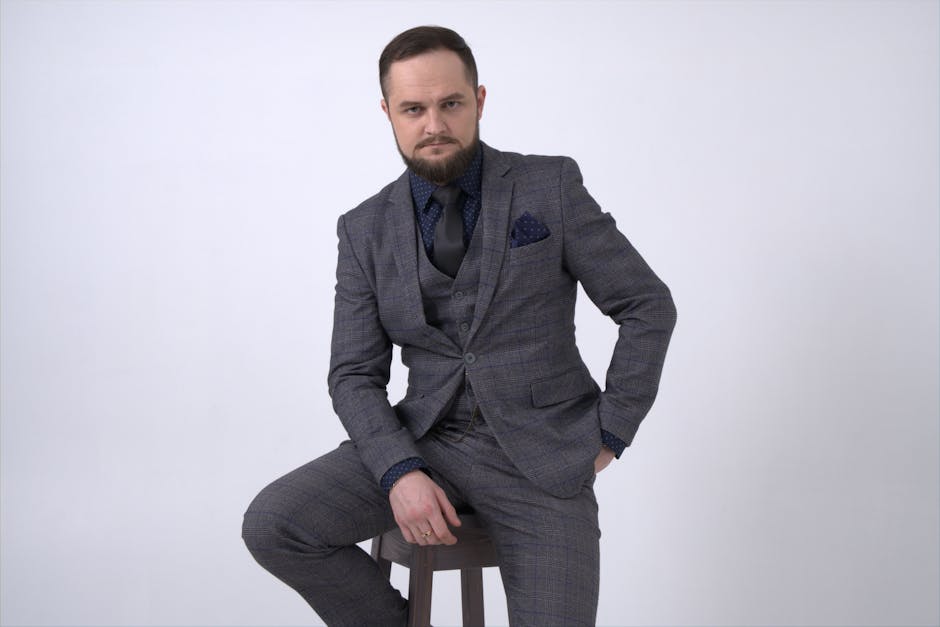

Once the coat pant is selected, the focus must shift to the finishing touches. The most expensive suit in the room can be undermined by a pair of scuffed shoes or a tie that is the wrong width for the lapels. For a wedding, the rule of thumb is that your leather goods—belt and shoes—must match. If you are wearing a navy suit, dark brown or oxblood leather is often more visually interesting than black. For a tuxedo, highly polished black patent leather is the only acceptable choice. A pair of quality leather Oxfords from a brand like Bata Premium or Hush Puppies will cost between ₹4,000 and ₹8,000, while handcrafted leather shoes from luxury boutiques can exceed ₹20,000.
The Pocket Square is an often-overlooked tool for adding personality. It should never perfectly match your tie; rather, it should complement it. If your tie has a hint of burgundy, a pocket square with a burgundy pattern works well. A simple white silk pocket square in a flat fold is the safest and most elegant choice for any wedding style. Furthermore, pay attention to the “break” of your trousers—the fold of fabric where the pant leg hits the shoe. A “quarter break” or “no break” is currently the most stylish option, providing a clean, sharp line that doesn’t bunch up at the ankles.
Finally, consider the functionality of your accessories. If you are wearing a three-piece suit, you should never wear a belt; instead, use side adjusters or suspenders. A belt adds unnecessary bulk under the waistcoat and can disrupt the smooth line of the vest. Similarly, ensure your shirt cuffs extend about half an inch past your jacket sleeves. This small detail shows that the suit was fitted specifically for you. These minor adjustments cost nothing but time and attention, yet they elevate the entire ensemble from a simple purchase to a curated look. Whether you spend ₹10,000 or ₹1,00,000, the goal of wedding attire is to feel like the best version of yourself—not like you are wearing a costume.
Checklist for the Final Fitting
- Shoulders: The seam should sit exactly where your arm meets your shoulder. No overhang.
- The Hug Test: Button the jacket and hug yourself. It should feel snug but not like the seams are about to burst.
- Sleeve Length: Should end just above the wrist bone to allow the shirt cuff to show.
- Trouser Length: Ensure the hem doesn’t drag on the floor or show your socks when standing still.
- The Waistcoat: The bottom button of the waistcoat (and the jacket) should always remain unbuttoned.