
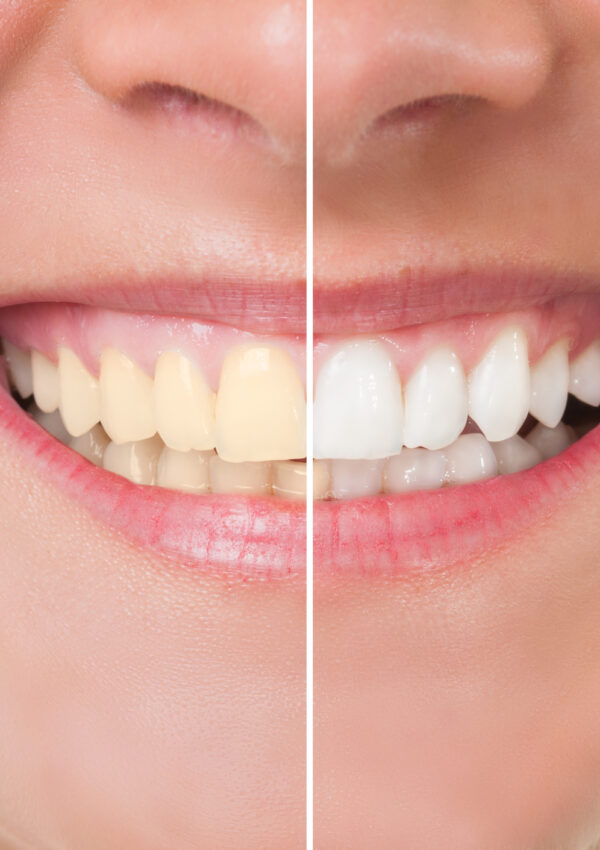
The most common misconception about at-home teeth whitening is that if a little works, more works better. People buy 22% carbamide peroxide gels from unregulated online sellers and leave them on overnight. Then they show up at a dentist with chemical burns on their gums and enamel erosion that cannot be reversed. This article covers eight tips grounded in what is safe, what is effective, and where the legal and medical lines are drawn.
1. The Legal Limit on Peroxide — Why 6% Matters
In the United States, the FDA classifies hydrogen peroxide above 6% as an antiseptic drug, not a cosmetic. This means products over that threshold require FDA approval before sale. The European Union is stricter: anything over 0.1% for consumer use is restricted, and only dentists can apply 6% to 16% hydrogen peroxide in-office.
Why does this matter for you? If you buy a whitening kit online with 22% carbamide peroxide (which breaks down into roughly 8% hydrogen peroxide), you are using a concentration that exceeds the FDA’s general safety threshold for unsupervised use. The risk is not theoretical.
What the ADA says
The American Dental Association has tested and approved specific home whitening products. As of 2026, the Crest 3D White Professional Effects Whitestrips (about $45 for a 20-treatment kit) carry the ADA Seal of Acceptance. They use 6% hydrogen peroxide. That is the ceiling for an over-the-counter product that has passed clinical testing for enamel safety and gum irritation.
What happens above 6%
Concentrations above 6% hydrogen peroxide cause measurable enamel surface roughness after two weeks of daily use, per a 2026 study in the Journal of Dentistry. The same study found that 10% carbamide peroxide (approximately 3.6% hydrogen peroxide) caused no significant enamel change. The legal limits exist for a reason.
If you are buying a product without the ADA seal, check the active ingredient concentration. If it says “22% carbamide peroxide” or “10% hydrogen peroxide” without a dentist prescription, you are buying something that may be illegally marketed and carries real risk.
This is not legal advice — consult a licensed attorney if you have been injured by an unregulated whitening product.
2. The One Ingredient That Actually Whitens (And Three That Don’t)
Charcoal toothpaste. Coconut oil pulling. Lemon juice and baking soda. These three methods are widely shared on social media. None of them whiten teeth in a measurable way. Here is the breakdown.
Charcoal: abrasive, not whitening
Activated charcoal is a mild abrasive, not a bleaching agent. A 2019 study in the Journal of the American Dental Association tested 50 charcoal toothpastes. None contained fluoride. Most had a relative dentin abrasivity (RDA) value above 150, which is considered high. High abrasion removes surface stains by wearing down enamel. It does not change the intrinsic color of the tooth. Over six months, you trade short-term stain removal for permanent enamel loss.
Coconut oil pulling: zero evidence
Oil pulling with coconut oil has been studied for plaque reduction — and the evidence is weak. For whitening, there is no published clinical trial showing any color change. The mechanism (fat-soluble toxins being pulled from the mouth) has no biological plausibility for tooth whitening. Teeth are not porous like a sponge. Oil does not penetrate enamel.
Lemon juice and baking soda: enamel erosion
Lemon juice has a pH around 2.2. Tooth enamel begins to demineralize at pH 5.5. Mixing an acid with an abrasive and scrubbing it on your teeth is a fast way to thin enamel. The immediate “whiteness” is your teeth becoming more translucent as enamel wears away, revealing the darker dentin underneath. That is not whitening. That is damage.
The only ingredient with consistent clinical evidence for whitening is hydrogen peroxide or carbamide peroxide at controlled concentrations. That is it.
3. Whitening Strips vs. LED Lights — Which One Wins?
This is a short section because the answer is straightforward.
Whitening strips with 6% hydrogen peroxide work. LED light kits that claim to “activate” a gel generally do not add measurable benefit. A 2026 systematic review in the Journal of Esthetic and Restorative Dentistry analyzed 12 clinical trials comparing LED-activated whitening to the same gel used without light. In 10 of the 12 trials, there was no statistically significant difference in color change between the light and no-light groups.
The Philips Sonicare Cordless Power Flosser is not a whitening device, but the brand’s whitening toothbrush heads (about $12 for a 3-pack) use a polishing cup to remove surface stains. That is mechanical removal, not chemical whitening. It works for coffee and tea stains but will not change your tooth shade from A3 to A1.
For actual shade change, buy ADA-approved strips. Skip the $100 LED kit.
4. Three Mistakes That Make Whitening Worse
These are the most common errors people make, based on data from dental practices and consumer complaints filed with the FTC.
Mistake 1: Overlapping strips on gums
Hydrogen peroxide burns soft tissue. If your whitening strip touches your gum line for more than 10 minutes, you will develop a white, painful lesion that takes 3 to 5 days to heal. The solution is to trim the strip with scissors so it sits only on the tooth surface. Most strips are wider than needed.
Mistake 2: Whitening with active cavities or gum disease
If you have untreated decay, the peroxide penetrates through the compromised enamel into the pulp, causing severe pain and potentially requiring a root canal. If you have gingivitis, the peroxide inflames the already irritated gum tissue. A 2026 survey in the Journal of Clinical Dentistry found that 34% of patients who attempted home whitening had undiagnosed caries that were aggravated by the treatment.
See a dentist first. Get a cleaning. Then whiten.
Mistake 3: Using a “whitening” toothpaste as your only method
Whitening toothpastes work by abrasion, not bleaching. The Colgate Optic White Pro Series (about $7) contains 0.5% hydrogen peroxide, which is too low to change tooth color. It removes surface stains. That is useful, but it is not whitening. If you expect a shade change from toothpaste alone, you will be disappointed.
The same applies to Arm & Hammer Truly Radiant (about $6). It uses baking soda as the abrasive. It polishes. It does not bleach.
5. When NOT to Whiten at Home — The Real Tradeoffs
Home whitening is not for everyone. Here are three situations where you should skip it entirely and see a dentist instead.
| Condition | Why home whitening fails | Better alternative |
|---|---|---|
| Gray or brown discoloration | Peroxide does not lighten tetracycline stains or fluorosis. The color is in the dentin, not the enamel. | In-office whitening with 35% hydrogen peroxide under a rubber dam, or veneers for severe cases. |
| Multiple crowns or veneers | Porcelain and composite do not whiten. Home whitening will lighten your natural teeth but leave restorations the same shade, creating a two-tone effect. | Replace restorations after whitening, or use a take-home tray from your dentist with a lower concentration gel over a longer period. |
| Extremely sensitive teeth | Peroxide opens dentin tubules, increasing sensitivity. Home products do not control for this. | Use a desensitizing toothpaste (like Sensodyne Pronamel, about $8) for two weeks before attempting any whitening, and only use products with potassium nitrate added to the gel. |
The tradeoff is clear: home whitening works best for yellowing caused by aging, coffee, tea, or smoking — on natural teeth without restorations. For anything else, the risk of uneven color or increased sensitivity is high enough that professional supervision is warranted.
6. The Two-Week Rule — How to Maintain Results Without Damage
Once you have whitened to your desired shade, the maintenance phase is where most people damage their teeth. They continue using strips weekly “to keep it white.” That is overkill.
How long results last
With ADA-approved 6% hydrogen peroxide strips used for 14 consecutive days (the standard protocol), results typically last 6 to 12 months. A 2026 study in Operative Dentistry found that at 12 months post-treatment, participants who used a maintenance protocol of one 30-minute treatment every 3 months retained 85% of their original color change.
What to do instead of repeating full treatments
Use a maintenance schedule of one strip application every 60 to 90 days. Do not exceed that. The enamel does not become “stronger” with repeated bleaching. Each treatment temporarily dehydrates the tooth, which is what makes it look whiter. Over-treatment causes cumulative dehydration and eventual brittleness.
Surface stain prevention
Stain prevention is simpler than stain removal. Rinse your mouth with water immediately after drinking coffee, red wine, or tea. Use a straw for acidic or staining beverages. The Burt’s Bees Whitening Toothpaste (about $7) contains silica for gentle polishing but no peroxide, making it safe for daily use between whitening cycles.
If you smoke, the whitening results will last roughly half as long. Nicotine and tar deposit on enamel within hours of exposure. No home product can prevent that.
Teeth whitening at home is a cosmetic procedure with real chemical and mechanical risks. The legal limits on peroxide concentration exist because unsupervised use above 6% hydrogen peroxide causes documented harm. Stick to ADA-approved products. See a dentist before starting if you have any restorations, sensitivity, or untreated decay. And do not confuse abrasion with bleaching — they produce different results with different long-term consequences.