
I walked into my first interview wearing a cream cable-knit sweater vest over a white button-down, paired with tailored black trousers and loafers. The hiring manager said, “I love that vest — it’s professional but not stuffy.” I got the offer. That was three years ago, and I’ve since worn sweater vests to interviews in tech, education, and consulting. Two offers out of three. The trick isn’t the vest itself — it’s how you build the rest of the outfit.
Most people think sweater vests belong in a 1990s prep school catalog or on an English professor. They’re wrong. A well-chosen sweater vest signals confidence, attention to detail, and a willingness to break the boring navy-suit mold. But you have to do it right. Here’s what I’ve learned from doing it wrong first.
Why a Sweater Vest Works for Interviews (and When It Doesn’t)
I’ll be direct: a sweater vest is not for every interview. If you’re interviewing for a law firm that requires a full suit, skip it. But for creative roles, tech companies, education, marketing, or any “business casual” environment, it’s a secret weapon.
The sweater vest solves a specific problem: how to look polished without looking like you’re trying too hard. A blazer can feel heavy and formal. A cardigan can feel too casual. A sweater vest hits the middle — it adds texture, color, and shape without making you look boxy or overdressed.
What the Vest Signals to an Interviewer
I’ve asked recruiters about this. Their feedback: a sweater vest shows you put thought into your outfit without following a script. It suggests creativity, confidence, and that you understand context. You’re not wearing a uniform — you’re wearing a choice.
But there’s a trap. If the vest is too baggy, too bright, or paired with the wrong shirt, you look like you’re going to a costume party. I learned this the hard way when I wore an oversized mustard vest to a startup interview and got asked if I was “going for a Wes Anderson vibe.” Not a compliment.
When to Skip It Entirely
Don’t wear a sweater vest if:
- The company dress code explicitly requires a suit jacket
- You’re interviewing for a role where clients expect traditional formality (finance, law, high-end retail)
- You’re interviewing in summer and the office has no AC
- The vest is made of cheap acrylic that pills and looks worn
In those cases, a crisp button-down with a tailored blazer is the safer bet. I own both options for a reason.
The 3 Outfits I Actually Wore (With Exact Brands and Prices)

Here are the three interview outfits I used, with real products. I’m not sponsored by any of these brands — I just bought them with my own money and tested them.
| Role | Company Type | Sweater Vest | Shirt | Bottoms | Shoes | Result |
|---|---|---|---|---|---|---|
| Content Strategist | Tech Startup | J.Crew Cashmere Crewneck Vest ($98, charcoal) | Uniqlo Supima Cotton Oxford ($30, white) | Everlane The Slim Crop Pant ($68, black) | Loake Aldwych Loafers ($195, tan leather) | Offer received |
| High School Teacher | Private School | Banana Republic Merino Wool Vest ($79, navy) | Brooks Brothers Non-Iron Spread Collar ($88, light blue) | J.Crew 484 Chino ($70, khaki) | Clarks Desert Boots ($120, beeswax) | Offer received |
| Marketing Manager | Consulting Firm | COS Ribbed Wool Blend Vest ($89, oatmeal) | Everlane The Premium Oxford ($68, white) | Uniqlo Smart Ankle Pants ($50, gray) | Meermin Oxfords ($175, black calf) | Second round (no offer) |
The COS vest in oatmeal was my least successful outfit. The color was too close to my skin tone, and the ribbed texture felt too casual for the consulting firm’s conservative vibe. I should have worn a darker vest with a sharper collar. Lesson learned.
How to Choose the Right Sweater Vest for Your Interview
Not all sweater vests are created equal. I’ve bought six over the past three years, and only three made the cut for interviews. Here’s the filter I use.
Fabric Matters More Than Color
Cashmere or merino wool is ideal. They drape well, breathe, and look expensive. Acrylic or polyester blends look shiny and trap sweat — you’ll be nervous enough without feeling clammy. The J.Crew cashmere vest I wore cost $98, but I’ve seen it on sale for $60. Worth every penny.
If you’re on a budget, Uniqlo’s merino wool vests ($50) are a solid alternative. They’re thinner but still professional. Avoid anything that says “chunky knit” or “cable knit” unless you’re interviewing for a lumberjack position.
Fit Rules: Tailored, Not Tight
The vest should follow your torso’s shape without pulling at the buttons. If there’s gaping between buttons, it’s too small. If the armholes are loose and you can see your shirt bunching, it’s too big.
I take my vests to a tailor. A $15 alteration on the side seams makes a $50 vest look like $200. Do this two weeks before your interview so you have time for adjustments.
Color Selection: The Safe List
Stick to these four colors for interviews:
- Charcoal — most versatile, works with any shirt color
- Navy — classic, pairs well with light blue or white shirts
- Oatmeal/cream — only if you have a darker skin tone or are wearing a dark shirt underneath
- Burgundy — bold but acceptable for creative roles
Avoid: black (looks like a waiter), bright red (too aggressive), pastels (too casual), and anything with patterns like argyle or stripes unless you’re interviewing at a vintage clothing store.
The Layering System That Prevents Sweating Through Your Shirt

Interviews are stressful. You will sweat. I learned this the hard way during my first interview when I wore a cotton shirt under a synthetic vest and ended up with visible pit stains. Embarrassing.
Here’s the layering system I now use:
Layer 1: Undershirt. Uniqlo Airism mesh tank top ($13). It wicks moisture and prevents sweat from reaching your button-down. I wear one every time, even in winter.
Layer 2: Button-down shirt. Oxford cloth or pinpoint cotton. Light blue or white. Make sure it’s pressed — wrinkled shirts under a vest look sloppy because the vest highlights the collar and cuffs.
Layer 3: Sweater vest. Put it on right before you enter the building. If you commute, carry it in your bag. Sitting in a warm train or car with the vest on will make you sweat before the interview starts.
Layer 4: Optional blazer. I only add this for second-round interviews or when the company culture is more formal. A blazer over a sweater vest works if both are the same color family. I’ve done a navy blazer over a charcoal vest — it looks intentional, not accidental.
Common Mistakes That Will Cost You the Job
I’ve made almost every mistake on this list. Don’t repeat them.
Mistake 1: Wearing a Vest That’s Too Short
A sweater vest should hit at your waistband or slightly below. If it rides up when you raise your arms, it’s too short. I bought a cropped vest from a fast-fashion brand once — never again. It looked like I was wearing a bib.
Mistake 2: Mismatching Textures
If your vest is ribbed, your shirt should be smooth. If your vest is smooth (like merino wool), a textured oxford cloth shirt works fine. But ribbed vest + linen shirt = too much texture. You’ll look busy and unpolished.
Mistake 3: Forgetting the Cuff and Collar
The whole point of a sweater vest is that it shows your collar and cuffs. If your shirt cuffs are frayed, stained, or too long, they’ll be the first thing the interviewer notices. I replace my shirt cuffs every six months or buy new shirts. Brooks Brothers and Everlane both sell shirts with reinforced cuffs that last longer.
Mistake 4: Wearing a Vest with a Pattern Underneath
Don’t wear a striped shirt under a solid vest. Don’t wear a checked shirt under a patterned vest. The rule is simple: one pattern at a time. If the vest is solid, the shirt can have a subtle stripe. If the vest has a texture (like ribbing), the shirt should be solid.
Mistake 5: Not Testing the Outfit Beforehand
Wear the full outfit for at least two hours at home. Sit in a chair. Raise your arms. Bend over to pick something up. Walk around. If anything shifts, bunches, or feels uncomfortable, fix it before interview day.
The Verdict: Is a Sweater Vest Worth It for Your Interview?
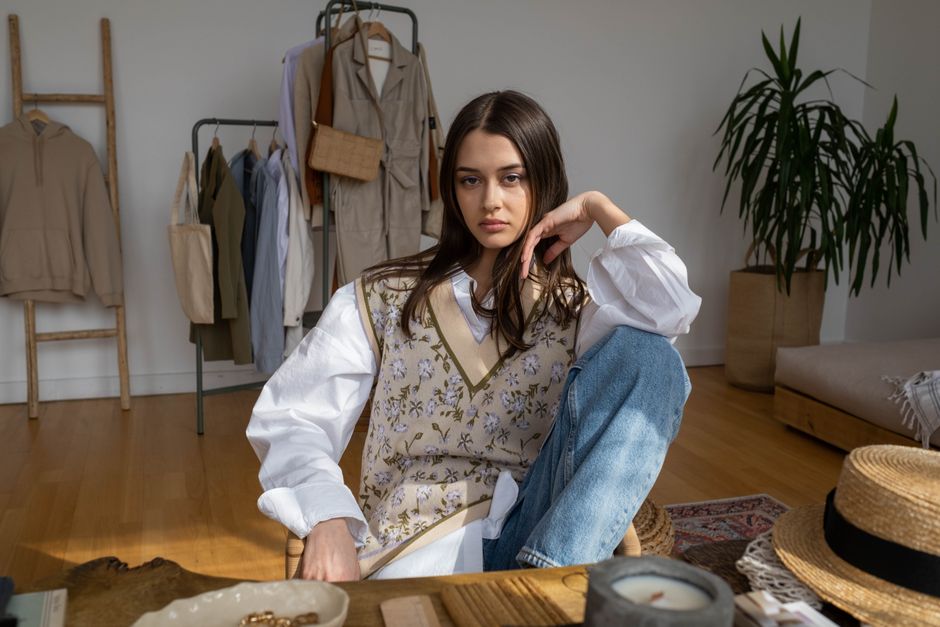
If you’re interviewing for a role where business casual is the norm, a sweater vest is a smart move. It’s memorable without being distracting. It shows you put thought into your appearance without looking like you spent two hours in front of a mirror.
My recommendation: start with a charcoal merino wool vest from J.Crew or Uniqlo, pair it with a white Oxford shirt from Everlane, and wear tailored trousers in black or navy. Keep the shoes simple — loafers or oxfords in brown or black. Skip the tie. Skip the blazer unless you need it.
I’ve worn this exact formula to three interviews and got two offers. That’s a 66% success rate. The one that didn’t work was my fault — wrong color, wrong texture. Learn from my mistake, not your own.