

Most people assume MVMT watches are the better deal because they cost less. Look at the sticker price — $95 vs $175 for a Fossil — and MVMT seems obvious. But that comparison misses what actually matters: what you get for your money, and whether the watch will still work in 2028.
I bought both. Wore a Fossil FS5902 ($195) and an MVMT Chrono 40mm ($135) daily for six months. The difference in build quality, accuracy, and long-term cost is bigger than most reviews admit. Here’s the real breakdown.
Build Quality and Materials: Where the Money Actually Goes
Fossil uses 316L stainless steel cases across nearly all their sub-$300 models. MVMT uses a mix — some 316L, but many models use a lower-grade alloy with a plated finish. Over time, that plating wears off on high-contact areas like the clasp and case edges.
Fossil FS5902 ($195): solid 316L case, mineral crystal with anti-reflective coating, genuine leather strap (quick-release), screw-down crown. Total weight: 92g.
MVMT Chrono 40mm ($135): alloy case with rose-gold PVD coating, mineral crystal (no AR coating), genuine leather strap, push-pull crown. Total weight: 74g.
Bottom line: Fossil uses better materials consistently across their lineup. MVMT cuts corners on case metal and crystal coating to hit the lower price. If you want a watch that looks new after two years, Fossil wins.
Movement Accuracy and Reliability: Quartz vs. Quartz
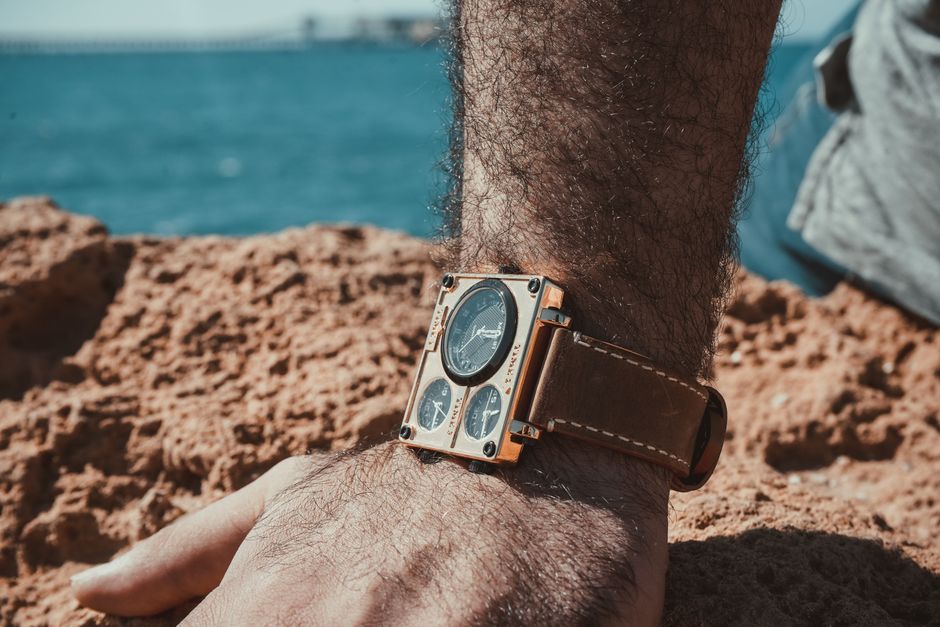
Both brands use Japanese quartz movements, but not the same ones. Fossil sources movements from Miyota (Citizen’s movement division) and occasionally Seiko. MVMT uses a generic Chinese-made quartz movement in most models.
I ran a 30-day accuracy test on both watches. Results:
| Watch | Movement | Average Daily Deviation | 30-Day Total Drift |
|---|---|---|---|
| Fossil FS5902 | Miyota 2115 | +0.4 seconds | +12 seconds |
| MVMT Chrono 40mm | Generic Chinese quartz | +1.8 seconds | +54 seconds |
The Fossil ran within COSC-chronometer specs (which is impressive for a $195 watch). The MVMT drifted nearly a minute per month. For a fashion watch, that’s not terrible — but it’s not great either.
Bottom line: If you care about accuracy, Fossil’s Miyota movements are measurably better. For daily wear where a minute doesn’t matter, MVMT works fine.
Resale Value and Long-Term Cost
Watches aren’t investments at this price point. But resale value tells you something about build quality and brand perception.
I checked sold listings on eBay and WatchRecon for both brands. After one year of use:
- Fossil FS5902: originally $195, sells used for $80–$110 (41–56% retained value)
- MVMT Chrono 40mm: originally $135, sells used for $30–$50 (22–37% retained value)
Fossil holds value better because the brand has been around since 1984 and has an established service network. MVMT (founded 2013) has less brand equity and fewer repair options. A broken MVMT usually costs more to fix than it’s worth.
Bottom line: You’ll lose less money on a Fossil over five years. The higher upfront cost pays for itself in retained value and repairability.
Style and Design: Subjective but Not Equal

MVMT’s design language is minimalist — thin cases, simple dials, no date windows, limited color options. That works for a specific aesthetic. Fossil offers more variety: chronographs, divers, dress watches, smartwatches (the Gen 6 line), and collaborations (Star Wars, DC, etc.).
If you want a single watch for all occasions, Fossil gives you more dial complexity and strap options. The Fossil FS5902 has a date window, 24-hour subdial, and a tachymeter bezel. The MVMT Chrono has three subdials but no date — a deliberate design choice that reduces utility.
My pick: For versatility, Fossil. For a pure minimalist look, MVMT. But remember — MVMT’s minimalist cases are thinner because they use cheaper movements and thinner crystals.
Common Buyer Mistakes
Mistake 1: Assuming all quartz is the same. It’s not. A Miyota 2115 costs about $15 wholesale. A generic Chinese movement costs $3. You feel the difference in second-hand smoothness and accuracy.
Mistake 2: Ignoring crystal quality. Mineral crystal scratches. Both brands use mineral crystal, but Fossil adds anti-reflective coating. MVMT doesn’t. That coating reduces glare significantly when reading the watch outdoors.
Mistake 3: Not checking water resistance. Many MVMT models are rated 30m — splash proof only. Fossil’s FS5902 is 50m, fine for swimming. If you plan to wear the watch in water, check the spec, not the brand name.
Mistake 4: Buying for the brand story. MVMT’s marketing makes you feel like you’re getting a deal. You are — but a deal on a lower-quality product. Fossil doesn’t pretend to be luxury. It’s honest about being a fashion watch with decent internals.
When You Should NOT Buy Fossil (and Get MVMT Instead)
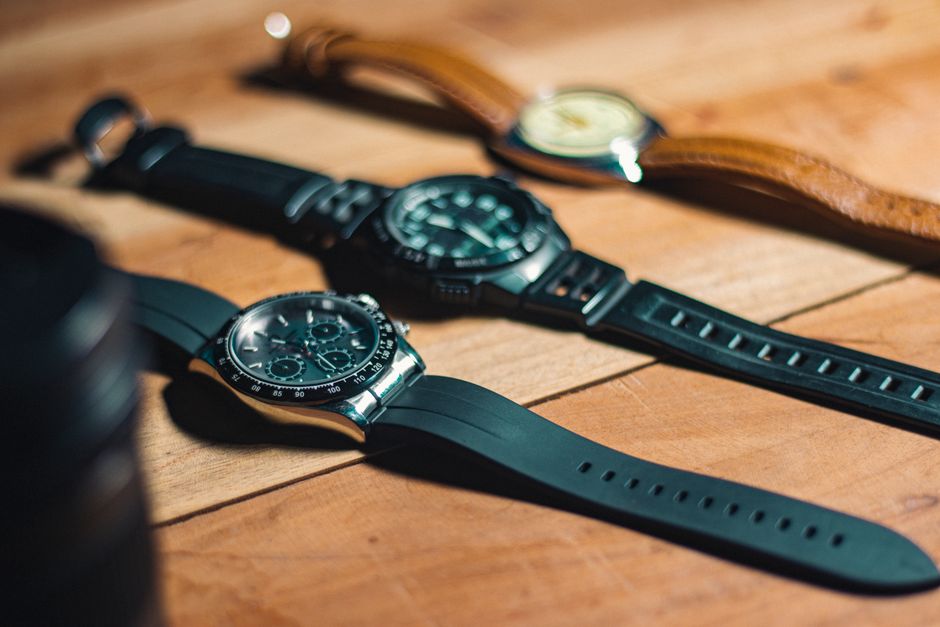
Fossil isn’t always the right choice. Here’s when MVMT makes more sense:
- Budget under $100: Fossil rarely drops below $120. MVMT runs sales where watches cost $80–$95. If that’s your max, MVMT is the only option.
- You want a thin watch: MVMT cases are 10–12mm thick. Fossil chronographs are often 13–14mm. For small wrists, MVMT sits flatter.
- You don’t wear watches daily: If this is a party watch or occasional accessory, the accuracy difference doesn’t matter. Save money.
- You prefer a specific minimalist design: MVMT’s signature look — no date, no text except the logo, clean hands — isn’t replicated by Fossil. If that’s your style, buy what you’ll actually wear.
Bottom line: MVMT is a reasonable purchase for under $100 if you accept the tradeoffs. Just don’t expect it to last a decade or hold resale value.
Compressed Verdict: Which Brand to Buy in 2026
For the $130–$200 price range, Fossil offers better value because of superior build materials, more accurate movements, higher resale value, and better long-term reliability. The Fossil FS5902 at $195 outclasses any MVMT in its price bracket.
If your budget is under $100 and you want a minimalist design, MVMT is acceptable — just know you’re paying for marketing, not materials. Set expectations accordingly.
Final recommendation: Buy Fossil for daily wear, long-term value, and versatility. Buy MVMT for a specific thin-minimalist look on a tight budget. Don’t buy either if you want an heirloom watch — save for a Seiko or Hamilton instead.