
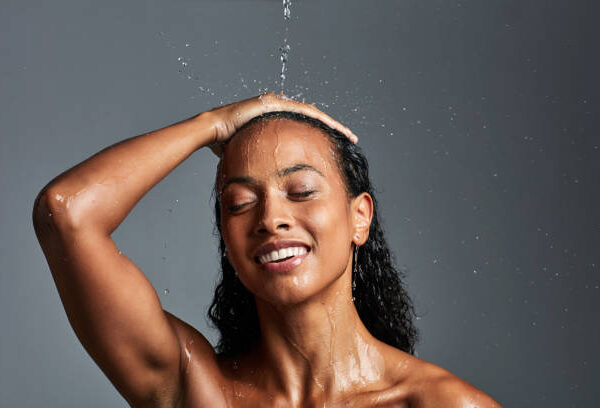
You spent $45 on a salon shampoo last month. Your hair still feels like straw. The problem isn’t the bottle — it’s how you’re using it. Most people damage their hair before the conditioner even touches it. The shower is where hair gets broken, dried out, and stripped of its natural oils. Fix the process first. Then watch the products actually work.
Why Your Current Shower Routine Is Killing Your Hair
Hot water feels great. It also opens the hair cuticle like a pinecone in a fire. When the cuticle lifts, moisture escapes and dirt gets in. The result? Frizz, breakage, and dullness within weeks.
Water temperature is the single most overlooked factor in hair health. Dermatologists at the American Academy of Dermatology recommend lukewarm water — around 98-100°F (37-38°C). That’s barely warm. Most household water heaters output 120°F. You’re cooking your hair.
Second mistake: washing frequency. The average person washes their hair 4-5 times per week. For most hair types, that’s 2-3 times too many. Over-washing strips sebum — the scalp’s natural moisturizer. Your scalp then overproduces oil to compensate, creating a vicious cycle of greasy roots and dry ends.
Third mistake: aggressive scrubbing. Nail-on-scalp scrubbing damages the hair follicle and irritates the skin. You want fingertip pressure, not a deep tissue massage. Think gentle circular motions, not digging for treasure.
The Water Temperature Sweet Spot
Test this tomorrow: turn the shower handle to the coolest setting you can tolerate. Wash your hair there. You’ll notice less frizz immediately. The cuticle closes under cooler water, locking in the conditioner you just applied. It’s the same principle as a cold rinse after a perm — seals the hair shaft.
How Often Should You Actually Wash?
Here’s the short version based on hair type:
- Fine, straight hair: Every 2-3 days. Oil travels down the shaft quickly.
- Wavy or medium texture: Twice per week. Dry shampoo can stretch it to day 4.
- Curly or coily hair: Once per week or less. These textures need the natural oils to stay flexible.
- Oily scalp: Every other day. But use a gentle sulfate-free shampoo, not a harsh clarifying one.
If you’re washing daily because you feel dirty, you’re probably using the wrong shampoo for your scalp type. More on that below.
The Correct Order of Operations for a Hair-Healthy Shower
Most people shampoo, condition, then rinse. This is backward for maximum benefit. Here’s the sequence that actually works, backed by trichologists and hair chemists.
Step 1: Brush before you wet your hair. Detangling dry hair prevents breakage when it’s weakest — wet. Wet hair stretches 30% more than dry hair before snapping. Get the knots out first with a wide-tooth comb or a wet brush designed for dry detangling.
Step 2: Rinse with lukewarm water for 60 seconds. This pre-wets the hair and removes surface debris. Don’t shampoo yet. Let the water run through from roots to ends.
Step 3: Condition first (yes, before shampoo). This is called reverse washing. Apply conditioner to the mid-lengths and ends. Let it sit for 2-3 minutes. Then rinse. This pre-protects the hair shaft from the stripping effects of shampoo. It works especially well for fine hair that gets weighed down by traditional conditioning.
Step 4: Shampoo only the scalp. Pour a quarter-sized amount of shampoo into your palm. Lather between your hands. Apply to the scalp only. The suds will run down the lengths as you rinse — that’s enough cleaning for the ends. Scrubbing shampoo into your ends is what causes that straw feeling.
Step 5: Final cool rinse. Turn the water to cool for 15-20 seconds. This closes the cuticle and adds shine. It’s the cheapest hair gloss treatment you’ll ever use.
Why Reverse Washing Changed My Hair
I have fine, straight hair that gets greasy by day two. Conditioner always made it limp. Reverse washing solved that. The conditioner protects the ends, the shampoo cleans the roots, and the hair stays voluminous. It’s not a marketing gimmick — it’s basic chemistry. Conditioner molecules are larger and positively charged. Shampoo molecules are smaller and negatively charged. Shampoo can’t strip conditioner that’s already bonded to the hair.
Shampoo and Conditioner: What the Bottles Don’t Tell You
Marketing claims mean nothing. Ingredient lists tell the truth. Here’s what to look for and what to avoid, based on actual cosmetic chemistry, not ad copy.
| Ingredient | Purpose | Who Should Avoid It |
|---|---|---|
| Sodium Lauryl Sulfate (SLS) | Strong cleanser, creates big lather | Color-treated, curly, or dry hair |
| Sodium Laureth Sulfate (SLES) | Milder than SLS, still stripping | Sensitive scalps, frequent washers |
| Cocamidopropyl Betaine | Gentle cleanser from coconut oil | Safe for most hair types |
| Dimethicone | Silicone that coats hair for smoothness | Fine hair (causes buildup and limpness) |
| Hydrolyzed Keratin | Protein to strengthen hair shaft | Already brittle or over-processed hair (too much protein = snap) |
| Glycerin | Humectant that draws moisture in | Low-humidity climates (can pull moisture OUT of hair) |
Bottom line on sulfates: If you have oily hair and wash twice a week, SLS is fine. If you have curly, coily, or color-treated hair, avoid it. Look for “sulfate-free” on the front label. Brands like Briogeo, Olaplex, and Kérastase make reliable sulfate-free options. The Briogeo Scalp Revival shampoo ($42 for 16 oz) uses charcoal and coconut oil-based cleansers. It’s expensive but lasts 3-4 months with 2x weekly use.
Bottom line on silicones: Dimethicone gives instant slip and shine. But it builds up. If you use silicones, you need a sulfate shampoo once a month to remove the residue. Or switch to water-soluble silicones like PEG-8 Dimethicone. The Olaplex No. 4 Bond Maintenance Shampoo ($30 for 8.5 oz) uses no silicones and no sulfates. It’s the safest bet for most hair types.
Three Common Shower Mistakes That Cause Hair Breakage
I made all three of these. Each one cost me months of regrowth.
Mistake 1: Wringing out wet hair with a towel. Rubbing a towel back and forth creates friction that lifts the cuticle and snaps strands. Wet hair is at its weakest. Instead, gently squeeze excess water from your hair, then wrap it in a microfiber towel or an old cotton t-shirt. Microfiber absorbs faster with less friction. A Kitsch Microfiber Hair Towel costs $12 on Amazon and lasts a year.
Mistake 2: Brushing wet hair with a fine-tooth brush. Wet hair stretches like elastic. A fine-tooth brush catches on every knot and pulls. Use a wide-tooth comb or a Wet Brush ($9, available at drugstores) designed with flexible bristles that bend instead of yanking. Start at the ends and work up to the roots.
Mistake 3: Leaving conditioner on too long. 3-5 minutes is the sweet spot. Beyond that, the conditioner molecules can actually start to reverse-bind and leave a film. You don’t need 10 minutes unless you’re using a deep conditioning mask with heat. The Olaplex No. 5 Bond Maintenance Conditioner ($30 for 8.5 oz) works in 3 minutes flat. Set a timer.
When NOT to Condition
If you have very fine, limp hair that looks greasy by noon, skip conditioner entirely once or twice a week. Use a lightweight leave-in spray instead. The Bumble and Bumble Invisible Oil Primer ($29 for 4 oz) detangles without weight. It’s a conditioner alternative for people who hate conditioner.
Hard Water vs. Soft Water: Which Is Ruining Your Hair?
This is the hidden variable nobody talks about. Hard water contains calcium and magnesium minerals. They bind to your hair and create a film that blocks moisture from penetrating. The result: dry, brittle hair that doesn’t respond to conditioner. Soft water has these minerals removed, so products lather better and rinse more cleanly.
You can test your water hardness for free. Most municipal water utilities publish annual reports online. Or buy a Water Hardness Test Strip Kit ($10 on Amazon) that gives you a number in grains per gallon (gpg).
- 0-3 gpg: Soft water. You’re fine. Use less shampoo — it lathers more.
- 3-7 gpg: Moderately hard. Consider a shower head filter. The AquaBliss High Output Shower Filter ($35 on Amazon) reduces chlorine and heavy metals. It won’t remove all hardness, but it helps.
- 7+ gpg: Very hard. You need a chelating shampoo once a week to remove mineral buildup. The Malibu C Hard Water Wellness Shampoo ($16 for 8 oz) contains EDTA and Vitamin C to dissolve mineral deposits. Use it every 7-10 days, not daily.
The verdict: If you live in the Southwest or Midwest US, you almost certainly have hard water. A shower filter costs $35 and lasts 6 months. It’s the cheapest hair investment you can make. I noticed less frizz and more shine within two washes.
How to Dry Your Hair Without Destroying It
What happens after the shower matters as much as what happens during it. Here’s the exact process I use, and it cut my breakage by about 60% over three months.
Step 1: Blot, don’t rub. Use a microfiber towel or t-shirt. Press the towel against your hair in sections. Let it absorb for 30 seconds. Don’t move the towel back and forth.
Step 2: Apply heat protectant before any heat. Not after. Not during. Before. The Bumble and Bumble Hairdresser’s Invisible Oil Heat/UV Protective Primer ($29 for 4 oz) protects up to 450°F. Spray it on damp hair from mid-lengths to ends. Comb through to distribute.
Step 3: Air dry 80% of the way. Let your hair air dry until it’s damp, not soaking. Then blow dry. This reduces heat exposure time by half. If you have thick hair, this might take 45 minutes. Plan for it.
Step 4: Blow dry on low heat with a concentrator nozzle. High heat weakens the hair’s protein bonds over time. Keep the dryer 6 inches from your hair. Point the nozzle downward to smooth the cuticle. The Dyson Supersonic ($430) has intelligent heat control that measures temperature 40 times per second. It’s expensive. But if you blow dry daily, it’s cheaper than repairing damaged hair every 6 weeks.
Step 5: Finish with a cool shot. Every hair dryer has a cool button. Use it for 10 seconds on each section. This sets the style and closes the cuticle for shine.
When Air Drying Is Actually Worse
Air drying seems gentler. It’s not always. If your hair is thick or curly, staying wet for 2+ hours can cause hygral fatigue — the hair swells and contracts repeatedly as it dries, weakening the structure. For these hair types, a low-heat blow dry is actually less damaging than a long air dry. Use the Dyson Supersonic or the Shark HyperAIR ($250) which uses IQ speed technology to dry faster without extreme heat.
One Final Recommendation: The 30-Day Shower Reset
Here’s what I’d do if I were starting over with damaged hair today. Follow this for 30 days. Take a before photo. Compare at day 30.
- Install a shower filter (AquaBliss, $35). Change the cartridge after 6 months.
- Switch to a sulfate-free shampoo (Briogeo Scalp Revival, $42, or Olaplex No. 4, $30). Use it twice per week max.
- Use a lightweight conditioner (Olaplex No. 5, $30, or Bumble and Bumble Invisible Oil Primer as leave-in, $29). Apply only to mid-lengths and ends.
- Wash with lukewarm water. Final rinse with cool water for 15 seconds.
- Dry with a microfiber towel (Kitsch, $12). No rubbing.
- Use heat protectant (Bumble and Bumble Invisible Oil, $29) before any heat styling.
- Blow dry on low heat with a concentrator nozzle, finishing with cool shot.
Total upfront cost: about $180. That’s less than two salon visits for damage repair. After 30 days, you’ll have stronger, shinier hair that actually holds moisture. The products don’t matter if the process is wrong. Fix the process first.