
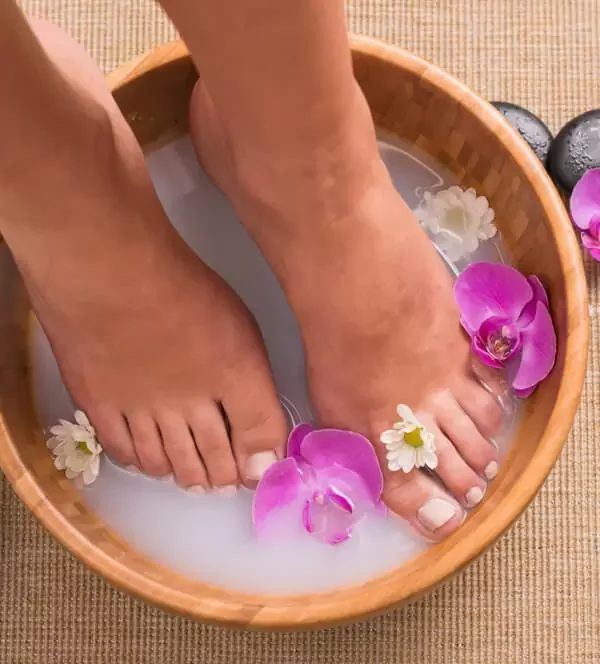
I spent three years cycling through every foot soak trend you can name. Epsom salt baths, vinegar dips, essential oil concoctions, even those fizzy bath bombs that cost $8 each. Most of them did nothing. A few genuinely helped. This is what I learned about maximizing the benefits of foot soaks and treatments without wasting time or money.
Why Most Foot Soaks Fail (and How to Fix Yours)
The problem is almost always temperature and duration. People soak for 5 minutes in lukewarm water and expect miracles. That’s not how it works.
For muscle recovery, you need water at 38°C to 40°C (100°F to 104°F) for at least 20 minutes. For skin softening, 15 minutes at 35°C is plenty. Anything hotter than 42°C damages skin and dries it out faster.
The second mistake is using the wrong additive. Epsom salt is great for sore muscles but does almost nothing for foot odor. Apple cider vinegar kills fungus but will burn cracked skin. You need to match the soak to the problem.
Here’s the rule I settled on: one problem per soak. Don’t mix Epsom salt, vinegar, and essential oils unless you know exactly what you’re doing. I ruined a pair of favorite socks by mixing baking soda and lavender oil — the residue never washed out.
The Only Three Foot Soak Recipes You Need
After testing about 15 combinations, these three recipes cover 90% of foot problems. I keep each pre-mixed in a glass jar.
For Sore Feet After Standing All Day
Recipe: 1/2 cup Dr. Teal’s Epsom Salt (the unscented one, about $6 for 3 lbs) + 1/4 cup baking soda. Water at 39°C. Soak for 20 minutes exactly.
The magnesium in Epsom salt reduces inflammation. Baking soda softens calluses. I add 5 drops of peppermint essential oil (Now Foods brand, $9 for 30ml) for the cooling effect. This is the only soak I use after 10-hour days on concrete floors.
For Dry, Cracked Heels
Recipe: 1/4 cup apple cider vinegar (Bragg’s, with the mother) + 1 tablespoon honey. Water at 35°C. Soak for 15 minutes. Then immediately apply Aveeno Daily Moisturizing Lotion while feet are still damp.
The vinegar’s acidity loosens dead skin. Honey is a humectant. I went from heels that caught on bedsheets to smooth heels in about 6 weekly soaks. Do not use this if you have open cracks — it stings like hell.
For Smelly Feet (Hyperhidrosis or Just Bad Shoes)
Recipe: 2 black tea bags (Lipton or any cheap brand) steeped in 2 cups boiling water, then diluted into a basin of warm water. Soak for 20 minutes. The tannic acid kills odor-causing bacteria.
I was skeptical. Then I tried it after a week of wearing leather boots without socks. The smell was gone after two soaks. Tea works better than any deodorizing foot spray I’ve tried, and costs pennies.
When NOT to Soak Your Feet
This section matters more than the recipes. Soaking is not always good.
Do not soak if:
- You have open wounds, blisters, or cuts. Water softens tissue and invites infection.
- You have diabetes. Nerve damage means you can’t feel water temperature accurately. Burns happen fast. Check with your doctor first.
- You have eczema or psoriasis flare-ups. Soaking can strip natural oils and make itching worse. I learned this the hard way after a week of daily soaks left my feet red and angry.
- You just got a pedicure. Wait 24 hours. The cuticles need time to seal.
One more thing: don’t soak for more than 30 minutes ever. Your skin starts to macerate (wrinkle and break down) after that. I did a 45-minute soak once thinking “more is better.” My feet looked like prunes for two hours and felt raw for two days.
What to Do After the Soak (This Is Where People Fail)
The soak opens pores and softens skin. If you stop there, you wasted your time. Post-soak care is 50% of the benefit.
Immediately after drying your feet (pat dry, don’t rub), apply a thick moisturizer. I use CeraVe Moisturizing Cream ($16 for 16 oz) because it has ceramides that lock in moisture. Then put on cotton socks for 30 minutes. This traps the moisture and drives it into the skin.
For calluses, use a pumice stone while feet are still wet. The Dr. Scholl’s Two-Sided Pumice Stone ($5) works fine. Gently file in one direction only. Do not scrub back and forth — that tears skin.
For toenails, trim them straight across after soaking. They’re softer and less likely to split. I use Tweezerman toenail clippers ($14) and never cut into the corners to avoid ingrown nails.
Skip the fancy foot masks and peel-off treatments. They’re expensive and often contain peeling agents that damage healthy skin along with dead skin. A good soak + moisturizer + socks does the same thing for less money.
Comparing Soak Additives (Which One for Which Problem)
Here’s a table I wish I had when I started. It saves you from mixing random things together.
| Additive | Best For | Price (approx.) | Warning |
|---|---|---|---|
| Epsom salt (magnesium sulfate) | Sore muscles, inflammation, swelling | $5-7 for 3 lbs | Can dry skin if used more than 3x/week |
| Apple cider vinegar | Dry skin, calluses, mild fungus | $3-5 for 32 oz | Stings on cracked skin; dilute 1:4 with water |
| Baking soda | Softening calluses, deodorizing | $1 for 1 lb | Can irritate sensitive skin; rinse thoroughly |
| Black tea | Foot odor, bacterial overgrowth | $2 for 100 bags | Stains tub and towels; use a dark basin |
| Peppermint essential oil | Cooling, pain relief, energy | $8-12 for 30ml | Never use undiluted; 5 drops max per basin |
| Lavender essential oil | Relaxation, mild antifungal | $8-12 for 30ml | Can cause skin sensitivity; patch test first |
My personal pick for an all-around soak is Epsom salt with 3 drops of peppermint oil. It handles soreness, smells good, and doesn’t stain anything. For odor, tea bags beat everything else by a wide margin.
How Often Should You Actually Soak?
The internet says “daily” for everything. That’s wrong.
For sore feet (athletes, retail workers, anyone on their feet all day): 2-3 times per week. More than that and you risk drying out your skin. I do Monday, Wednesday, Friday after work.
For dry skin / cracked heels: once per week. The vinegar is acidic and can strip natural oils if overused. Six weeks of weekly soaks fixed my heels completely. Now I maintain with once every two weeks.
For odor control: 2-3 times per week for the first two weeks, then once per week for maintenance. The tea soaks are gentle enough for frequent use, but you don’t need them once the bacteria population is under control.
For general relaxation: once per week, max. Treat it like a bath, not a daily chore. Over-soaking makes your feet dependent on external moisture and reduces their natural barrier function.
I keep a small notebook where I log soak dates and results. It sounds obsessive, but it helped me notice that my feet actually felt worse when I soaked more than 3 times a week. Less really is more.
When a Foot Soak Isn’t the Answer
Sometimes a soak is the wrong tool entirely. Here’s when to skip it and do something else.
- Athlete’s foot that won’t go away: Soaks can help with mild cases, but if you’ve had it for more than 2 weeks, get an over-the-counter antifungal cream like Lotrimin AF ($10). I wasted a month on vinegar soaks before realizing I needed medicine.
- Ingrown toenails: Soaking softens the skin but doesn’t fix the nail. You need to lift the nail edge gently with a clean tool or see a podiatrist. Soaking alone made mine worse by softening the skin around the nail.
- Swelling from injury (sprain, fracture): Ice, not heat. Soaking in warm water increases blood flow and can make swelling worse. For the first 48 hours after an injury, use ice packs for 15 minutes on, 15 minutes off.
- Plantar warts: Soaking does nothing. You need salicylic acid treatments (Compound W, $8) or cryotherapy. I tried tea tree oil soaks for 3 months with zero results.
Foot soaks are a maintenance tool, not a cure-all. If you have a persistent problem that doesn’t improve in 2-3 weeks of consistent soaking, see a podiatrist. I waited 8 months to get a heel spur diagnosed because I thought soaking would fix it. It didn’t.
Quick Summary: My Picks After Three Years
- Best for sore feet: Dr. Teal’s Epsom salt + peppermint oil, 20 minutes at 39°C, 3x/week
- Best for dry heels: Bragg’s apple cider vinegar + honey, 15 minutes at 35°C, 1x/week
- Best for odor: Black tea bags, 20 minutes, 2-3x/week for 2 weeks then 1x/week maintenance
- Best post-soak moisturizer: CeraVe Moisturizing Cream, applied to damp skin, covered with cotton socks for 30 minutes
- Best pumice stone: Dr. Scholl’s Two-Sided Pumice Stone ($5) — cheap and effective
Foot soaks work. But only when you match the recipe to the problem, control the temperature and duration, and follow up with proper care. Skip the $15 bath bombs and fizzy tablets. The cheap stuff in your kitchen cabinet does the job better.