
Most women buy a biker jacket because they saw someone cool wearing one. Then it sits in the closet — too stiff, too boxy, too heavy, or the sleeves bunch weirdly when you bend your arms. The problem isn’t the jacket. It’s that you picked the wrong one for your body and your life.
A biker jacket is a functional piece of clothing. It was designed to protect a rider at highway speeds. That means thick leather, snug arms, and a short waist that doesn’t flap in the wind. But if you’re wearing it to brunch or the office, those same features can make you miserable. This guide walks you through the exact specs that matter — cut, leather weight, hardware, and lining — so you buy one jacket that fits right the first time.
Why Most Biker Jackets Fit Women Poorly (and How to Fix It)
The classic biker jacket pattern was designed for a male torso: broader shoulders, longer arms, narrower hips. When brands simply shrink that pattern, women end up with armholes that gape, shoulders that slide off, and a waist that hangs loose instead of hugging.
Three specific fit problems happen every time:
- Shoulder width too wide. The seam should sit exactly at the edge of your shoulder bone. Not an inch past. If you can pinch more than half an inch of fabric between your shoulder and the seam, the jacket is too big. Brands like Schott NYC (the original biker jacket maker since 1913) offer women’s cuts with narrower shoulder measurements — their Perfecto 626V has a 15.5-inch shoulder in size small versus 17 inches on the men’s 618.
- Sleeves too long. The cuff should hit your wrist bone. Period. Longer sleeves look sloppy and catch on everything. AllSaints Balfern jacket ($495) runs sleeves 24 inches in small — that’s short enough for most women under 5’6″.
- Waist too loose. A biker jacket should taper at your natural waist. If it hangs straight down, you lose the silhouette. Look for jackets with adjustable side belts — The Arrivals Ryder jacket ($695) has two 1-inch belts per side that let you cinch the waist up to 3 inches tighter.
One more thing nobody talks about: armhole height. Low armholes (cut closer to the waist) restrict arm movement. High armholes (cut closer to the armpit) let you reach forward without pulling the whole jacket up. The best women’s biker jackets have armholes at least 7.5 inches from the shoulder seam. Measure your current jacket — if you can’t raise your arms above your head without the jacket riding up, the armholes are too low.
Leather Types: Lambskin vs Cowhide vs Goatskin (Real Numbers)

Leather weight determines everything about how a jacket feels, moves, and ages. Here’s the breakdown with exact thicknesses and prices from real brands.
| Leather Type | Thickness | Weight per jacket (size M) | Break-in time | Best for | Example brand & price |
|---|---|---|---|---|---|
| Lambskin | 0.5–0.8 mm | 1.5–2 lbs | 1–2 weeks | Everyday wear, driving, dinner out | AllSaints Balfern ($495) |
| Cowhide | 1.2–1.8 mm | 3.5–4.5 lbs | 4–8 weeks | Motorcycle riding, cold weather | Schott Perfecto 626V ($795) |
| Goatskin | 0.8–1.2 mm | 2.5–3 lbs | 2–3 weeks | Riding + daily wear hybrid | Belstaff Trialmaster ($995) |
Lambskin is the most comfortable from day one. It’s soft, lightweight, and molds to your body after a week of regular wear. The tradeoff? It tears more easily. A sharp corner or a cat’s claw can leave a permanent mark. AllSaints uses lambskin for their Balfern line, and it’s the most popular women’s biker jacket on the market for a reason — it feels like a worn-in jacket the first time you put it on.
Cowhide is the tank. It will outlive you. But it’s heavy, stiff, and takes a month of daily wear to stop feeling like a suit of armor. Schott’s cowhide jackets are legendary for durability — riders crash in them and walk away. If you plan to actually ride a motorcycle, get cowhide. If you’re wearing it to the grocery store, skip it.
Goatskin splits the difference. It’s tougher than lambskin but lighter than cowhide. Belstaff’s Trialmaster uses waxed goatskin that develops a beautiful patina over time. It costs more — around $995 — but you get a jacket that works for riding and looks good at a bar.
Hardware and Lining: The Details That Make or Break a Jacket
Zippers, snaps, and lining fabric are where cheap jackets fail. A $150 jacket from a fast-fashion brand will have zinc zippers that jam after six months and polyester lining that makes you sweat. Here’s what to look for.
Zippers
YKK zippers are the industry standard. They cost about $3–$8 per zipper for brands to buy. Cheap jackets use unbranded zippers that cost $0.50. YKK zippers have a smooth action and rarely fail. Schott uses Talon zippers (a step above YKK) on their Perfecto line — those are the same zippers used on original 1950s motorcycle jackets. On a women’s jacket, the main front zipper should be at least #8 gauge (teeth 5mm wide). Smaller gauges (#5 or #3) break under tension.
Snaps and buttons
Lapel snaps keep the collar down. Pocket snaps keep your stuff inside. Cheap snaps pop open when you lean forward. Test them in the store: snap and tug hard. If they release with less than 5 pounds of force, they’ll fail within a year. The Arrivals uses heavy-duty nickel snaps rated for 15 pounds of pull force.
Lining
Viscose or cupro lining breathes. Polyester lining traps heat and sweat. AllSaints uses a 100% cupro lining in their Balfern jacket — it’s smooth, breathable, and doesn’t stick to your arms. Belstaff uses cotton twill lining, which is even more breathable but adds $100–$200 to the cost. Avoid jackets with fully synthetic lining if you live in a climate above 60°F.
One lining trick: If you want a jacket that works in both fall and winter, look for a jacket with a zip-out liner. Schott’s 626V has a snap-in quilted liner that adds about 10°F of warmth. Removing it drops the jacket weight from 4.2 lbs to 3.1 lbs.
Three Mistakes That Turn a Biker Jacket Into a Closet Orphan

You’ve seen these women. They spent $600 on a jacket and wore it twice. Here’s why — and how to avoid it.
Mistake #1: Buying too tight because “leather stretches.” Leather stretches about half a size in the shoulders and sleeves. It does NOT stretch in the chest or waist. If you can’t zip it up without pulling, it will never fit. Period. You need at least 1 inch of space between your chest and the zipper when it’s closed. Try this: zip the jacket, then raise both arms to shoulder height. If the jacket pulls up more than 2 inches above your waistband, it’s too small.
Mistake #2: Ignoring sleeve taper. Biker jackets have narrow sleeves by design. But some brands cut sleeves so tight that you can’t layer a sweater underneath. Check the sleeve width at the bicep. You should be able to pinch 1 inch of fabric when your arm is straight. If you can’t pinch any, you won’t be able to wear it over anything thicker than a t-shirt.
Mistake #3: Matching the jacket to your pants instead of your shoes. A biker jacket changes the visual weight of your upper body. If you wear it with wide-leg pants, you look like a triangle — broad shoulders, wide hips. The classic pairing is slim jeans or a pencil skirt. The jacket’s cropped length (typically 18–20 inches from shoulder to hem) works best with high-waisted bottoms. Measure your jacket’s length before buying. If it’s longer than 22 inches, it’s not a true biker jacket — it’s a moto-inspired blazer, and it won’t create the same silhouette.
When Not to Buy a Biker Jacket (and What to Get Instead)
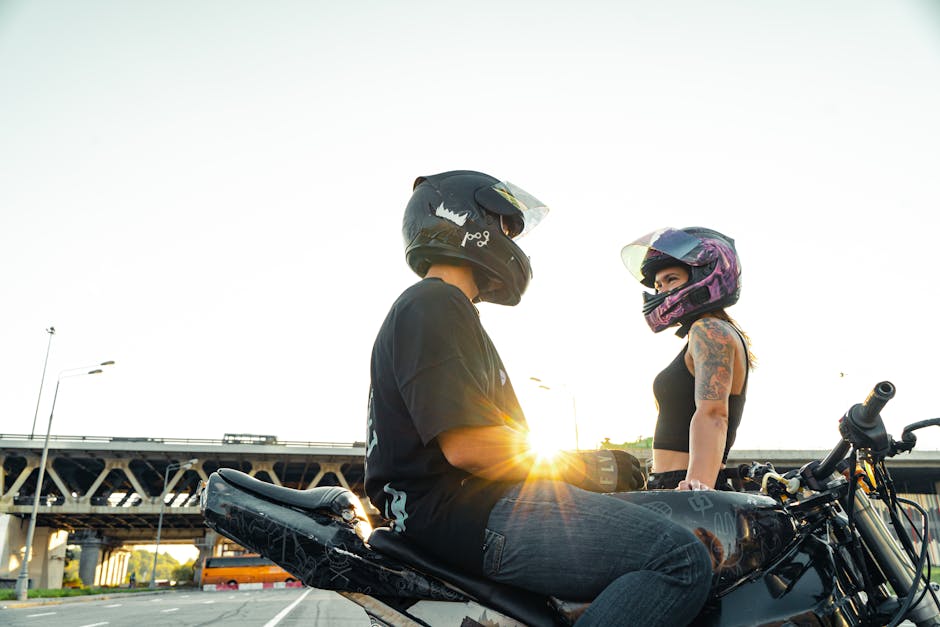
A biker jacket is not for everyone. Here are three situations where you should skip it entirely.
If you live in a climate above 75°F for more than 8 months a year, a leather biker jacket is a waste of money. You’ll wear it maybe 10 days annually. Instead, buy a cotton twill moto jacket — same silhouette, half the weight. The Madewell Transport Moto Jacket ($168) is 100% cotton, breathes well, and costs a third of what leather does. It doesn’t have the same edge, but you’ll actually wear it.
If you have broad shoulders and a narrow waist, most off-the-rack biker jackets will fit your shoulders but gap at your waist. The solution is a custom-made jacket from a brand like Johnson Leathers in San Francisco. Their custom women’s biker jacket starts at $1,200 and takes 6–8 weeks. You send them your measurements, and they build the jacket to your exact shoulder width, arm length, and waist taper. That’s not an option for everyone, but it’s the only way to get a perfect fit if standard sizes don’t work.
If you need a jacket for actual motorcycle riding, fashion biker jackets are not safe. They lack CE-rated armor in the elbows, shoulders, and back. Dainese and Alpinestars make women’s riding jackets with real armor pockets and abrasion-resistant stitching. The Dainese Women’s New Drake Air Jacket ($450) has composite armor in the elbows and shoulders, a back pocket for an optional insert, and perforated leather for airflow. It doesn’t look as cool as a Schott, but it will save your skin in a slide.
One last thing: the best biker jacket is the one you actually put on. If you’re hesitating because it’s too stiff, too heavy, or too expensive, trust that hesitation. Wait for the jacket that feels right the moment you zip it up. That’s the one you’ll wear for the next ten years.