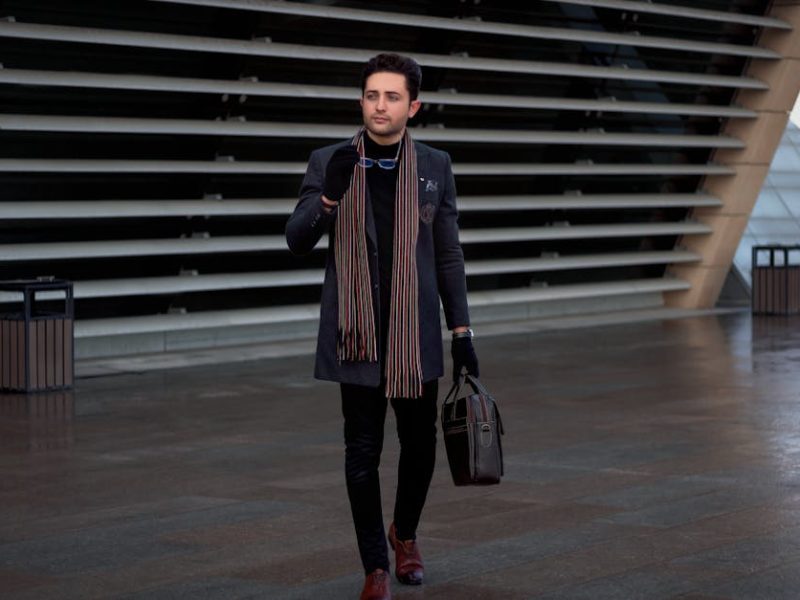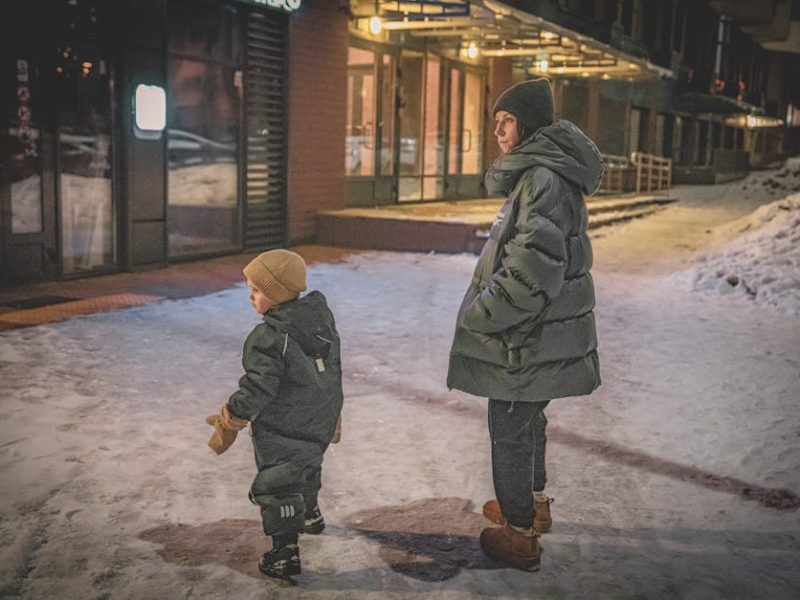
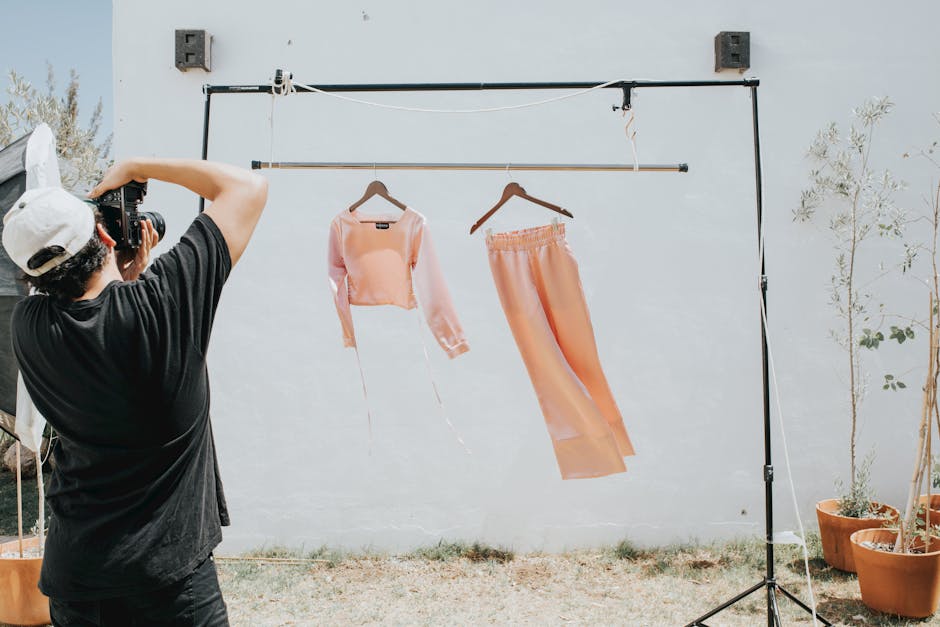
Minimalism in fashion photography catches exactly half the people who attempt it off guard. They strip everything down, point a camera, and get back images that look like product shots for a discount clothing website. Clean, yes. Interesting? Not at all.
The aesthetic is precise. Done right, a single white shirt against a grey wall becomes a complete visual statement. Done wrong, it just looks like you forgot to style the shoot.
Here’s what separates a minimalist fashion shoot that works from one that falls flat — starting with what the aesthetic demands, and ending with the mistakes that undermine it most reliably.
What Minimalist Fashion Photography Actually Demands
Most people define minimalism by subtraction: fewer props, fewer colors, less background. That definition will get you boring pictures every time. Minimalism in fashion photography is about intentionality, not reduction. Every element in the frame has to carry weight precisely because there’s nothing else carrying it.
This shifts the entire burden onto three things: the garment, the light, and the frame. A busy editorial can hide weak composition behind interesting props or a compelling location. A minimalist shoot cannot. The composition IS the statement.
The Aesthetic Has a Specific Visual Language
A proper minimalist fashion shoot shares a handful of visual signatures. A restricted color palette — usually two or three tones maximum, often anchored in neutrals. Clean backgrounds that don’t compete with the clothing. Negative space used deliberately, not accidentally. Garments with strong silhouettes or interesting construction details. And lighting that shapes rather than just illuminates.
The visual references that define this aesthetic aren’t random. Celine under Phoebe Philo. Jil Sander lookbooks from the late 90s. Lemaire’s seasonal campaigns. Calvin Klein’s iconic 90s work. All of them use restraint as a deliberate tool. They don’t look empty because every choice was made with intention.
Pull those references before you go anywhere near a camera. Understanding the visual language of minimalism isn’t optional — it’s the foundation everything else is built on.
Why Less Clothing Doesn’t Mean Less Preparation
This is where most shoots fail before the shutter fires. The assumption is that fewer styling decisions means less prep. It’s the opposite.
When you have three items in the frame, each one is under full scrutiny. A slightly wrong fit reads as a mistake. A texture that photographs poorly is the only texture in the shot. A color that shifts under artificial light becomes the entire color story of the image. Steaming garments is non-negotiable. Fit adjustments — clips, tape, pins — that would be invisible in a busier frame are visible here. The model’s posture matters more, because there’s no visual distraction to pull the eye away from a collapsed shoulder or a dropped chin. You’re working with a finer margin for error in every department.
The Clothing Equation: What Shoots Cleanly and What Doesn’t
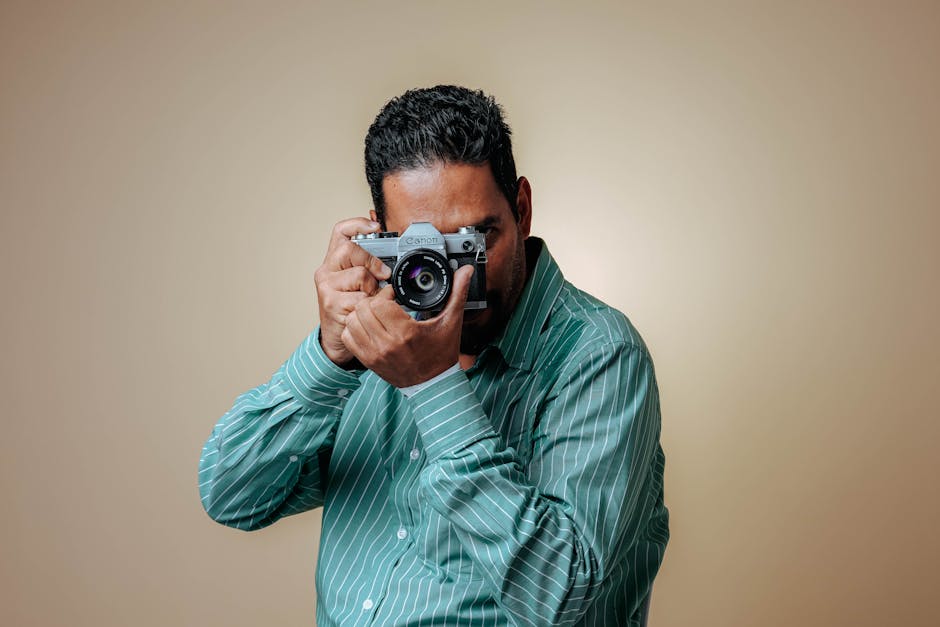
Not all minimalist garments photograph the same way. Some fabrics and silhouettes were built for this aesthetic. Others look like minimalism in person and fall apart on camera. Here’s how the key variables break down.
| Garment Type | Works for Minimalist Shoot? | Notes |
|---|---|---|
| Structured blazer (COS, Toteme) | Yes — strong silhouette | Shoulder seams must be perfect; fit is everything |
| Oversized cotton shirt | Yes — if pressed and styled | Wrinkles photograph at 10x real-life intensity |
| Ribbed knitwear (Arket, Uniqlo) | Yes — texture without pattern | Works particularly well with directional side lighting |
| Printed or patterned fabric | Rarely | Pattern competes with negative space; breaks palette control |
| Sheer or semi-transparent fabric | Yes — but technically demanding | Requires careful light positioning; can read beautifully when done right |
| Standard-wash denim | Sometimes | Mid-wash indigo disrupts a neutral palette; raw or black denim is safer |
| Silk or satin (The Row, Lemaire) | Yes — high reward, high risk | Reflects light in ways that can reveal or destroy the shot depending on angle |
| Athleisure or logoware | No | Branding breaks visual silence; logos create focal points you can’t control |
Which Fabrics Read Best on Camera
Dense, matte fabrics — wool-cashmere blends, structured cotton, heavy linen — absorb light in ways that create depth without shine. They hold their shape and read cleanly at every focal length. Ribbed knits from Arket or Uniqlo’s premium cotton line photograph well at a fraction of the price of luxury alternatives.
Silk and satin are high-stakes. When a silk blouse catches the light at the right angle, it creates luminosity no other fabric replicates. But position the model two degrees wrong, and you get a blown highlight across the front of the garment that flattens everything. Use these fabrics when you have full control over the light — studio or controlled window light, not open shade with inconsistent direction.
The Color Palette That Dominates This Aesthetic
Off-white, ecru, stone, warm grey, black, camel, and deep navy. Those seven tones cover approximately 80% of minimalist fashion shoot palettes. They photograph neutrally, layer without visual conflict, and give the garment silhouette maximum clarity against most backgrounds.
Accent colors work when they’re deliberate. A single rust-toned piece in an otherwise grey palette creates contrast without chaos. What doesn’t work: two competing accent colors, or any color that photographs differently than it reads in person. Electric blue and magenta are particularly problematic — they shift under artificial light and dominate whatever they’re near.
The One Rule That Overrides Everything Else
If the garment’s silhouette doesn’t read clearly in a thumbnail, the shoot has failed. Every decision — background choice, lighting angle, pose, negative space — should be evaluated against one question: does this make the clothing’s shape more or less legible? Minimalism makes no sense if the actual fashion disappears into the frame.
Background, Light, and Location Choices That Work
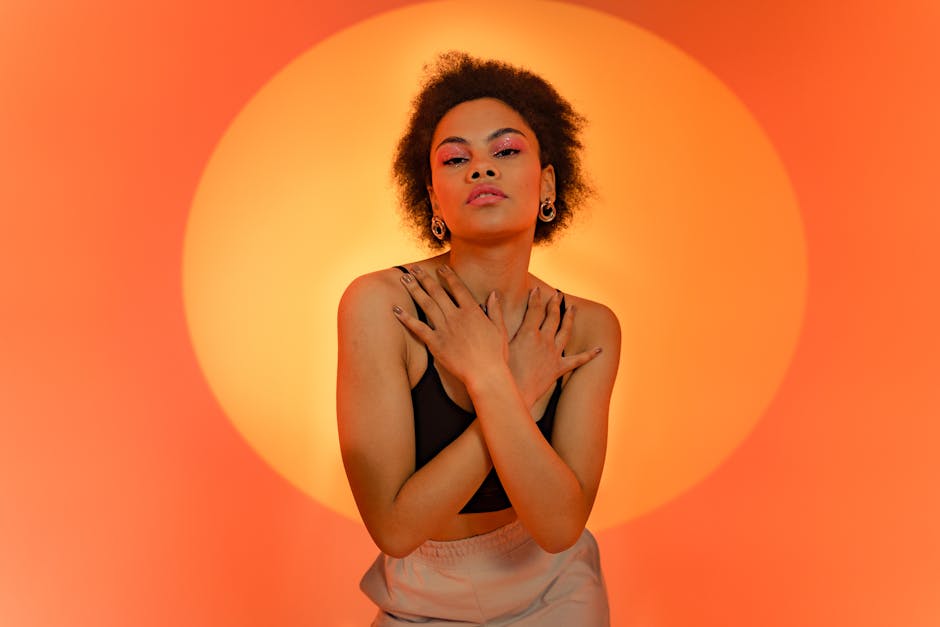
The background is not neutral in minimalist photography. It’s an active compositional choice. These are the options that consistently deliver, and why each one works.
- Seamless paper backdrop — The industry standard for a reason. Savage and BD Company both make seamless rolls in exactly the right tonal range: warm white, bone, cool grey, and charcoal. A 107-inch wide roll gives you enough real estate to shoot full-length without edges creeping in. Cost: $40–$80 per roll, depending on width and brand.
- Painted or limewashed walls — Textured walls with a matte finish add depth without pattern. Works especially well with garments that are themselves very smooth or structured — the wall’s texture becomes the only visual complexity in the frame.
- Floor-to-wall infinity corner — Achieved in studio with a curved cove, or simulated by pulling seamless paper all the way to the floor. Removes all horizon lines. The model appears to exist in a dimensionless space, which is a specific and powerful aesthetic choice for high-fashion work.
- Architectural exteriors — concrete, raw plaster, stone — Location shoots that use brutalist or raw architectural surfaces can work beautifully. The architecture must not have visual pattern. Brick usually fails. Poured concrete succeeds.
- Open overcast sky — Shooting against sky (model at ground level, camera angled up) creates a clean, graphic background. Works best when the sky is flat and bright grey rather than blue with clouds, which creates uncontrollable tonal variation across the frame.
Studio vs. Natural Settings
Studio gives you control. Natural light gives you mood. For a first minimalist shoot, studio is the smarter choice — you can dial in the light and not fight changing conditions. A Profoto B10 or the more budget-accessible Godox V1 with a medium octabox gives you soft, directional light that works on clean backgrounds.
Natural light works when it’s consistent. North-facing window light, or an overcast exterior, gives you the flat, even illumination that reads well against neutral backgrounds. Direct sun creates shadows and highlights that fragment a clean composition — avoid it unless you’re specifically shooting for high-contrast graphic work.
Two Lighting Setups That Serve This Aesthetic
Setup one: a large softbox or octabox slightly off-axis to camera, positioned above the model’s eyeline, angled down at roughly 45 degrees. This creates dimension without drama — the clothing develops depth and the face reads naturally. Setup two: flat, even light from directly in front, essentially eliminating shadows. This produces the clinical, editorial look common in high-fashion minimalism, where the garment reads almost as a graphic element. Both work. The choice depends on whether you want the clothing to feel wearable or architectural.
The Styling Mistakes That Kill Minimalist Shoots
Jewelry is the leading cause of minimalist shoot failure. Not heavy jewelry or wrong jewelry — any jewelry the art director didn’t specifically choose as the focal point. A delicate gold necklace that looks subtle in person becomes a competing element in a clean frame, pulling the eye away from the garment’s neckline or collar construction. The default position on accessories should be: none, unless a specific case exists for including them.
Accessories: The Fast Track to Visual Noise
The minimalist aesthetic can accommodate accessories — but only one at a time, and only when it serves the composition. A single sculptural ring. An architectural bag positioned deliberately. Hair pinned back, not styled in a way that creates another visual layer competing with the clothing. Makeup that’s present but invisible — skin-tone product, groomed brows, nothing that announces itself.
The moment you add earrings AND a necklace AND a bag AND a belt, you’ve left minimalism. You’ve just got a styled shoot. Which is fine — but call it what it is and stop expecting minimalist results.
Poses and Movement That Break the Composition
Dynamic, expressive posing works against minimalism in most cases. Crossed arms, tilted chins, weight shifted dramatically to one hip — these all create visual complexity that competes with the clean composition. The posing vocabulary that works here is quieter: weight evenly distributed or shifted subtly, hands relaxed or placed deliberately, facial expression neutral to slight. Think editorial composure, not commercial energy.
The exception is deliberate movement — a jacket mid-motion, fabric caught in a half-second of momentum — but this requires a shutter speed above 1/500s and precise timing. Start with stillness and build from there.
Questions Photographers and Clients Actually Ask
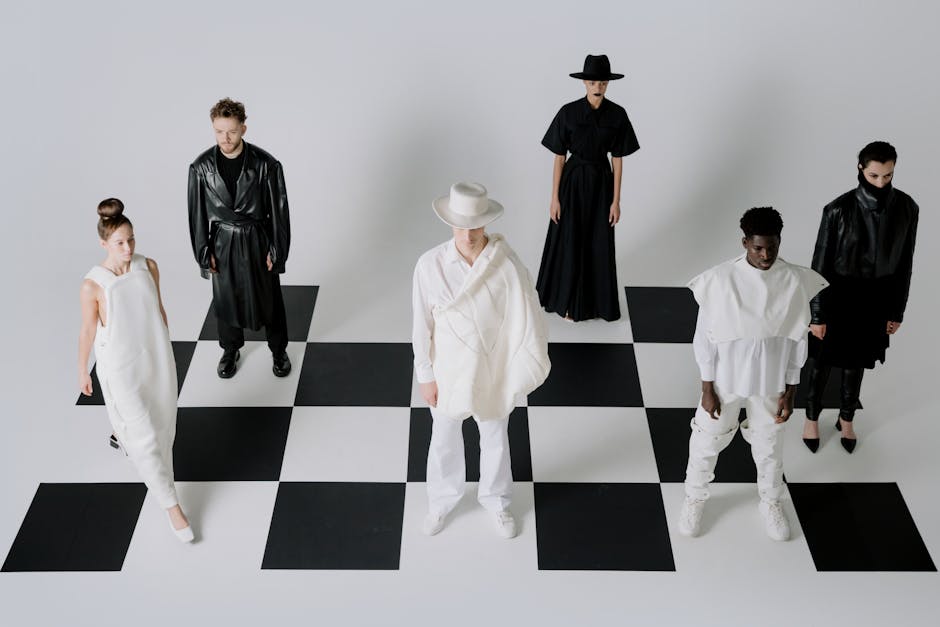
Do I need expensive camera gear for this style?
No. The Sony A7C (around $1,800 used) or the Fujifilm X-T5 ($1,699 new) both shoot minimalist fashion with excellent results. The Canon EOS R8 at $1,299 is one of the most accessible full-frame options. What matters more than the camera body is the lens. A 50mm or 85mm prime in the f/1.8–f/2 range gives you the focal length and depth control this aesthetic needs. A $3,000 body with a kit lens is worse than an $1,100 body with a quality prime.
Lighting gear matters more than most photographers admit. A Godox flash with a quality octabox modifier costs around $150–$200 total and beats built-in or on-camera flash for this style by a significant margin. Spend on light before you spend on body upgrades.
How many outfits should a minimalist shoot include?
Three to five. Fewer than three doesn’t give you enough variation to edit down to a strong final selection. More than five starts to eat into shooting time with outfit changes, and the looks blur together when the palette and styling are this restrained.
Each outfit change should meaningfully shift something: silhouette, texture, or the relationship between garment layers. If look three and look four are both oversized neutral tops with wide-leg trousers, you don’t have two looks — you have one look in two colorways.
What makes a minimalist shoot look expensive rather than just plain?
Three things, specifically. First: the quality of the negative space. Empty areas in the frame need to feel deliberate, not like the photographer ran out of ideas for what to put there. The model’s position within the frame, and the proportions of empty space around them, should feel considered. Second: fabric quality and fit. A perfectly fitted COS linen blazer reads completely differently from a similar silhouette in a cheaper material — the drape gives it away at close range. Third: skin and hair finishing. Clean, prepared skin and controlled hair read as luxury. Neither requires professional makeup or a full hair team; both require preparation time before the shoot starts.
The cheapest, highest-impact investment for any minimalist shoot is a lint roller, a steamer, and an extra 30 minutes for the model to arrive and settle before cameras come out. Those three things will improve the final images more than any gear upgrade you’re considering.