
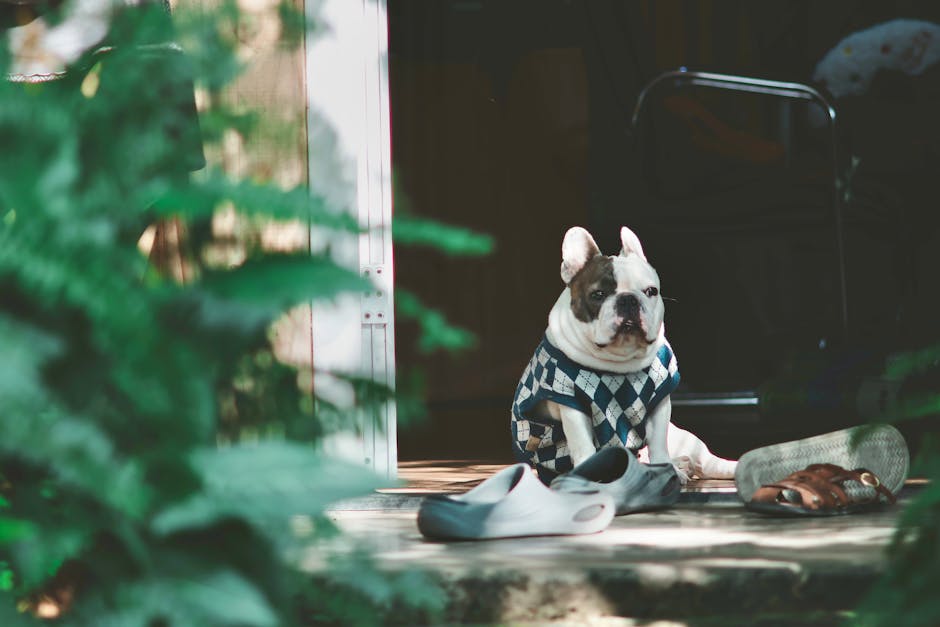
It’s easy to believe that living with pets means accepting a certain level of “pet smell.” Many of us have walked into a home and immediately recognized that distinct, sometimes overpowering, odor. The common misconception is that this is simply an unavoidable byproduct of pet ownership. The truth? A perpetually stinky home often points to inadequate product choices and inconsistent maintenance, not an inherent flaw in your beloved animal. With the right approach and a few specific tools, you can maintain a fresh, inviting home that’s pleasant for both human and furry inhabitants. A clean home environment isn’t just about aesthetics; it significantly contributes to your overall well-being, reducing stress and creating a more comfortable space for relaxation, self-care, and even hosting friends – all key aspects of a balanced lifestyle.
The Truth About Litter Box Smell: It’s Not Your Fault, But It Is Your Choice
Many cat owners feel a constant battle against litter box odor, often blaming their feline friend or assuming every litter box simply smells bad. This is incorrect. A persistent, unpleasant odor from the litter box is less about your cat and more about the litter you pick and how you manage it. Standard clay litters, while affordable, often fall short when it comes to effective odor encapsulation. They might absorb moisture, but the ammonia and waste smells can permeate the air, especially in humid conditions or if the box isn’t scooped frequently enough.
The key lies in understanding litter composition and its odor-fighting capabilities. Modern litter technology offers far superior options designed specifically to neutralize or trap odors before they become airborne. Upgrading your litter choice can dramatically change your home’s freshness.
Why Mineral Cat Litter Excels for Odor Control
For superior odor control, a specialized mineral cat litter makes a substantial difference. Unlike basic clay, these litters are engineered with advanced absorption and odor-neutralizing properties. Consider the Neakasa Mineral Cat Litter, which comes in a generous 17.6 lbs (8 kg) bag for $34.99. It boasts a 4.2/5 rating from 100 reviews, indicating strong user satisfaction. This type of litter is designed to quickly absorb moisture and trap odors at a molecular level, preventing them from escaping into your living space. The mineral composition often means less dust, which is a bonus for both you and your cat’s respiratory health. Less dust also means less tracking, keeping your floors cleaner and reducing the spread of microscopic odor particles.
The fast-clumping action of high-quality mineral litter also contributes significantly to odor reduction. When clumps form quickly and firmly, they encapsulate waste more effectively, making scooping easier and ensuring that odor-causing bacteria don’t have time to multiply and spread. This means a cleaner box with less effort, which translates to a fresher home environment overall. For optimal results, even with excellent litter, daily scooping remains crucial. No litter, no matter how advanced, can completely eliminate odors if soiled clumps are left to linger.
Automate Your Cleanliness with Smart Litter Boxes
Pairing advanced litter with a self-cleaning litter box like the Neakasa M1 Open-Top Self-Cleaning Cat Litter Box elevates your home hygiene. While the M1 box isn’t part of the featured products, it’s designed to work seamlessly with the mineral litter. These automated systems scoop waste shortly after your cat uses the box, depositing it into a sealed compartment. This immediate removal prevents odors from developing and spreading, drastically improving air quality in your home. The Neakasa M1, for example, is an open-top design, which many cats prefer, yet it still manages to keep odors contained thanks to the quick clean cycles and sealed waste bin. The convenience also means less manual scooping for you, freeing up time for other tasks or relaxation. The combination of a high-performance mineral litter and an automated cleaning system truly represents the pinnacle of cat litter management for a consistently fresh, inviting home.
A fresh-smelling home contributes directly to your sense of peace and comfort. It’s not just about guests; it’s about walking into your own space and feeling a sense of calm, rather than being greeted by stale air. Investing in quality litter and efficient cleaning methods is an investment in your daily well-being and the overall ambiance of your personal sanctuary.
Daily Home Refresh: Steps for a Continually Fresh Space
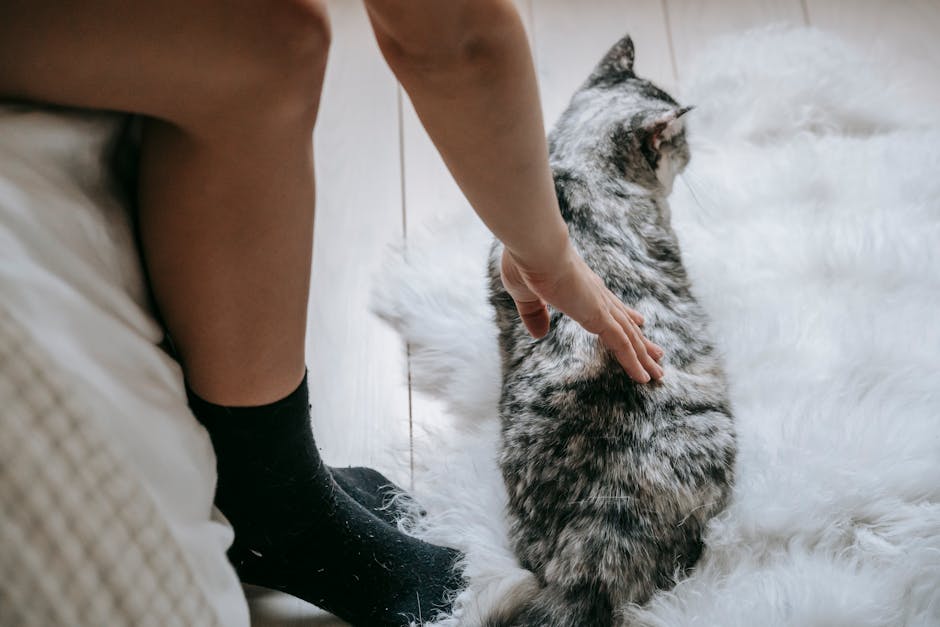
Maintaining a fresh home with pets requires a multi-faceted approach beyond just litter box management. It’s about creating daily habits that prevent odors from settling in. This isn’t about deep cleaning every day, but consistent, small actions that compound over time to make a big difference. Think of it as preventative maintenance for your home’s scent profile. Neglecting these seemingly minor tasks can lead to odors embedding themselves in fabrics and surfaces, making them much harder to remove later. A proactively clean home supports a more serene and enjoyable lifestyle, reducing the mental burden of constant cleaning.
- Ventilate Daily, Even for a Few Minutes: Open windows and doors for at least 10-15 minutes each day, even in cooler weather. Fresh air circulation flushes out stale air and pet dander, preventing odors from accumulating. This is especially important in areas where pets spend a lot of time, like living rooms or bedrooms.
- Vacuum Regularly with a HEPA Filter: Pet hair and dander are major carriers of odors and allergens. Vacuuming carpets, rugs, and upholstery every 1-2 days, or even daily in high-traffic pet areas, is crucial. Use a vacuum with a HEPA filter to capture microscopic particles that can trigger allergies and contribute to smells. Brands like Dyson or Shark offer excellent pet-specific models designed for this purpose.
- Wipe Down Hard Surfaces: Pet paws track dirt and debris, and sometimes drool or spills happen. Use a pet-safe, non-toxic cleaner to wipe down hard floors, baseboards, and other surfaces weekly. Look for cleaners with natural ingredients like Mrs. Meyer’s Multi-Surface Everyday Cleaner ($4.99) or Method All-Purpose Cleaner ($3.99), which are gentle but effective.
- Wash Pet Beds and Blankets Weekly: Pet bedding is a magnet for hair, dander, and odors. Launder all pet beds, blankets, and plush toys at least once a week. Use a pet-safe detergent, and consider adding a cup of white vinegar to the wash cycle to naturally neutralize odors without harsh chemicals.
- Change Air Filters Monthly: The air filters in your HVAC system trap pet dander, dust, and other airborne particles. Replace them monthly, especially if you have multiple pets or suffer from allergies. A clean filter improves air quality and prevents your system from recirculating smelly air throughout your home.
- Spot Clean Accidents Immediately: Accidents happen. The faster you clean up urine, vomit, or other pet messes, the less likely odors are to set in. Use an enzymatic cleaner specifically designed to break down organic matter, like Nature’s Miracle Stain & Odor Remover ($12.99), which targets the source of the odor rather than just masking it.
Quick Cleaning Hacks for Busy Schedules
Life gets busy, but keeping a fresh home doesn’t have to be a full-time job. For quick refreshes between deeper cleans, keep a lint roller handy for furniture and a pet-safe fabric refresher spray (like Febreze Fabric Refresher Pet Odor Eliminator, $5.49) for quick touch-ups on curtains and carpets. Baking soda sprinkled on carpets and left for 15 minutes before vacuuming can absorb lingering odors. For a pleasant ambient scent, consider a high-quality essential oil diffuser with pet-safe oils like lavender or chamomile (always research pet safety before diffusing). These small, consistent efforts prevent a build-up of pet-related scents, maintaining a light, fresh atmosphere that contributes positively to your daily mood.
Choosing Air Purifiers for Pet Households
An air purifier is a powerful ally in the fight against pet odors and allergens. These devices filter airborne particles, including dander, dust, and odor molecules. When selecting an air purifier for a pet household, look for models with a true HEPA filter, which captures 99.97% of particles as small as 0.3 microns. Many also include an activated carbon filter, specifically designed to absorb odors. Brands like Coway Airmega ($200-$400) or Levoit Core ($100-$200) consistently receive high ratings for their effectiveness in pet environments. Position them in areas where your pets spend the most time, such as living rooms or bedrooms, to maximize their impact. Running an air purifier 24/7 can significantly reduce ambient pet odors and improve the overall air quality, making your home feel cleaner and healthier.
Pet Grooming: More Than Just Good Looks
Regular pet grooming is often viewed solely through the lens of aesthetics – keeping your furry friend looking neat. However, this is a narrow perspective. Grooming is an essential component of preventive health care for your pet, and by extension, a critical factor in maintaining a clean and fresh home environment. It directly impacts the amount of shed hair, dander, and external debris that ends up on your furniture and floors, significantly reducing the source of many pet odors and allergens. When you groom your pet, you’re not just making them look good; you’re actively contributing to a healthier, cleaner home and a more comfortable life for everyone.
Maintaining Your Pet Grooming Tools for Peak Performance

Just like any other household appliance, your pet grooming tools require regular cleaning and maintenance to perform effectively and safely. Neglecting your grooming kit can lead to dull blades, clogged filters, and ultimately, less efficient grooming sessions that stress both you and your pet. Dull blades pull hair instead of cutting it, causing discomfort, while clogged filters reduce suction power, leaving more hair and dander in your home. Proper maintenance ensures longevity for your tools, maintains their hygienic integrity, and guarantees a smooth, stress-free grooming experience that keeps your pet healthy and your home cleaner. It’s a small investment of time that pays dividends in both convenience and cleanliness.
Cleaning Clippers and Blades
After each grooming session, it’s crucial to clean your clipper blades. Hair and debris can quickly build up, hindering performance and even harboring bacteria. First, use a small brush (often included with clippers) to remove any loose hair from the blades and the clipper housing. For a deeper clean, especially if using a grooming vacuum system, detach the clipper blade. You can then use a blade cleaner or a specialized spray disinfectant to sanitize the blades. Some professional groomers also recommend dipping blades in a small amount of clipper oil to lubricate and prevent rust, which is particularly important for maintaining the sharpness and smooth operation of the cutting edge. Let the blades air dry completely before reattaching or storing them. This meticulous cleaning prevents the transfer of skin irritations or infections between grooming sessions and ensures the clippers are always ready for efficient use. For example, if you use a grooming vacuum like the Neakasa P1 Pro Pet Grooming Kit & Vacuum, its clipper blade is designed for easy removal and cleaning.
Replacing Filters for Pet Grooming Vacuums
Pet grooming vacuums, such as the Neakasa P1 Pro, are excellent for capturing shed hair and dander directly at the source, preventing it from spreading throughout your home. However, their effectiveness hinges on clean, functional filters. Over time, these filters – including sponge filters and HEPA filters – become saturated with fine hair and dust, reducing suction power and potentially allowing allergens to escape back into the air. Regularly checking and replacing these filters is non-negotiable for maintaining optimal performance and air quality.
The Sponge Filter, Clipper Blade, HEPA for P1 Pro Pet Grooming Kit & Vacuum, priced at $29.99, offers a convenient way to keep your Neakasa P1 Pro running smoothly. This kit includes the essential replacement parts needed for thorough maintenance. The sponge filter captures larger debris, while the HEPA filter traps microscopic particles, including pet dander and allergens. The kit also provides a replacement clipper blade, ensuring your grooming vacuum continues to provide precise and comfortable trims for your pet. Users rate these accessories highly, with a 4.6/5 average from 115 reviews, showing their value in maintaining the grooming kit’s efficacy.
To replace filters, first, ensure the vacuum is unplugged. Locate the filter compartments – consult your specific vacuum’s manual if unsure. Remove the old sponge filter and tap it to dislodge loose debris, or rinse it if it’s washable and completely air dry it before reuse. The HEPA filter is typically not washable and should be replaced according to the manufacturer’s recommendations, usually every 3-6 months depending on usage. Carefully insert the new filters, ensuring they are properly seated to maintain an airtight seal. Changing these components regularly ensures your grooming vacuum maintains its powerful suction, effectively removes pet hair and dander, and contributes to a significantly cleaner, healthier home environment.
Healthy Pets, Happy You: Q&A on Common Pet Care Challenges

A pet’s health directly impacts the household. From allergies to behavioral issues, understanding and addressing common pet care challenges can improve both your pet’s quality of life and your own. A healthy pet is often a happier pet, which reduces stress for everyone in the home and minimizes issues that might lead to a less tidy environment. Proactive care ensures fewer vet visits and a more harmonious living situation, aligning perfectly with a balanced, wellness-focused lifestyle.
How often should I bathe my dog?
The frequency of bathing a dog depends heavily on their breed, coat type, activity level, and any underlying skin conditions. As a general rule, most dogs benefit from a bath every one to three months. Breeds with oily coats, like Basset Hounds, might need more frequent bathing to prevent skin issues and manage odor. Dogs that spend a lot of time outdoors or have allergies might also require more frequent baths, perhaps bi-weekly, using a veterinarian-recommended shampoo. Over-bathing can strip a dog’s coat of its natural oils, leading to dry, irritated skin. Always use a dog-specific shampoo, as human shampoos can be too harsh and disrupt their skin’s pH balance. For quick freshening between baths, a dry shampoo for dogs or a pet-friendly wipe can be effective.
What are common signs of pet allergies in humans, and how can I reduce them?
Pet allergies in humans are typically triggered by proteins found in a pet’s dander (dead skin flakes), saliva, and urine, not just their fur. Common signs include sneezing, runny nose, itchy watery eyes, nasal congestion, skin rash or hives, and sometimes asthma symptoms like wheezing or difficulty breathing. To reduce symptoms, first, ensure rigorous home cleaning, as detailed earlier, focusing on vacuuming with HEPA filters and regularly washing pet bedding. Consider keeping pets out of bedrooms to create an allergy-free sanctuary. Using an air purifier with a HEPA filter in common areas is highly recommended. Regular grooming of your pet also helps by reducing shedding and dander. For severe allergies, consulting with an allergist or dermatologist for specific advice, which might include allergy medications or immunotherapy, is a good step.
Can pet anxiety affect home life?
Absolutely. Pet anxiety, especially separation anxiety in dogs, can significantly disrupt home life. Anxious pets might exhibit destructive behaviors like chewing furniture, scratching doors, or inappropriate urination and defecation indoors. These behaviors not only damage your home but also create mess and odors, adding to your cleaning burden and stress. Common signs of anxiety include excessive barking or whining, pacing, trembling, hiding, or compulsive licking. Addressing pet anxiety often involves a multi-pronged approach: professional training, enrichment toys to keep them occupied, creating a safe and comfortable “den” space, and sometimes, veterinarian-prescribed medications or calming supplements. Creating a predictable routine, providing plenty of exercise, and offering consistent positive reinforcement can also help alleviate anxiety, leading to a calmer pet and a more peaceful home environment for everyone.