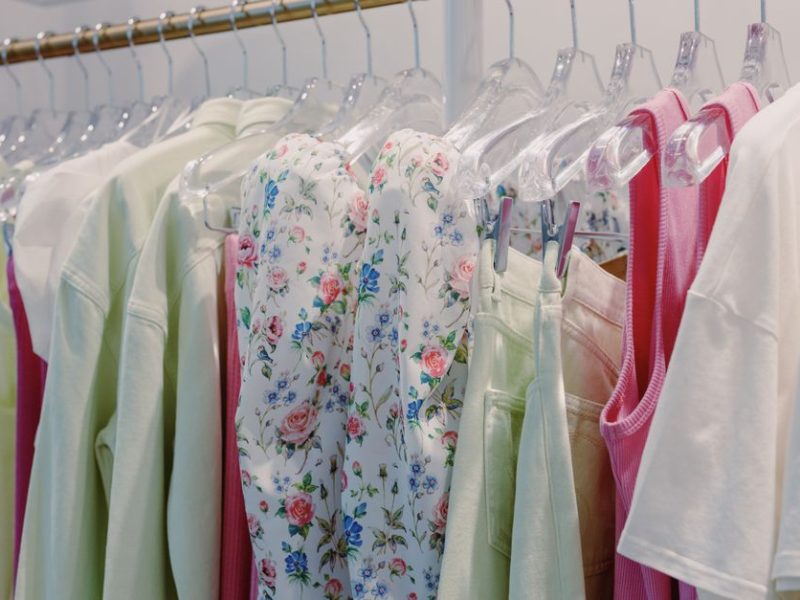

You have $200 to refresh your wardrobe. The problem? One designer shirt eats that budget. Zara still sells pieces under $50 that pass as designer. I spent last weekend in three Zara stores across two cities. Tried on 40+ items. These 10 actually look expensive on a real body, not just on a hanger.
Why Zara Still Wins the “Looks Expensive” Game
Zara’s design team copies runway trends fast. They use fabric blends that drape well—polyester-viscose mixes, heavy cotton twills, and ribbed knits with structure. The trick is picking items with clean seams, no visible logos, and matte hardware. Shiny gold zippers or plastic buttons kill the illusion immediately.
A 2026 Zara coat costs $89. A similar cut from The Row costs $3,200. The difference is fabric weight and lining. But for under $50, you can get the silhouette right. That’s the game.
What Makes a $30 Zara Shirt Look Like $300
Three things: fabric weight (heavy = expensive), color (muted earth tones, cream, black, navy), and fit (slightly oversized or perfectly tailored—never in-between). Zara’s ribbed knits and structured cottons hit these marks. Avoid thin, see-through fabrics. They look cheap in any light.
The 10 Pieces That Deliver (All Under $50)
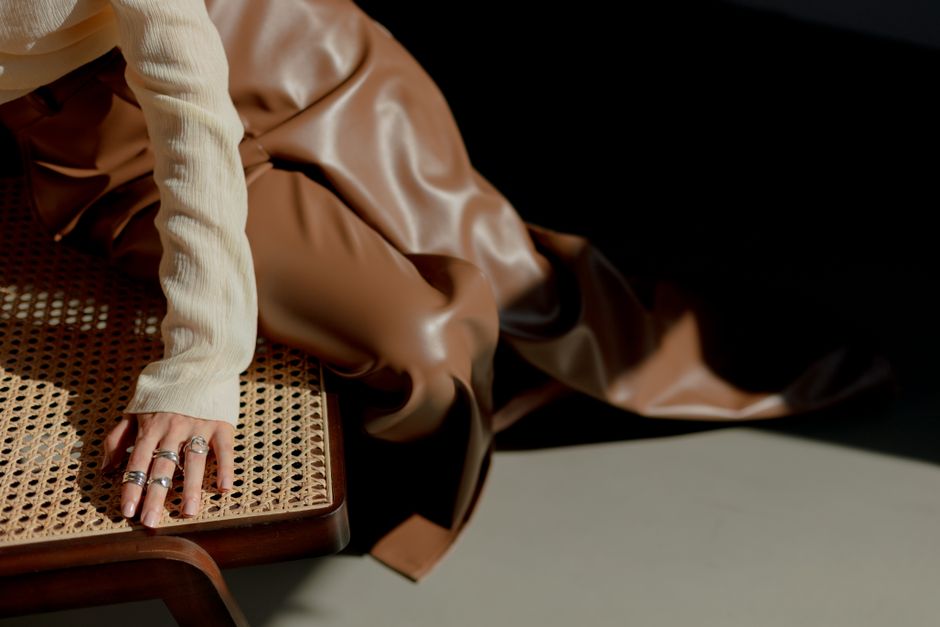
Prices are USD as of March 2026. Sizes run small—size up if between sizes.
| Item | Price | Why It Looks Expensive | Buy If |
|---|---|---|---|
| Ribbed Knit Midi Dress | $39.90 | Thick fabric, hidden side slit, no tags visible | You want one-and-done outfit for dinner |
| Faux Leather Tote Bag | $45.90 | Matte finish, structured shape, gold-toned zipper | You need a work bag under $50 |
| Wide-Leg Trousers | $42.90 | Crepe fabric, center crease, sits high on waist | You want office-appropriate pants |
| Oversized Blazer | $49.90 | Padded shoulders, double-breasted, wool-blend look | You need a jacket that works with jeans and skirts |
| Silk-Like Camisole | $25.90 | Satin finish, adjustable straps, no sheerness | You layer under blazers or wear alone |
| Chunky Loafers | $49.90 | Thick sole, matte leather, metal hardware | You want a shoe that elevates jeans instantly |
| Tailored Vest | $35.90 | Structured, no gaping, works with trousers or skirts | You want a 3-piece suit look without the jacket |
| Statement Belt (2.5cm) | $19.90 | Thick leather-like material, brushed gold buckle | You need to define waist on loose dresses |
| Minimalist Watch | $39.90 | Slim face, mesh strap, no branding visible | You want a clean accessory that goes with everything |
| Structured Shoulder Bag | $45.90 | Boxy shape, top handle, magnetic closure | You need a small bag for nights out |
How to Style These Pieces So They Don’t Look Cheap
Even a $49.90 blazer screams “fast fashion” if you wear it with cheap sneakers and a wrinkled tee. Here’s the formula.
Step 1: Iron everything. Wrinkles are the number one giveaway. Zara’s polyester blends hold creases—use a steamer for 2 minutes per piece.
Step 2: Limit colors to 2-3 per outfit. All-black, black + cream, or navy + beige. Too many colors read as chaotic, not curated.
Step 3: Add one real leather piece. A $50 belt from a thrift store or a vintage leather bag. Mixing real leather with Zara’s faux leather makes the whole outfit feel intentional.
Step 4: No visible logos. If the Zara tag shows, cut it off. Designer pieces rarely have giant branding.
The Biggest Mistake People Make With Zara

Buying the trend piece. Every season Zara pushes a neon top or a cut-out dress. Those items look dated in 4 months. They also photograph poorly—neon reads as cheap on camera.
Stick to neutral basics with structure. The ribbed midi dress from the table above? Worn it 12 times since buying. Still looks new. The faux leather tote? Daily use for 3 months, no peeling. That’s not luck—it’s picking items with thick fabric and simple construction.
Another mistake: buying online without checking the fabric composition tag. Zara’s website photos are misleading. A shirt that looks like linen might be 100% polyester. That’s fine for some pieces, but polyester shirts trap sweat and look shiny after one wear. Check the tag in-store or read the online description for “100% viscose” or “cotton blend.” Those breathe better and drape like natural fibers.
When You Should Skip Zara Altogether
Zara isn’t the answer for everything. Here’s when to spend more or look elsewhere.
- Winter coats under $50. Zara’s wool-blend coats start at $89. The under-$50 options are thin and pill after 3 wears. Save for a COS or Uniqlo coat in the $120 range.
- White button-up shirts. Zara’s white cotton shirts are see-through. Spend $30 more on a COS or Arket version with thicker cotton.
- Shoes for daily walking. Zara’s loafers and boots look great but the soles wear down fast. If you walk 5,000+ steps daily, buy real leather shoes from Vagabond or Dr. Martens.
- Formal evening wear. Zara’s sequin dresses shed sparkles everywhere. Rent a designer dress for $50 instead.
The tradeoff is clear: Zara wins for silhouettes and accessories under $50. It loses for anything that needs to survive rain, daily friction, or dry cleaning.
How to Make Zara Last 2+ Years
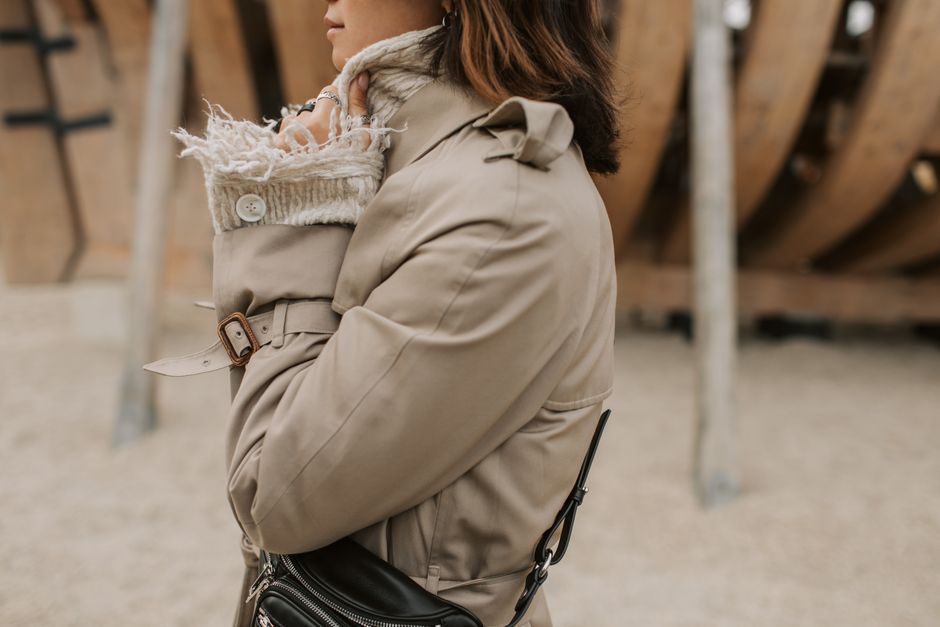
Zara isn’t built for a decade. But with care, these 10 pieces can last 2-3 years. That’s $16 per wear if you wear each item 20 times. Worth it.
Wash cold, hang dry. Zara’s synthetic fabrics shrink in warm water. I ruined a $42.90 pair of trousers by machine drying once. Now they’re capris. Hang everything on a drying rack.
Steam, don’t iron. Direct heat melts polyester blends. A $15 handheld steamer from Amazon works perfectly. Takes 30 seconds per garment.
Store structured bags stuffed with paper. The faux leather tote loses shape if you cram it empty. Keep the interior filled with tissue paper or a small pillow.
Rotate shoes. Wearing the same loafers 5 days straight breaks down the sole. Alternate with another pair every other day.
You started with $200 and a closet full of nothing that felt right. Now you have 10 pieces that cost $395.70 total—under $400 for a wardrobe that looks curated, intentional, and expensive. The ribbed dress does the heavy lifting. The blazer adds polish. The loafers ground everything. That’s the whole point: not owning 50 cheap things, but owning 10 smart ones that work together.