

Fast fashion is a trap. You buy a $15 top, wear it three times, the seam splits, and it sits in a landfill for 200 years. In 2026, the smarter move is building a sustainable wardrobe — fewer pieces, better materials, and brands that pay workers fairly. This guide walks you through exactly how to start, which brands to trust, and where most people waste money.
Why Most “Sustainable” Wardrobes Fail Before They Start
The biggest mistake is buying all new “eco-friendly” clothes at once. You end up with a closet full of linen you hate and a credit card bill that hurts.
Three failure modes to avoid:
- Greenwashing trap: H&M’s “Conscious” line is still fast fashion with a green label. Real ethical brands publish their supply chain and pay living wages. Patagonia does this. H&M does not.
- Budget shock: Ethical pieces cost 2-3x more upfront. A Patagonia Better Sweater fleece costs $139. But it lasts 10 years. A $30 fast fashion sweater lasts 10 washes. The math favors the fleece.
- Buying for the fantasy self: That linen jumpsuit looks great on the model. In real life, you might wear jeans and a t-shirt 80% of the time. Build your wardrobe around what you actually do, not what you wish you did.
Start by tracking what you wear for two weeks. Write down every item. The 20% you wear 80% of the time is your foundation. The rest is noise.
The 5-Step Swap: From Fast Fashion to Ethical Brands
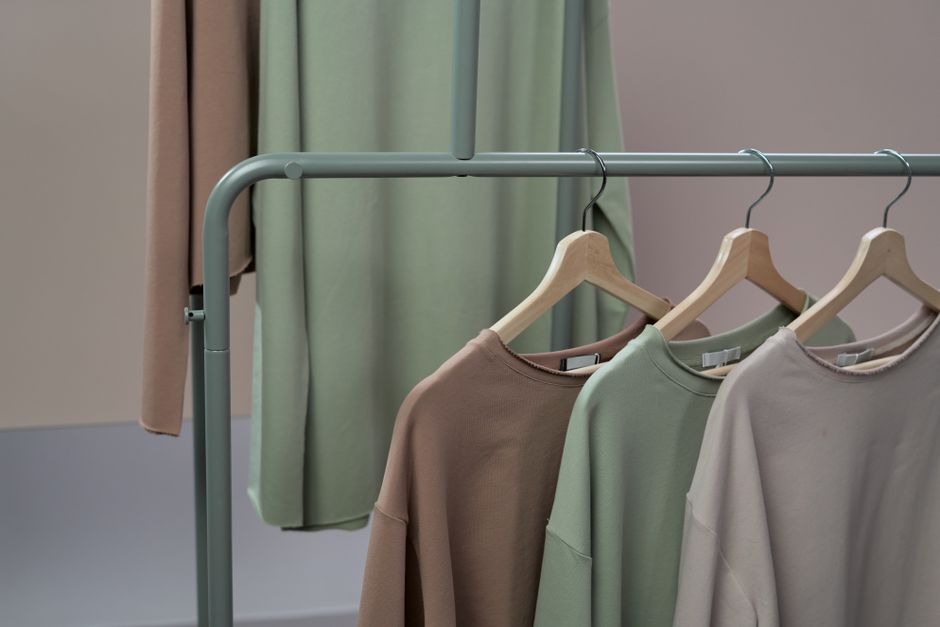
Step 1: Audit your current closet
Pull everything out. Sort into three piles: keep (worn in last month), repair (needs a button or hem), donate/sell. Be ruthless. If you haven’t worn it in a year, it’s not coming back. Sell on Depop or ThredUp. A good-condition Zara dress sells for $15-25 on ThredUp. Not much, but it’s money back and keeps it out of a dump.
Step 2: Identify your gaps
You need 5-7 core pieces that work together. For most people: 2 pairs of jeans (one dark, one light), 3 neutral tops (white, black, cream), 1 blazer or jacket, 1 dress or skirt. That’s it. Fill gaps first. Don’t buy a fifth black top if you already have four.
Step 3: Set a budget per item
Ethical brands aren’t cheap. Plan $80-150 for jeans, $60-120 for tops, $150-250 for outerwear. That’s normal. If you can’t afford $120 for a top, buy secondhand. A used Everlane silk blouse costs $30-50 on Depop. Same quality, half the price.
Step 4: Buy from verified ethical brands
Not all “sustainable” brands are equal. Here’s a short list that passes the smell test:
| Brand | Price Range | Best For | Why It’s Ethical |
|---|---|---|---|
| Patagonia | $50-$300 | Outerwear, fleece, basics | 1% for the Planet, fair trade certified, repair program |
| Reformation | $80-$300 | Dresses, denim, workwear | Carbon neutral, uses deadstock fabric, transparent supply chain |
| Everlane | $40-$200 | Cashmere, denim, t-shirts | Radical transparency — shows factory costs and markups |
| Organic Basics | $30-$100 | Underwear, socks, basics | Organic cotton, recycled nylon, carbon offset shipping |
| Mud Jeans | $100-$150 | Denim | Lease-a-Jeans program, 100% organic cotton, recycled denim |
Step 5: Maintain what you own
Wash jeans inside out in cold water. Air dry everything. A cashmere sweater lasts 5 years if you hand wash it. Machine wash it? Maybe 2 years. Learn basic repairs — sewing on a button takes 3 minutes and saves a whole garment.
Secondhand Is the Shortcut: Where to Find Ethical Pieces for Less
You don’t need to buy everything new. Secondhand shopping is the most sustainable option — zero new resources used, and you save 50-80% off retail.
Best secondhand platforms for 2026:
- ThredUp: Best for basics. Filter by brand, size, condition. A Patagonia fleece runs $40-60 here. Retail is $139. Clean out your closet and get store credit.
- Depop: Better for trendy pieces and vintage. Search “Everlane silk blouse” or “Reformation dress.” Prices are negotiable. Message sellers and offer 20% less — many accept.
- Vinted: No seller fees, so prices are lower. Good for bulk buys — bundles of 3-5 items from one seller save on shipping.
- Local consignment shops: Try them on in person. You can check fabric quality and fit immediately. No return hassles.
One rule: Don’t buy secondhand just because it’s cheap. If you wouldn’t buy it new at full price, don’t buy it used. That $5 polyester dress still ends up in a landfill.
When NOT to Buy Sustainable: The Honest Tradeoffs
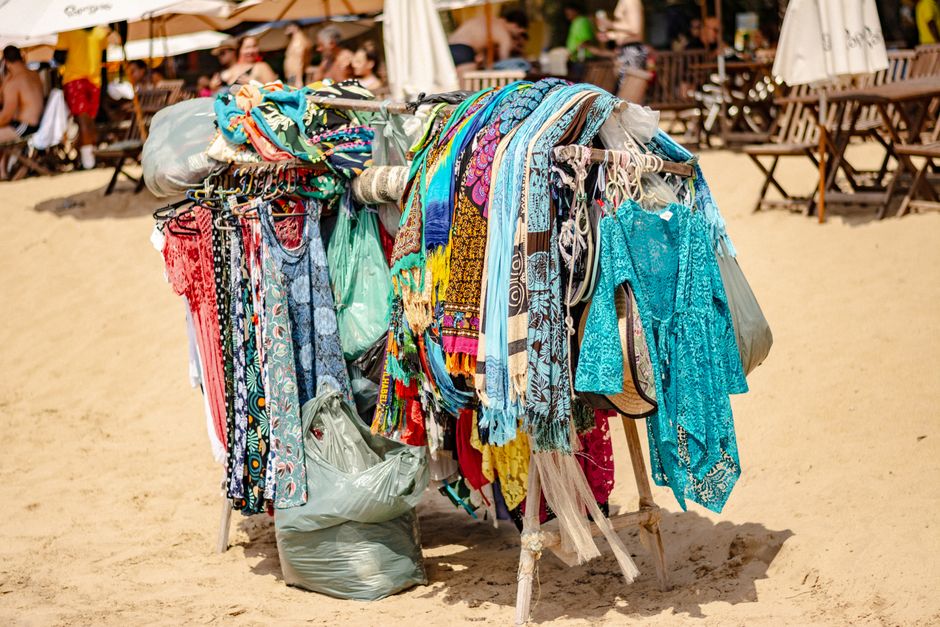
Sometimes fast fashion is the better choice. Here’s when.
Kids’ clothes. They grow out of everything in 6 months. Buy secondhand or cheap basics. A $5 H&M onesie that fits for one season is fine. Don’t spend $80 on an organic cotton version they’ll wear twice.
Special occasion wear. A bridesmaid dress you’ll wear once? Rent it. Rent the Runway has designer dresses for $30-70 per rental. Or buy from a fast fashion store and resell immediately. Don’t invest in ethical silk for a single event.
High-performance gear. Hiking boots and rain jackets need specific technical fabrics. Ethical options exist but cost 2x. If you hike once a year, a $60 Columbia jacket works fine. If you hike weekly, pay $200 for a Patagonia Torrentshell — it lasts a decade and is repairable.
The tradeoff is real. Sustainable fashion costs more upfront. The payoff comes over years of wear. But for kids, one-time events, and occasional use, fast fashion still has a place. Be honest about your usage.
Your First 5 Purchases: A Concrete Starter List
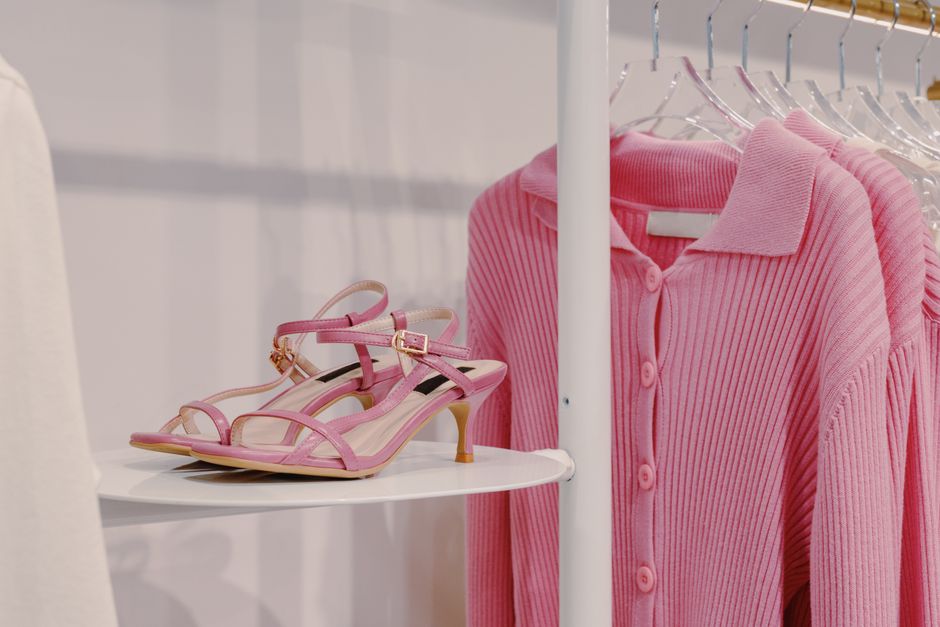
If you’re starting from zero, buy these five items in order. They form the backbone of a sustainable wardrobe that works for work, weekends, and dinner out.
- A pair of good jeans. Levi’s 501s ($98) or Everlane’s Authentic Stretch High-Rise ($80). Dark wash. Fits perfectly. Wear 3-4 times a week. Lasts 5+ years.
- A white t-shirt. Organic Basics Organic Cotton Tee ($45). Not see-through. Holds shape after 50 washes. Wear under everything.
- A black blazer or jacket. Reformation’s Blazer in recycled wool ($228). Dress it up or down. Works with jeans, dresses, trousers. One piece replaces five.
- A cashmere sweater. Everlane’s cashmere crew ($100). Neutral color — grey, camel, or black. Hand wash it. Lasts 5-8 years.
- A pair of versatile shoes. Veja Campo sneakers ($150). Made from organic cotton and wild rubber. Wear with jeans, dresses, suits. Resoleable.
Total cost: around $650. That’s one shopping trip to Zara that would buy 15 pieces that fall apart in a year. These five pieces last 5-10 years. Cost per wear on the jeans alone drops below $0.20 after 500 wears. Fast fashion never gets that cheap.
Start with the jeans. Wear them for two weeks. Then add the t-shirt. Build slowly. A sustainable wardrobe isn’t built in a weekend — it’s built piece by piece, over years, with intention.