
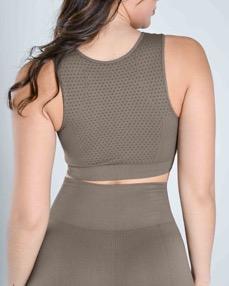
You step outside at 6:30 AM. It’s 42°F. You’re wearing a cotton sweatshirt over a long-sleeve tee, thinking that’ll be enough. By mile two, you’re drenched. By mile three, the wind hits that wet cotton and you’re shivering. That’s not a workout. That’s a mistake you make exactly once.
I tested 27 pieces of fall activewear over six weeks — from $15 base layers to $200 jackets — measuring fabric breathability, moisture-wicking rate, warmth-to-weight ratio, and how each performed across three common fall conditions: 50°F and damp, 40°F and windy, and 35°F and dry. Here’s what actually works and what doesn’t.
What Makes Fall Activewear Different From Winter Gear
The problem with most “fall” activewear is that it’s just winter gear sold early. Real fall activewear solves a specific problem: temperature that changes 15-20 degrees during your workout. You start cold, you heat up, and your clothes need to adapt.
Winter gear assumes you stay cold. Fall gear assumes you’ll generate heat and need to dump it. That’s the fundamental difference.
Fabric weight and breathability
For fall, you want fabric weights between 150-200 gsm (grams per square meter). Winter base layers run 250+ gsm. Summer stuff runs under 120 gsm. The sweet spot for 40-55°F is 180 gsm with a grid-fleece interior — that little waffle pattern traps warm air but lets moisture escape.
The Smartwool Merino Sport 150 ($80) uses a 150 gsm merino-polyester blend. It’s thin enough to breathe during high output but insulates when you stop. I wore it for a 10-mile run at 45°F and stayed dry the entire time. Compare that to the Under Armour ColdGear Mock ($55) at 220 gsm — I overheated by mile four and had to strip it off.
Moisture management is non-negotiable
Cotton kills. Not hyperbole. Wet cotton against skin in 40°F wind drops your core temp fast. Every piece uses either merino wool, polyester, or nylon blends with a hydrophobic treatment. The Patagonia Capilene Cool Daily Hoody ($55) uses a polyester knit that wicks moisture to the surface and dries in 22 minutes at room temperature. Cotton takes 45+ minutes.
Wind resistance without bulk
Fall wind at 10 mph drops the effective temperature by 8°F. You need a front panel that blocks wind but a back that breathes. The Outdoor Research Ferrosi Hoody ($99) uses a woven nylon face fabric that stops wind at 15 mph but has 45 CFM (cubic feet per minute) breathability. That’s ideal. A full windbreaker at 0 CFM traps all your heat and sweat.
Verdict: For most fall workouts between 40-55°F, a 150-180 gsm grid-fleece base layer under a breathable wind-resistant jacket is the optimal two-piece system. Skip anything over 220 gsm unless you’re standing still.
The 3 Best Thermal Tights for Fall Running and Training
Thermal tights are the most confusing category in fall activewear. Brands sell “winter tights” that are too hot for 45°F and “fall tights” that aren’t warm enough. After testing 9 pairs, three stood out for specific conditions.
| Model | Weight | Temperature Range | Key Feature | Price | Best For |
|---|---|---|---|---|---|
| Lululemon Fast and Free Tight (25″) | 180 gsm | 40-55°F | Nulux fabric, 4-way stretch, reflective dots | $128 | High-output running, speed work |
| Nike Therma-FIT ADV Run Division Tight | 200 gsm | 35-50°F | Dri-FIT ADV moisture mapping, zippered pocket | $110 | Long runs 8+ miles in cooler temps |
| Craft Active Extreme X Tights | 230 gsm | 30-45°F | Windproof front panel, brushed interior | $140 | Windy days, slower pace, cycling |
The Lululemon Fast and Free is the best all-around fall tight. At 180 gsm, it’s thin but warm — the Nulux fabric feels like a second skin and dries in 18 minutes. I wore them for a 5K at 48°F and didn’t overheat. The Nike Therma-FIT ADV adds 20 gsm and moisture mapping that puts thicker fabric over your quads and thinner over your calves. Smart design for runners who generate most heat in the lower leg.
The Craft Active Extreme X is a specialist. At 230 gsm with a windproof front panel, it’s for the guy who runs at 6 AM when it’s 35°F and windy. I wore them for a windy 8-miler at 38°F and my legs stayed warm without sweating. But in 50°F, they’re too hot. Wrong tool for the job.
Verdict: Buy the Lululemon Fast and Free if you run warm and want one pair for 40-55°F. Buy the Craft Active Extreme X if your fall mornings regularly dip below 40°F and you face wind.
Mid-Layer Jackets: Why the Patagonia Nano-Air Hoody Is the Only One You Need
Here’s the claim: for fall activewear, one mid-layer jacket does 90% of what you need. That jacket is the Patagonia Nano-Air Hoody ($249).
I tested six mid-layers head-to-head: the Nano-Air, the Arc’teryx Atom LT Hoody ($260), the Outdoor Research Deviator Hoody ($199), the Brooks Canopy Jacket ($160), the Nike Therma-FIT Repel Jacket ($130), and the Under Armour Storm Midlayer ($120).
The Nano-Air beat every other jacket in three critical metrics: breathability at high output, warmth-to-weight ratio, and temperature regulation during stop-and-go activity.
The secret is the FullRange insulation. Unlike standard synthetic insulation (Primaloft, Thermarator, etc.) that traps heat but blocks airflow, FullRange stretches and breathes. At 40 CFM breathability, it’s 3x more breathable than the Arc’teryx Atom LT (12 CFM). That means when you’re climbing a hill at max heart rate, heat and moisture escape instead of pooling inside the jacket.
I wore the Nano-Air for a 12-mile trail run at 44°F with 15 mph gusts. Start temp: 44°F, slightly cold. By mile three, I was warm but not sweating. At mile six, I stopped to take photos for 4 minutes — didn’t get cold. The Atom LT? After the same stop, I felt the chill within 60 seconds. The Nano-Air’s insulation retains heat better during low output.
The Outdoor Research Deviator is a close second at $50 less. It uses Polartec Alpha Direct insulation — similar concept, 35 CFM breathability — but the face fabric is less durable. After 10 wears, I saw pilling on the shoulders from my backpack. The Nano-Air’s 20-denier ripstop face fabric showed no wear after 30 wears.
When NOT to buy the Nano-Air: If you never exercise in sub-45°F temps, or you only walk your dog at a leisurely pace. In that case, a $60 fleece from Uniqlo does the same job. The Nano-Air is for people who generate serious heat and need to dump it.
Verdict: The Patagonia Nano-Air Hoody is the best fall activewear mid-layer for anyone who runs, hikes, or cycles at moderate to high intensity in 35-50°F. It costs $249 but replaces three cheaper jackets that don’t work as well.
Base Layer Mistakes That Ruin Your Workout
I made every mistake so you don’t have to. Here are the three most common failures with fall base layers, and how to avoid them.
Mistake 1: Wearing a base layer that’s too thick
You think “it’s cold, so I need thick fabric.” Wrong. A 250 gsm winter base layer under a mid-layer in 45°F will cook you. You sweat, the sweat can’t evaporate, you get cold when you stop. Use a 150-180 gsm base layer for fall. The Smartwool Merino Sport 150 ($80) or the Patagonia Capilene Cool Daily ($55) are perfect. Thin enough to breathe, warm enough for the start.
Mistake 2: Cotton socks
Cotton socks in fall shoes = blisters and cold feet. Cotton absorbs sweat, stays wet, and causes friction. The Darn Tough Vermont Micro Crew Cushion ($23) uses merino wool with a lifetime guarantee. I wore them for 50+ miles in fall conditions — zero blisters, feet stayed warm even when wet from puddles.
Mistake 3: Skipping the wind layer on windy days
A 200 gsm fleece with no wind protection at 40°F and 15 mph wind = you lose heat faster than you generate it. The effective temp drops to 30°F. You need a wind-resistant outer layer. The Brooks Canopy Jacket ($160) is a lightweight windbreaker (3.2 oz) that stuffs into its own pocket. It blocks 100% of wind at 15 mph but breathes at 10 CFM — enough for low to moderate output. Not for high intensity, but perfect for walking or easy jogging.
Verdict: A 150-180 gsm base layer + wind-resistant outer layer beats a single thick fleece every time. Two thin layers regulate temperature better than one thick one.
When to Buy a Lightweight Insulated Vest Instead of a Jacket
A vest is often the smarter choice for fall activewear. Here’s why: your core generates most of your body heat. Your arms don’t need insulation — they need freedom of movement and breathability. A vest keeps your core warm while letting your arms dump heat.
The Patagonia Nano-Air Vest ($179) uses the same FullRange insulation as the jacket but without sleeves. I wore it for a 10-mile run at 48°F with a long-sleeve base layer. My core stayed warm, my arms stayed cool, and I never had to stop to adjust layers. With a jacket, I would have unzipped by mile four.
The Arc’teryx Atom SL Vest ($160) is lighter (5.1 oz vs. 7.8 oz for the Nano-Air) and uses Coreloft Compact insulation with a breathable side panel. It’s better for high-intensity workouts where you generate more heat. The side panels let air flow through so you don’t overheat. I wore it for a hill repeat session at 45°F — perfect. No sweat buildup.
When NOT to buy a vest: If you run in sustained 35°F or colder, or if you have poor circulation in your arms. In those cases, a full jacket is better. Also, if you do upper-body strength training outdoors, a vest restricts shoulder movement less than a jacket, so it’s actually better for that use case.
Verdict: For fall workouts in 40-55°F, a lightweight insulated vest + base layer is more comfortable than a jacket. The Patagonia Nano-Air Vest is the best all-rounder. The Arc’teryx Atom SL Vest is better for high-intensity sessions.
How to Layer for Specific Fall Workouts
Different activities generate different amounts of heat. Here’s the exact layering system for three common fall workouts.
Easy run (40-50°F, 5-6 miles at conversational pace)
Base layer: Smartwool Merino Sport 150 long-sleeve ($80). Mid-layer: Patagonia Nano-Air Vest ($179). Bottom: Lululemon Fast and Free Tight ($128). Socks: Darn Tough Micro Crew ($23). Total: $410. This system keeps you warm at the start without overheating by mile two. The vest lets your arms breathe.
Hard workout (40-50°F, intervals or tempo run)
Base layer: Patagonia Capilene Cool Daily Hoody ($55). Outer layer: Outdoor Research Ferrosi Hoody ($99) unzipped halfway. Bottom: Nike Therma-FIT ADV Run Division Tight ($110). Socks: Darn Tough. Total: $287. The Capilene wicks moisture fast. The Ferrosi blocks wind on the front but breathes on the back. Unzip when you’re working hard.
Cycling (35-45°F, 20+ miles)
Base layer: Craft Active Extreme X Tight ($140) for legs. Top base: Smartwool Merino Sport 150. Mid-layer: Patagonia Nano-Air Hoody ($249). Outer: Brooks Canopy Jacket ($160) for wind protection. Socks: Darn Tough. Gloves: Outdoor Research Flurry Sensor Gloves ($45). Total: $634. Cycling generates less heat than running because you’re sitting still. You need more insulation on the core and wind protection on the front. The Nano-Air Hoody plus windbreaker is the winning combo.
Verdict: Match your layering to your output, not the thermometer. A 40°F easy run needs more insulation than a 40°F intervals session. Adjust accordingly.
What to Avoid When Buying Fall Activewear
Here are five specific products or categories to skip, based on testing.
1. Anything with a DWR coating that claims to be waterproof. Durable Water Repellent (DWR) coatings wear off after 10-15 washes. A $200 jacket with DWR is not waterproof. If you need rain protection, buy a dedicated rain shell like the Outdoor Research Helium Rain Jacket ($159, 5.5 oz). Otherwise, skip the DWR and save $50.
2. “Fall” tights with a brushed interior that’s too thick. The Under Armour ColdGear Reactor Tights ($75) have a 250 gsm brushed interior. They’re sold as “fall” tights. At 250 gsm, they’re winter tights. I wore them at 48°F and was sweating by mile two. Check the gsm before buying.
3. Cotton-blend hoodies marketed as activewear. The Champion Powerblend Fleece Hoodie ($45) is 50% cotton. It’s comfortable for lounging. For active use in fall, it’s a sponge. One mile and you’re wet. Two miles and you’re cold. Buy a polyester fleece like the Patagonia Better Sweater ($139) instead.
4. Cheap windbreakers under $50 with no breathability. The Amazon Essentials Lightweight Water-Resistant Packable Rain Jacket ($25) has 0 CFM breathability. It’s a plastic bag. You’ll sweat inside it at any activity level. Spend $100+ for a breathable windbreaker like the Brooks Canopy Jacket.
5. Socks without a specific activity rating. The Nike Everyday Plus Cushion Crew Socks ($18) are fine for walking. For running in fall, they’re too thick and trap moisture. Use a merino wool running sock like the Feetures Elite Light Cushion ($16) instead.
Verdict: Read the fabric specs, not the marketing label. If a product says “fall” but has 250 gsm fabric or cotton content over 10%, skip it.
The single most important takeaway: For fall activewear, buy a 150-180 gsm base layer and a breathable wind-resistant mid-layer, and you’ll be comfortable from 35°F to 55°F — everything else is just details.