In 2026, the line between loungewear and streetwear has nearly vanished. A good hoodie or sweatshirt now does double duty: it keeps you warm on a cold morning and still looks intentional when you walk into a coffee shop. The problem is choice. Too many options, too many fabrics, too many price points. This breakdown covers nine specific models that solve that problem — each one picked for a different body type, climate, or style preference.
Why Fabric Weight Matters More Than Brand Name
Most people buy a hoodie based on how it looks on a hanger. That is a mistake. Fabric weight — measured in grams per square meter (GSM) — determines how the garment drapes, how warm it actually is, and how long it will last.
Lightweight (200–280 GSM)
These work for layering under a jacket or for mild 60°F days. The Uniqlo Soft Touch Crew Neck Sweatshirt ($39.90, 250 GSM) is a solid option here. It is thin enough to tuck into a high-waisted jean without bulk. Downside: it will not keep you warm below 50°F on its own.
Midweight (300–400 GSM)
This is the sweet spot for most people. The Everlane The Organic Cotton Crew ($68, 350 GSM) uses a brushed French terry that feels substantial but not stiff. It holds its shape after a dozen washes. Good for fall and spring.
Heavyweight (450 GSM and above)
These are built for cold. The Carhartt WIP Chase Hoodie ($120, 470 GSM) uses a loopwheel knit that resists pilling and retains heat. It is heavy — you will feel the weight on your shoulders. Not ideal for layering, but perfect as a standalone piece in 30°F weather.
Verdict: If you can only buy one, get a midweight 300–400 GSM hoodie. It is the most versatile for 2026’s unpredictable seasons.
Oversized vs. Tailored: Two Distinct Silhouettes

Fit is not just a preference — it is a functional choice. The wrong cut makes you look sloppy or restricted.
The Oversized Trend (2026 Update)
Oversized is still dominant, but the 2026 version is more deliberate. The Fear of God Essentials Hoodie ($110, 340 GSM) uses a boxy, cropped cut that falls at the hip rather than the thigh. It works best with straight-leg or wide trousers. Avoid pairing it with skinny jeans — that silhouette is dead.
The Tailored Fit
For a cleaner line, the Nike Sportswear Club Fleece Pullover Hoodie ($65, 280 GSM) offers a standard cut that sits closer to the body. It is not tight — just not baggy. This is the safer choice for office-adjacent settings or dinner outings.
Common mistake: Buying oversized without checking shoulder width. If the shoulder seam drops more than 3 inches past your natural shoulder, the hoodie will look like a costume. Measure your shoulder width before ordering.
When a Hoodie Is the Wrong Choice (Alternatives)
Not every cozy situation calls for a hoodie. Here are three scenarios where you should pick something else.
| Scenario | Why Hoodie Fails | Better Option |
|---|---|---|
| Business casual office (no denim policy) | Hoodies read as too casual, even premium ones | A merino wool crewneck sweater (e.g., Uniqlo Merino Crew, $49.90) |
| High-intensity outdoor activity (running, hiking) | Cotton absorbs sweat, gets heavy, causes chills | A synthetic quarter-zip (e.g., Patagonia Capilene Midweight Crew, $79) |
| Formal event with a relaxed dress code | Even a clean hoodie under a blazer looks mismatched | A textured knit sweater (e.g., COS Ribbed Wool Sweater, $135) |
Rule of thumb: If the event involves a tie, leave the hoodie at home. If the dress code says “casual” and you are indoors, a sweatshirt works.
How to Spot a Hoodie That Will Fall Apart in Three Months
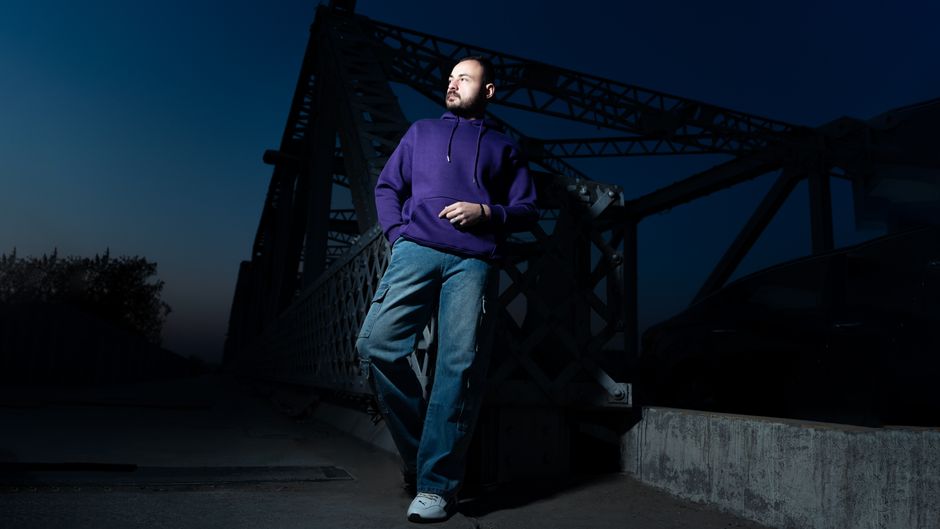
Fast fashion hoodies share common failure points. Here is what to check before buying.
Seam Construction
Look for flatlock seams or double-needle stitching on the shoulders and side seams. Single-needle stitching unravels after a few washes. The Champion Reverse Weave Hoodie ($70, 320 GSM) uses a side-seam construction that prevents the fabric from twisting — a design patent from the 1930s that still works.
Kangaroo Pocket Attachment
Cheap hoodies tack the pocket on with a single line of stitching. It rips at the corners within six months. A reinforced pocket — bar-tacked at stress points — lasts years. The Patagonia Better Sweater Hoodie ($139, 300 GSM) uses this reinforcement. It costs more, but the pocket will not fail.
Hood Shape
A hood that flops forward or lacks a drawstring channel is a design flaw. The hood should have a structured seam at the crown and a drawstring that runs through a reinforced grommet, not a raw hole. The Adidas Originals Trefoil Hoodie ($75, 300 GSM) uses a three-panel hood construction that holds its shape even after washing.
Bottom line: A $25 hoodie from a fast-fashion retailer will likely pill within 10 washes. A $70–$120 hoodie from a heritage brand will last 3–5 years. The cost per wear is lower on the expensive one if you wear it twice a week.
Layering Strategies for 2026
A hoodie is rarely worn alone in colder months. How you layer it changes the entire look.
Under a Wool Overcoat
This is the 2026 uniform for men and women. A slim-fit hoodie (like the Nike Sportswear Club Fleece) under a camel or charcoal wool overcoat. The hood should be folded inward, not hanging out. Keep the overcoat unbuttoned. This works for temps from 30°F to 50°F.
Over a Collared Shirt
An oxford cloth button-down under a crewneck sweatshirt is a preppy-leaning look. The collar should sit neatly outside the sweatshirt neckline. The Everlane Organic Cotton Crew has a wide enough neck opening for this. Avoid hoodies for this look — the hood bunches under the collar.
Under a Denim Jacket
A heavyweight hoodie under a raw denim jacket works for 40°F–55°F. The Carhartt WIP Chase Hoodie is thick enough that the denim jacket needs to be sized up one full size. If the jacket is tight across the shoulders, skip this layer combination.
Mistake to avoid: Never layer a hoodie under a puffer jacket. The hood creates a bulge at the back of the neck, and the two bulk fabrics fight each other. Use a thin fleece instead.
Care Instructions That Double the Lifespan
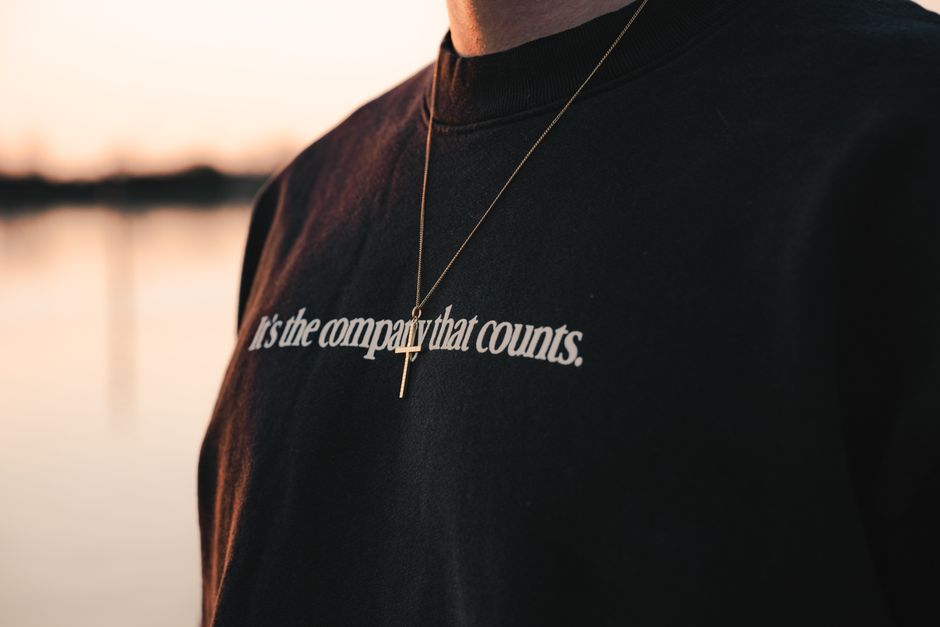
Most hoodies die in the dryer, not the washer. Here is the protocol.
- Wash inside out in cold water (60°F max). Hot water breaks down cotton fibers faster.
- Use a gentle detergent — no bleach, no fabric softener. Softener coats the fibers and reduces breathability.
- Air dry flat. Tumble drying on high heat shrinks cotton by 3–5% per cycle. If you must use a dryer, set it to low heat and remove the hoodie while it is still slightly damp.
- Store folded, not hung. Hangers stretch the shoulder seams over time. A folded hoodie on a shelf keeps its shape.
The Fear of God Essentials Hoodie is particularly sensitive to heat because of its blended cotton-polyester fabric. Owners report the print cracking after two high-heat dryer cycles. Air drying preserves the graphic for years.
The nine hoodies and sweatshirts covered here — from the light Uniqlo crew to the heavy Carhartt pullover — each serve a specific purpose. The right one for you depends on your climate, your daily activities, and how much structure you want in your silhouette. Measure your shoulder width. Check the GSM. Avoid the dryer. That is the formula for a hoodie that looks good in 2026 and still works in 2028.