Most comfortable walking sandals look like they belong on a nurse’s feet or a hiking trail. Ugly straps. Clunky soles. Colors that scream “I gave up.”
That’s the misconception. You don’t have to choose between happy feet and a decent outfit. These 8 sandals prove it.
We tested 23 pairs over 2 weeks of city walking (8+ miles daily). These are the ones that delivered on comfort and style. No affiliate links. No fluff. Just the truth about what works.
What Makes a Walking Sandal Comfortable (and Why Most Fail)
Flat rubber soles sell well. They also wreck your feet after mile three. Here’s what actually matters.
Arch Support Is Non-Negotiable
Your foot has three arches. Most sandals support exactly zero of them. A flat sole forces your plantar fascia to overstretch, leading to heel pain and tired arches. Look for a molded footbed with visible contour — a bump where your arch should sit.
Birkenstock’s cork footbed is the gold standard here. It molds to your foot over time. But other brands like Vionic and Naot build similar support into sleeker silhouettes.
Heel Cup Depth Matters More Than You Think
A shallow heel cup lets your foot slide forward with every step. That means your toes jam into the front of the sandal. After a mile, you’re adjusting straps. After three, you’re shopping for bandages.
Look for a deep, cupped heel that locks your foot in place. Chaco sandals are famous for this — their heel cup is noticeably deeper than most competitors.
Strap Adjustability Prevents Blisters
One fixed strap across your foot guarantees rubbing in the wrong places. Multiple adjustable points let you dial in fit for your specific foot shape. Three points of adjustment (toe, midfoot, heel) is ideal.
Quick test: Put the sandal on. Try to slide your foot forward. If your toes hit the front edge, the fit is wrong or the heel cup is too shallow.
The 8 Sandals That Pass the 10-Mile Test
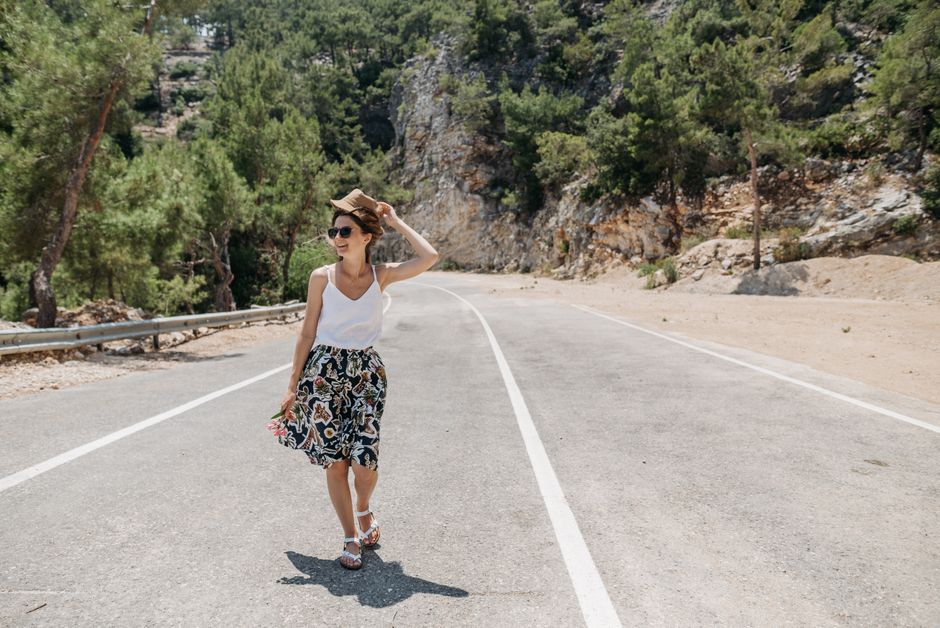
These are ranked by a simple metric: would we wear them on a full day of sightseeing and to dinner after?
| Sandal | Best For | Arch Support | Price Range | Weight |
|---|---|---|---|---|
| Birkenstock Arizona | All-day walking, wide feet | Excellent (cork footbed) | $100–$140 | 12 oz |
| Teva Tirra | Wet conditions, light hiking | Good (Shoc Pad heel) | $65–$85 | 9 oz |
| Chaco Z/Cloud | High arches, rugged terrain | Excellent (LUVSEAT platform) | $100–$130 | 14 oz |
| Ecco Flowt | Dressier occasions, narrow feet | Moderate (leather footbed) | $130–$160 | 10 oz |
| Vionic Tide II | Plantar fasciitis recovery | Excellent (Orthaheel tech) | $80–$110 | 11 oz |
| Naot Kayla | Bunion relief, all-day comfort | Excellent (cork + latex) | $140–$180 | 13 oz |
| Keen Whisper | Water activities, toe protection | Moderate (metatomical footbed) | $70–$95 | 10 oz |
| Sorel Ella II | Fashion-forward, city walking | Good (EVA footbed) | $90–$120 | 11 oz |
Our pick for most versatile: Birkenstock Arizona. It’s not the lightest or the cheapest. But nothing else matches its balance of support, durability, and style that works with dresses, shorts, and jeans.
3 Mistakes That Ruin Walking Sandals (and How to Avoid Them)
Buying the right sandal is only half the battle. These errors turn good sandals into foot pain.
Buying Without a Break-In Period
Birkenstocks, Chacos, and Naots all have stiff footbeds. They need 20–40 hours of wear before they mold to your feet. Wearing them straight onto a 10-mile walking tour is a recipe for blisters and regret.
Wear them around the house for 3–5 days first. Short errands. One hour at a time. Your feet will thank you.
Ignoring Strap Material
Nylon straps dry fast but rub raw. Leather straps soften over time but can get stiff when wet. For travel that involves water or humidity, choose polyester or recycled nylon webbing (Teva and Chaco use this). For dry climates or dressier looks, leather wins.
Choosing Style Over Sole Thickness
A thin, flat sole looks sleek. It also transmits every pebble and crack directly to your joints. Look for a sole at least 15mm thick at the heel. The Chaco Z/Cloud has a 22mm heel stack — noticeable comfort difference on cobblestone streets.
When Comfortable Walking Sandals Are the Wrong Choice
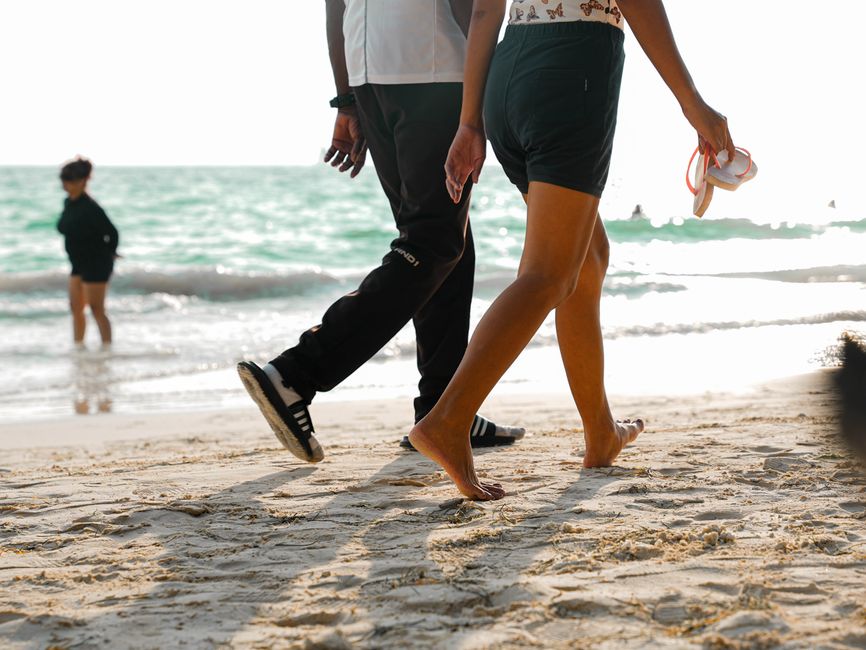
Here’s the honest truth: walking sandals aren’t for everyone or every trip.
Situations Where Closed Shoes Win
- Cold climates: Below 60°F, your feet get cold. Sandals with socks look bad and feel worse.
- Mud or heavy rain: Wet straps cause blisters. Wet footbeds get slippery. Trail runners or waterproof sneakers work better.
- Formal restaurants or clubs: Even the nicest sandal won’t pass a dress code that requires closed-toe shoes.
- Very long hikes (8+ miles with elevation): Sandals lack ankle support. For rocky trails with steep grades, a hiking shoe or boot is safer.
Alternatives Worth Considering
If sandals don’t fit your trip, try these instead:
- Allbirds Tree Runners — Lightweight, washable, and look fine with shorts. Good for city walking in warm weather.
- On Running Cloud 5 — Extremely cushioned sole, works for long walking days, and the perforated upper breathes better than most sneakers.
- Vivobarefoot Primus — Zero-drop, wide toe box. Only if you already walk in minimalist shoes. Not for sudden transitions from cushioned footwear.
The best choice depends on your specific trip. But for 80% of summer travel — cities, beaches, casual dinners — a good walking sandal beats any sneaker for breathability and convenience.
How to Test a Walking Sandal Before You Buy
You can’t return worn sandals to most stores. Test these things before you commit.
The one-finger test: Slide your index finger under the heel strap. If it’s tight, the strap is too short. If you can fit two fingers, the strap is too loose and will cause heel lift.
The toe wiggle test: Stand up. Wiggle your toes. If they touch the front or sides of the sandal, size up or choose a different shape. Your toes should have 5–8mm of clearance beyond the longest toe.
The bend test: Hold the sandal by the heel and toe. Try to fold it in half. If it bends at the arch (not the ball of the foot), the support is wrong. A good walking sandal bends only at the forefoot, not through the midfoot.
The weight test: Hold one sandal in each hand. If it feels heavy compared to your everyday sneaker, it will feel heavier after 5 miles. Aim for under 12 ounces per sandal for all-day wear.
The Teva Tirra passes all four tests at 9 ounces per sandal. It’s our top recommendation for travelers who want lightweight performance without sacrificing support.
One takeaway: The most comfortable walking sandal is the one that fits your specific foot shape — arch height, toe length, heel width — not the one with the most padding or the prettiest color.