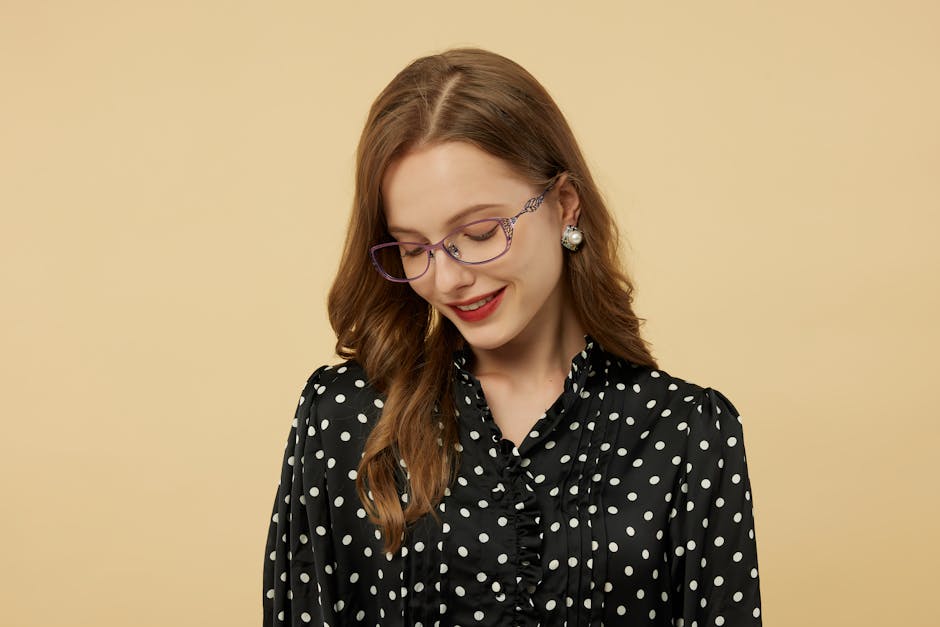
Here’s the thing nobody tells you about having an oval face: almost every frame shape “works” on paper, but most of them make you look like you tried too hard. I’ve worn glasses for fifteen years, and I’ve bought probably thirty pairs in that time. Oval faces are lucky in that we can pull off a lot of styles. But lucky doesn’t mean easy. The real skill is knowing which frames make your face look balanced instead of just “fine.”
An oval face is roughly one and a half times longer than it is wide, with a gently rounded jawline and forehead that are about the same width. The goal with glasses isn’t to correct anything — it’s to add structure where nature already gave you harmony. Too round, and you look soft. Too square, and you look severe. The sweet spot is somewhere in between.
Why Most “Universal Fit” Frames Actually Miss the Mark
Walk into any optical shop and you’ll see racks labeled “best for oval faces.” Half of them are wrong. The problem is that frame manufacturers design for the average oval face, which doesn’t account for how your specific features — cheekbone height, nose bridge width, temple length — interact with a frame’s proportions.
I’ve tried the Warby Parker Baker ($95), which gets recommended constantly. It’s a classic round wire frame. On my face, it made my jaw look narrower than it is, which threw off the whole balance. The Baker works better on longer ovals. My face is more moderate, so I needed something with a bit more horizontal presence.
Here’s what I’ve learned after years of trial and error:
- Width matters more than shape. A frame that’s too narrow makes an oval face look long. A frame that’s too wide makes it look wide. The ideal frame width should be roughly equal to the width of your face at the temples.
- Bridge fit is non-negotiable. Oval faces often have medium to high nose bridges. If the bridge sits too low, the frame slides down and you push it up constantly. If it sits too high, the lenses sit too close to your eyes.
- Temple length determines comfort. Most standard temples are 135mm to 145mm. For an oval face, 140mm is usually the sweet spot. Too short and they pinch behind your ears. Too long and they slip.
The Shape That Works for 90% of Oval Faces
If I had to recommend one frame style that flatters almost every oval face, it’s a geometric or square shape with soft corners. Think Ray-Ban Clubmaster ($150–$180) or Persol 649 ($280–$320). These frames add angularity to the natural softness of an oval face without being harsh. The key detail is that the corners are slightly rounded — not sharp. Sharp corners create too much contrast. Soft corners create structure while respecting the face’s natural curves.
The One Shape to Avoid
Oversized round frames. I know they’re trendy. I know celebrities wear them. But on an oval face, they exaggerate the length and make your face look like an egg. I bought a pair of Oliver Peoples O’Malley ($350) thinking I’d look effortlessly cool. I looked like a confused owl. The roundness mirrored the roundness of my face, creating zero contrast. You want contrast, not mirroring.
How Frame Material Changes the Look
Most style guides talk about shape but ignore material. That’s a mistake. The material of your frames affects how they sit on your face, how heavy they feel, and how they reflect light. For oval faces, the material choice can make or break the look.
Acetate frames are thick and bold. They add visual weight. On an oval face, acetate frames work best when they’re medium thickness — not ultra-thin, not chunky. A frame like the Warby Parker Watts ($145) in tortoiseshell is a solid choice. The thickness adds presence without overwhelming your features. The tortoiseshell pattern adds warmth, which complements the natural symmetry of an oval face.
Metal frames are lighter and more subtle. They work well if you want your glasses to blend in rather than stand out. The problem with thin metal frames on oval faces is that they can look like they’re floating on your face. You need a metal frame with some visual heft — a double bridge or a slightly thicker temple. The Ray-Ban RX5154 ($160) is a good example. The double bridge adds horizontal lines that break up the vertical length of an oval face.
Titanium frames are my personal preference for daily wear. They’re lightweight, durable, and hypoallergenic. The Silhouette Titan Minimal Art ($350–$450) is nearly invisible. That’s great if you want your face to be the focus. But if you’re using glasses as a style statement, titanium frames can feel too minimal. I wear them on days when I want my outfit to do the talking, not my glasses.
Color Considerations
Oval faces often have balanced undertones, which means you can pull off most frame colors. But there’s a nuance: dark frames (black, dark tortoiseshell) create strong horizontal lines that shorten the appearance of the face. Light frames (gold, silver, clear) keep the face looking longer. If you have a shorter oval face, go with dark frames. If you have a longer oval face, go with light frames. I have a medium-length oval face, so I alternate between tortoiseshell and clear acetate depending on my mood.
The Three Frame Shapes I Actually Own and Wear
After trying dozens of frames, I’ve settled on three shapes that I rotate through. These are the ones that consistently get compliments and feel comfortable for all-day wear.
| Frame Shape | Brand & Model | Price | Why It Works |
|---|---|---|---|
| Cat-eye | Warby Parker Percey | $145 | The upward sweep adds lift to the cheekbones and balances the gentle curve of the jaw. Best for oval faces with higher cheekbones. |
| Square with soft corners | Ray-Ban Clubmaster | $150 | Adds angularity without being harsh. The browline detail draws attention upward, which flatters the natural symmetry. |
| Geometric hexagon | Oliver Peoples Gregory Peck | $380 | The six-sided shape adds visual interest without being loud. Works well for oval faces with strong jawlines. |
I don’t recommend buying all three at once. Start with one shape that matches your lifestyle. If you work in a corporate setting, the square with soft corners is the safest bet. If you want something playful, try the cat-eye. The geometric hexagon is for when you want to make a statement without screaming.
Common Mistakes I See People Make
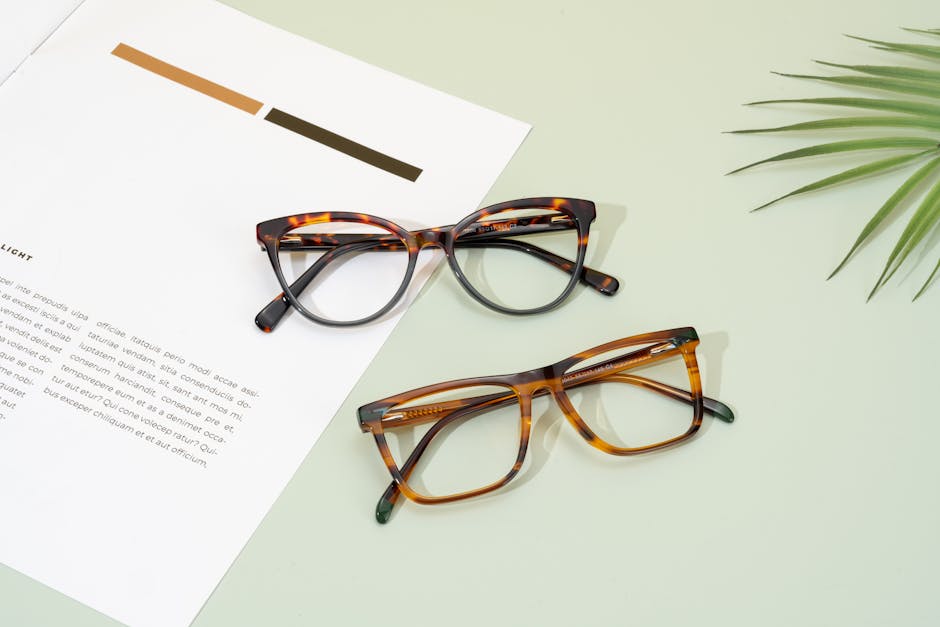
I’ve watched friends, family, and strangers pick frames that should work on paper but fail in real life. Here are the most common mistakes and how to avoid them.
Mistake 1: Picking Frames That Are Too Small
Oval faces look best when the frame width matches the face width. I see people pick frames that are too narrow because they think smaller frames look more delicate. They don’t. They make your face look wider by comparison. Always measure the frame width. It should be within 2-3mm of your face width at the temples. Most online retailers list the frame width in the product specs. Use it.
Mistake 2: Ignoring the Lens Height
Lens height is the vertical measurement of the lens. For oval faces, a lens height of 35-45mm is ideal. Too short (under 30mm) and the frames look like they’re resting on your nose. Too tall (over 50mm) and they overwhelm your face. I made this mistake with a pair of oversized square frames that had a 52mm lens height. I looked like I was wearing safety goggles.
Mistake 3: Following Trends Instead of Proportions
In 2026, everyone was wearing tiny oval frames. In 2026, it was oversized shields. Trends come and go, but your face shape stays the same. I bought a pair of tiny oval frames because they were everywhere. They made my face look like a balloon. Don’t buy frames because a celebrity wears them. Buy frames because they fit your face.
When NOT to Buy Based on Face Shape
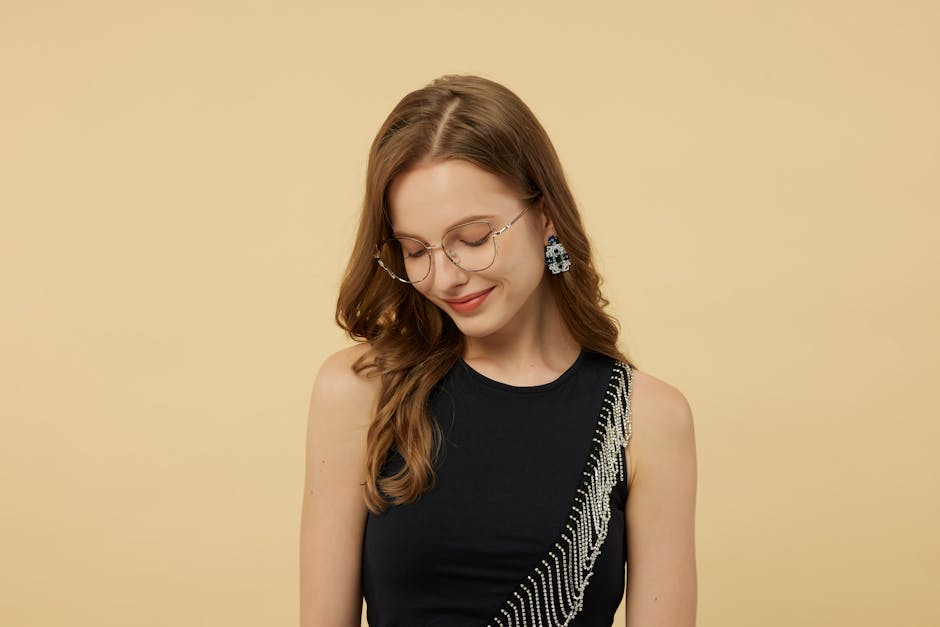
Here’s the uncomfortable truth: face shape is important, but it’s not the only factor. I’ve seen people with perfect oval faces buy frames that fit their face shape perfectly but still look terrible because they ignored other factors.
Skin tone matters more than you think. A warm-toned oval face looks best in gold, tortoiseshell, or brown frames. A cool-toned oval face looks best in silver, black, or clear frames. I have warm undertones, so tortoiseshell and gold frames make my skin look vibrant. Black frames make me look washed out.
Lifestyle should dictate material. If you work with your hands or spend time outdoors, acetate frames will scratch and warp faster than titanium or stainless steel. I learned this the hard way when my acetate frames warped after a summer of hiking. Now I wear titanium frames for active days and acetate for office days.
Prescription strength affects frame choice. If you have a strong prescription (over ±4.00), thick lenses will distort the look of thin metal frames. The edges of the lenses will bulge out, making the frames look wider than they are. For strong prescriptions, stick with thicker acetate frames that hide the lens edges. I’m at -5.00, so I avoid thin metal frames entirely.
Don’t buy frames online without trying them first. Virtual try-on tools are better than nothing, but they’re not accurate. The Warby Parker Home Try-On program ($0, 5 frames for 5 days) is the gold standard. I’ve used it three times. Every time, the frame I thought I’d love looked terrible in person, and the frame I almost skipped ended up being my favorite.
, the best glasses for your oval face are the ones that make you feel like yourself — just a slightly more polished version. Ignore the trends. Ignore the recommendations from people who’ve never seen your face. Measure your face, try on frames, and trust your gut. I’ve returned more frames than I’ve kept, and I don’t regret a single return.